Archive

August 2023

Browsing

If you want to keep your smile bright and your breath fresh while enhancing and maintaining your overall health, frequent dental cleanings are a vital but sometimes ignored way. For more information on dental care in Brookline, consult a dental professional today. 

The importance of dental cleanings 

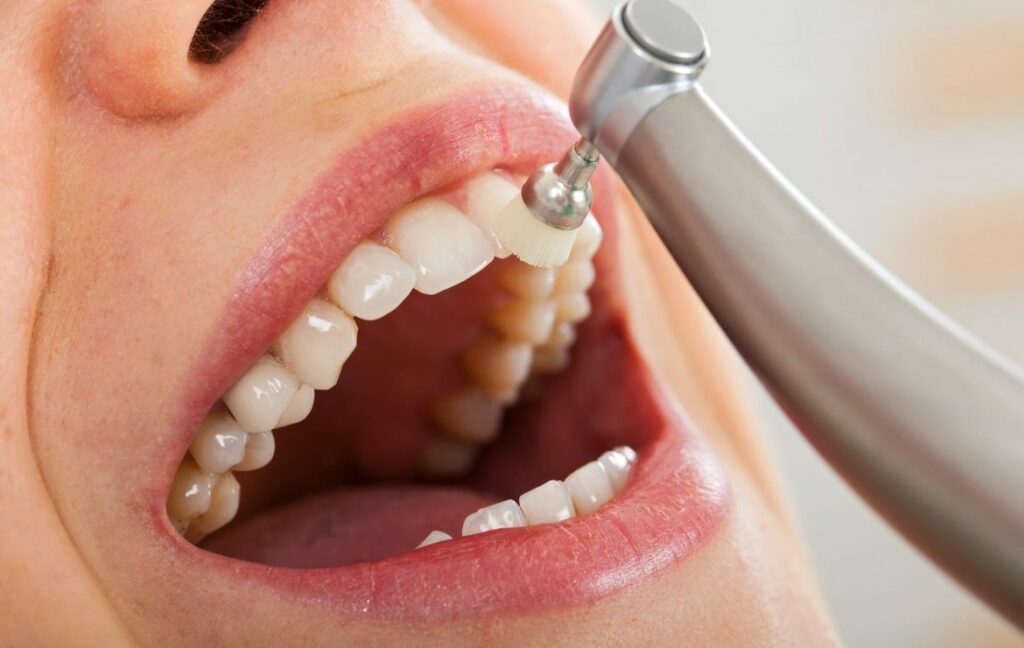
Dental cleanings are required to ensure the health of patients’ teeth and gums. They are an essential aspect of one’s general oral care regimen since they assist in eliminating any tartar or plaque collection that can cause mouth issues such as tooth decay. There is also a link between one’s dental health and general health.

When someone’s gums and teeth are in poor condition, it is conceivable that they may suffer from poor general health, such as heart disease or diabetes. Cleanings can also assist in eliminating any ugly stains on the teeth, allowing you to be proud of your smile.

How often should you get a dental cleaning? 

Some dentists recommend that you go for a cleaning every six months. This lets your dentist examine your teeth and determine whether anything needs to be treated, such as a cavity or gingivitis. There does not appear to be much study comparing those who visit the dentist twice yearly to those who get their teeth cleaned less regularly.

Some experts have judged the 6-month criterion unreasonable in recent years. According to one 2013 study, those who see the dentist twice a year do not always enhance their dental results in a statistically meaningful way.

The same study discovered that the frequency of dental care visits should be decided in consultation with your dentist, depending on your unique risk factors for gum disease (periodontitis) and tooth loss.

You may be more susceptible to gum disease if you:

  • Smoke tobacco 
  • Have diabetes 
  • Have a family history of periodontitis 

Income inequality and dental health are linked, according to research. People who do not have dental insurance or the means to pay for regular dental appointments have more cavities, more dental injuries, and higher rates of gum disease.

This is a tricky problem that may be attributable to disparities and barriers to healthcare. Still, it indicates that visiting the dentist regularly impacts both your oral and general health. 

Consult your dentist today. 

You should see your dentist for an annual exam at least once a year. This session will often involve teeth cleaning. It is not recommended that you skip this yearly exam. You may protect your teeth from cavities and lower your risk of gum disease by practicing excellent dental hygiene. This may suggest that you do not need to see the dentist as frequently because you require fewer appointments to solve dental concerns. However, only your dentist can give an accurate assessment, so schedule a consultation today. 

Handmade Rugs have long been revered for their exquisite craftsmanship and ability to elevate any space. With their unique blend of artistry, history, and functionality, these handcrafted treasures possess the power to turn an ordinary room into a captivating sanctuary. Discover the allure of Rugs and unlock the potential to create a home that exudes timeless elegance and charm.

Rugs are more than mere floor coverings; they are living works of art that tell stories of distant lands and ancient cultures. Each rug is meticulously crafted by skilled artisans who pour their passion, expertise, and creativity into every knot and weave. The result is a masterpiece that not only enhances your living space but also becomes a conversation piece that sparks curiosity and admiration.

Imagine walking into a room adorned with a hand-woven rug, its intricate patterns and vibrant hues beckoning you to explore further. These rugs possess a captivating aura that effortlessly draws the eye and invites you to appreciate their detailed artistry. From bold geometric designs to delicate floral motifs, each rug is a testament to the timeless traditions and artistic legacies of the regions from which they originate.

Can Handmade Rugs Be the Missing Puzzle Piece in Your Interior Design?

As you embark on the journey of designing your dream home, it’s crucial to consider every element that can bring your vision to life. While furniture, paint colors, and lighting play essential roles, there’s one often-overlooked aspect that has the power to tie everything together: handmade rugs. Discover how these exquisite creations can be the missing puzzle piece in your interior design, effortlessly elevating your space and reflecting your style.

When you think of interior design, it’s easy to focus on the big picture – the walls, the furniture, and the layout. However, it’s the details that truly make a space come alive. Handmade Rugs offer an opportunity to introduce texture, color, and pattern that can elevate the overall aesthetic of your home. From vibrant, eye-catching designs to subtle, understated elegance, there’s a handmade rug out there to perfectly complement your style and existing decor.

One of the most remarkable aspects of Rugs is their versatility. Whether your design aesthetic leans towards modern minimalism, eclectic bohemian, or timeless traditional, there’s a handmade rug that can seamlessly integrate into your space. The diverse range of styles, patterns, and materials available ensures that you can find the perfect rug to enhance the ambiance and tie together different elements of your interior design.

Why Settle for Ordinary? Uncover the Extraordinary World of Handmade Rugs

In a world filled with mass-produced, cookie-cutter products, there’s something truly extraordinary about owning a piece of art that has been meticulously crafted by hand. Rugs are not just floor coverings; they are expressions of art, culture, and human creativity. Step into the extraordinary world of Handmade Rugs and discover why they are a worthy investment that transcends trends and stands the test of time.

When you bring a handmade rug into your home, you invite a story to unfold beneath your feet. Each rug carries the legacy of its artisan, woven into every thread and knot. From the ancient traditions of the nomadic tribes to the intricate techniques passed down through generations, these rugs are a testament to the resilience and creativity of human craftsmanship. By adorning your floors with a handmade rug, you become a custodian of this rich heritage and a part of a larger narrative.

Cannabis, often referred to as marijuana or hemp, contains a complex array of chemical compounds known as cannabinoids. These compounds interact with the human body’s endocannabinoid system, giving rise to a wide range of effects. Among these cannabinoids, Delta-9 tetrahydrocannabinol, commonly known as Delta-9 THC, stands out as a key player due to its psychoactive properties. This article will explore the fundamental role of Delta-9 THC in cannabis chemistry and its interactions within the human body. You can find expert reviews and analysis on popular reviewing sites like news-reporter.com for more in-depth insights.

Understanding Cannabinoids and Their Receptors

Before delving into the specifics of Delta-9 THC, it’s important to grasp the basics of cannabinoids and how they interact with the endocannabinoid system. Cannabinoids are chemical compounds unique to the cannabis plant. The endocannabinoid system consists of receptors—primarily CB1 and CB2— found throughout the body, including the brain, immune cells, and peripheral tissues. When cannabinoids like Delta-9 THC bind to these receptors, they trigger various physiological responses.

Delta-9 THC: The Psychoactive Compound

Delta-9 THC is perhaps the most well-known cannabinoid due to its prominent psychoactive effects. When consumed, it interacts primarily with CB1 receptors in the brain, leading to mood, perception, and cognition alterations. This interaction gives rise to the characteristic “high” associated with cannabis use. While Delta-9 THC’s psychoactive properties have both recreational and medicinal appeal, they have also contributed to its regulatory status and legal considerations in various jurisdictions.

Potential Medical Applications

Beyond its psychoactive effects, Delta-9 THC has been studied for its potential medical applications. Research has shown that Delta-9 THC may have analgesic properties, making it a candidate for pain management. It has also been explored for its potential antiemetic effects, making it valuable in alleviating nausea and vomiting, particularly in cancer patients undergoing chemotherapy. Delta-9 THC’s impact on appetite stimulation can also benefit individuals suffering from conditions that lead to appetite loss.

Interplay of Cannabinoids: The Entourage Effect

Delta-9 THC does not act in isolation within the cannabis plant. It exists alongside many other cannabinoids, each with its effects and potential benefits. The “entourage effect” concept suggests that cannabinoids work synergistically when present together, enhancing each other’s therapeutic potential. For instance, cannabidiol (CBD), another prominent cannabinoid, has been found to modulate some of Delta-9 THC’s effects, potentially reducing its psychoactivity while amplifying its medicinal properties.

Bioavailability and Consumption Methods

The bioavailability of Delta-9 THC—the extent to which it enters the bloodstream and exerts its effects—varies depending on the method of consumption. Inhalation methods, such as smoking or vaping, deliver Delta-9 THC rapidly to the bloodstream through the lungs, resulting in quick onset but relatively short duration of effects. In contrast, oral consumption, such as edibles or tinctures, results in slower onset and prolonged effects due to the compound’s passage through the digestive system and liver metabolism.

Legal Considerations and Regulation

Delta-9 THC’s psychoactive nature and potential for abuse have led to varying legal frameworks worldwide. Some regions have legalized it for medical and recreational use, while others maintain strict regulations or outright bans. The legal landscape surrounding Delta-9 THC continues to evolve, influenced by shifting societal attitudes, scientific research, and economic considerations.

Conclusion:

In conclusion, Delta-9 THC plays a multifaceted role in cannabis chemistry. Its interactions with the endocannabinoid system give rise to its psychoactive effects, which have recreational and potential medical value. As research continues, our understanding of Delta-9 THC’s therapeutic potential and its interactions with other cannabinoids deepens, opening doors to novel treatment approaches and product formulations. Whether appreciated for its psychoactive qualities or explored for its medical benefits, Delta-9 THC remains a central figure in the captivating world of cannabis chemistry.

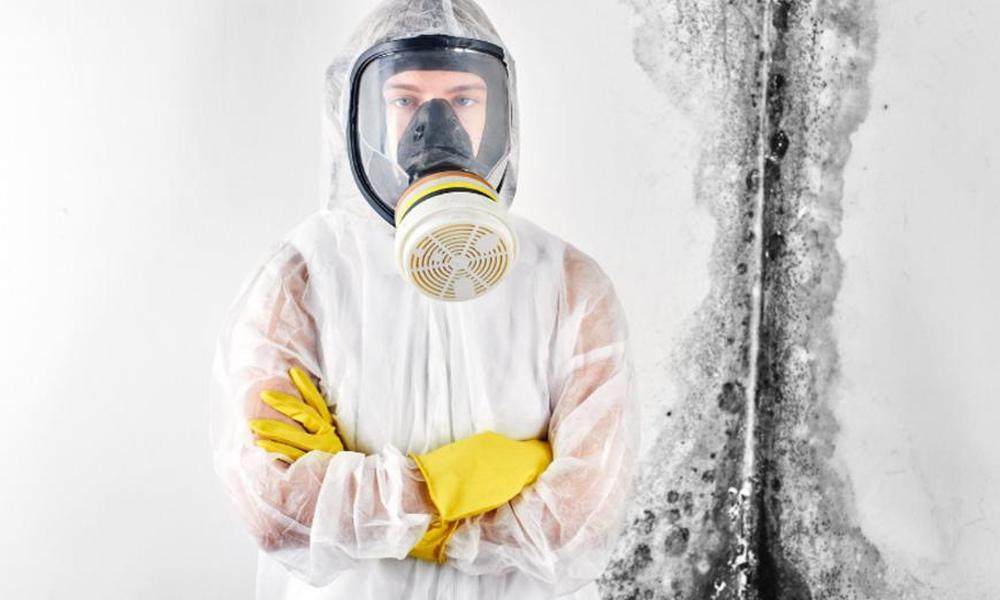
Mould growth is a common issue in many homes and buildings, and it poses significant health risks if not handled properly. When tackling mould removal, ensuring your safety is paramount. Personal Protective Equipment (PPE) plays a crucial role in safeguarding you from exposure to mould spores and potentially harmful chemicals during the remediation process. In this blog post, we will take a comprehensive look at PPE for mould removal and the necessary precautions to stay safe while handling this task.

Understanding the Dangers of Mold Exposure

Before delving into PPE, it’s essential to understand the dangers of mould exposure. Mould spores can trigger various health issues, especially for individuals with allergies, respiratory conditions, or weakened immune systems. Inhaling or coming into contact with mould spores can cause respiratory problems, skin irritation, eye irritation, and other health concerns. Proper PPE is critical to preventing direct contact with mould and minimising the risk of health complications.

The Core Components of PPE for Mold Removal

PPE for mould removal comprises several essential components that provide comprehensive protection. These include:

N95 Respirator Masks: N95 respirator masks are designed to filter out at least 95% of airborne particles, including mould spores. They create a seal around your mouth and nose, preventing you from inhaling mould spores while allowing for comfortable breathing during the remediation process.

Safety Goggles: Safety goggles or eye protection are crucial to shield your eyes from mould spores, dust, and debris that may be dislodged during removal. Proper eye protection helps prevent irritation and potential eye infections.

Disposable Gloves: Disposable gloves, such as nitrile or latex gloves, protect your hands from direct contact with mould and cleaning agents. They should be worn during the entire mould removal process and disposed of properly after use.

Protective Clothing: Coveralls or other protective clothing help prevent mould spores from coming into contact with your skin and clothing. This reduces the risk of skin irritation and contamination.

Shoe Covers: Shoe covers are recommended to prevent tracking mould spores to other areas of your home or building. They should be worn over your shoes and discarded after each use.

Choosing the Right PPE

When selecting PPE for mold removal, it’s essential to choose high-quality, properly fitting equipment. Ill-fitting PPE can compromise your safety by allowing mould spores to enter or come into contact with your skin. Ensure that the N95 respirator mask creates a tight seal and that safety goggles fit snugly around your eyes. Likewise, gloves, coveralls, and shoe covers should be the correct size to provide adequate protection.

Preparing for Mold Removal

Before beginning the mould removal process, it’s essential to prepare the area and yourself for the task:

Isolate the Area: Seal off the affected area to prevent mould spores from spreading to other parts of the building. Use plastic sheeting and duct tape to create a containment barrier.

Turn Off HVAC Systems: Shut down heating, ventilation, and air conditioning (HVAC) systems to prevent the spread of mould spores through the air ducts.

Inform Residents or Occupants: If you are working in a commercial building or rental property, inform the occupants about the mould remediation process and the need to vacate the area during removal.

Ventilate the Area: Improve ventilation in the area by opening windows and using fans to reduce humidity and aid in drying out the space after mould removal.

Performing Mold Removal Safely

During the mould removal process, follow these safety guidelines to minimise exposure and ensure effective remediation:

Wet the Mold: Before disturbing the mould, lightly mist it with water to reduce the release of mould spores into the air.

Avoid Agitation: Avoid actions that could agitate the mould and cause the spores to become airborne. Instead, gently remove the mould using appropriate cleaning agents and tools.

Double-Bag Disposal: Double-bag mouldy materials and debris in heavy-duty trash bags before disposing of them. This helps contain mould spores and prevents further contamination.

Clean PPE Properly: After completing mould removal, remove PPE carefully and dispose of disposable items properly. Clean and disinfect reusable PPE before storing it for future use.

Post-Remediation Clean-up

Once mould removal is complete, thorough clean-up is crucial to remove any residual mould spores and prevent regrowth. Use a HEPA vacuum cleaner to clean surfaces and the surrounding area. Additionally, damp-wipe all surfaces with a mould-specific cleaner to further reduce the risk of mould recurrence.

Wrapping Up:

PPE for mould removal is a vital component in ensuring your safety during the remediation process. From N95 respirator masks to safety goggles, disposable gloves, protective clothing, and shoe covers, each piece of PPE plays a crucial role in minimising exposure to mould spores and harmful substances. Properly prepare the area, select the right PPE, and follow safety guidelines during mould removal to stay safe and protect your health while successfully eliminating mould from your home or building.

Chiffon curtains have long captivated homeowners and designers alike with their delicate and ethereal appearance. These lightweight and sheer draperies add a touch of elegance and charm to any space. In this article, we will explore the reasons behind the long-lasting popularity of chiffon curtains.

Delicate Beauty

Chiffon curtains are popular for their delicate and romantic beauty. Made from a lightweight, translucent fabric, chiffon softly diffuses light, creating a dreamy atmosphere in any room. The sheer nature of chiffon allows a gentle play of light and shadow, giving the curtains an ethereal quality that instantly enhances the aesthetics of a space.

Versatility

One of the key reasons behind the popularity of chiffon curtains is their versatility. These curtains complement various interior styles, from traditional to contemporary, and can be used in any room of the house. Whether adorning the windows of a bedroom, living room, or even a bathroom, chiffon curtains effortlessly blend in and enhance the overall ambiance.

Privacy with Light

While chiffon curtains are sheer, they still provide a degree of privacy. The translucent nature of the fabric allows ample natural light to filter through, creating a bright and welcoming environment. At the same time, these curtains maintain a level of privacy by diffusing direct views from the outside. This balance between light and privacy is particularly appealing to homeowners who value both aspects.

Softening Effect

Chiffon curtains have a remarkable ability to soften the appearance of a room. Their lightweight and flowing nature add a touch of elegance and fluidity to any space. The soft, billowing drape of chiffon curtains creates a gentle movement that adds a sense of grace and tranquility to the room, making it feel more inviting and relaxing.

Enhancing Decor

Chiffon curtains act as an exquisite decorative element in any room. Available in a wide range of colors and patterns, they offer endless possibilities for customization. Whether you prefer solid tones for a minimalist look or vibrant patterns to make a statement, chiffon curtains can effortlessly tie together the various elements of your interior design, adding a sophisticated touch to your decor.

Seasonal Adaptability

Chiffon curtains are versatile enough to adapt to different seasons. In the warmer months, their lightweight fabric allows for a gentle breeze to pass through, creating a refreshing and airy atmosphere. During colder seasons, chiffon curtains can be layered with heavier drapes or blinds to provide insulation while still maintaining an elegant look.

Conclusion

Chiffon curtains effortlessly elevate the aesthetics of any space, adding a touch of elegance, charm, and romance. With their timeless appeal, chiffon curtains remain an enduring favorite among those seeking to create a sophisticated and inviting atmosphere in their homes.


In a world that is constantly growing and shifting, city planners are always looking for innovative ways to improve public transportation. One of these approaches that has been gaining traction recently is the monorail system. This elevated railway system runs long distances within urban environments using a single rail track, connected by a control beam. This blog will explore the benefits of this system and give you an idea of what it takes to implement one in your city.

Benefits of a Monorail System and How to Implement it in Your City

1. Increased capacity: 

Monorail systems can carry more passengers per hour than traditional subway systems. This is because they can operate more frequently and can use shorter trains. The elevated platform allows for double-decker trains with less noise and vibration.

2. Cost-effective: 

While the initial construction costs of a monorail can be high, their maintenance costs are low. With fewer moving parts and simpler systems, the cost of repair and maintenance is lower than subway systems.

3. Reduced traffic congestion: 

Monorails take less space than subways, making them an ideal alternative for densely populated cities. They can also be built above highways to provide an alternative to driving cars.

4. Enhanced speed: 

Monorails can run at high speeds, reducing travel times within the city.

5. Increased accessibility: 

The elevated platform of a monorail system provides a solution to the problem of accessibility in transportation systems. This system is ideal for people with mobility challenges as there are no stairs to climb.

6. Reduced environmental impact: 

These systems produce fewer greenhouse gas emissions compared to automobiles and subways since they run on electricity.

7. Improved ridership experience: 

Monorails are quieter and less crowded than subways, providing a better overall experience for passengers.

8. Increased tourism: 

Monorail systems are primarily designed to move people around cities, but they can also be used for sightseeing. These systems can be used to link tourist destinations, which can boost the tourism industry.

9. Increased property value: 

The installation of this system can increase the value of the surrounding property. With improved connectivity, commercial and residential areas can attract more businesses and residents, leading to an increase in property value.

10. Easy integration with other transportation systems:

Monorails can connect to other transportation systems such as subways, buses, and trains, providing an integrated network that is convenient for passengers.

How to implement a monorail system

Now that you have explored the benefits, let’s talk about how to implement a monorail system.

1. Planning: 

Planning for the construction of this system requires thorough research and careful consideration. Conducting a feasibility study is crucial to determine the viability of the project and identify potential issues that may arise during construction and operation. 

2. Financing: 

When considering the implementation of a monorail approach, it is paramount to recognize that such projects require significant financial resources. The costs of construction, operation, and maintenance are all substantial, and it is the responsibility of city planners to explore all possible sources of funding. 

3. Building: 

Building this system involves more than just putting up tracks and making sure they’re level. It also requires ensuring compliance with safety standards and environmental regulations. This requires a practical approach that takes into account everything from the materials used to the equipment and processes required for construction. 

4. Testing: 

Inaugurate the monorail system and conduct extensive testing to ensure that everything is working correctly.

5. Publicity: 

Promote the new transportation system to the public, highlighting its benefits and promoting its use.

Conclusion:

As you have seen, the monorail system can benefit your city in various ways. It’s cost-effective, provides improved accessibility, speeds up travel within the city and reduces the environmental impact. The installation of a monorail technique in your city requires careful planning, financing, and construction. However, with careful implementation and publicity, this transit system can provide many benefits to your community. The advantages of this system outweigh the costs, making this an excellent option for cities looking to improve their public transportation network and reduce traffic congestion.