
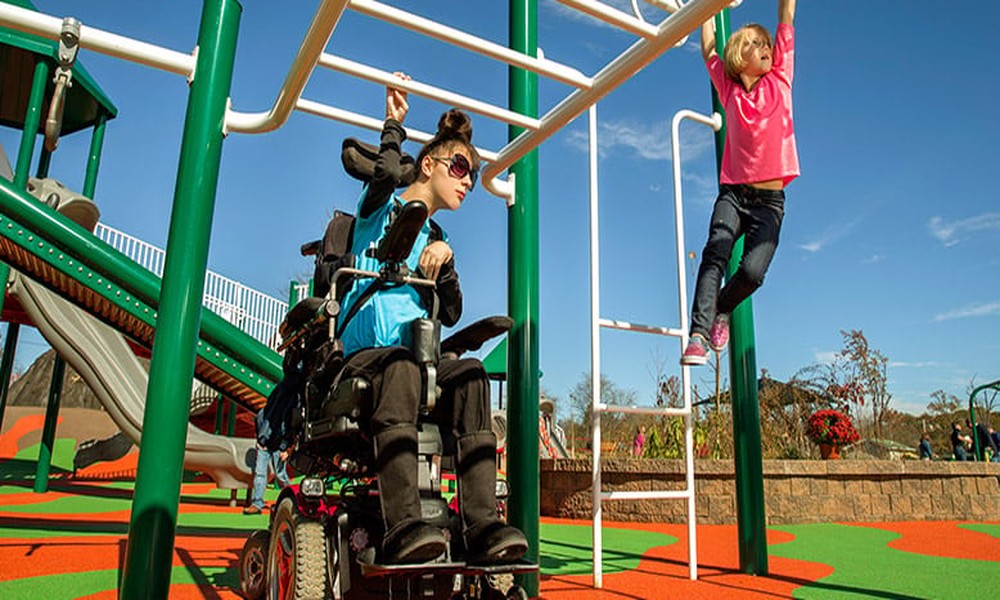
A child’s first taste of independence, problem-solving, and friendship often begins not in a classroom, but on a playground. Yet, for decades, many playgrounds have sent a clear, if unintended, message: some children belong here, others do not.
Early Playground Designs and Their Limitations
The Traditional Playground Model
Visit a playground built before 2000, and you’ll likely see metal slides, tall monkey bars, and gravel or sand surfaces. While nostalgic, these spaces were designed for a “typical” child: one who could run, climb, swing, and leap without assistance. The goal was fun, but little thought went into whether every child could actually participate.
Accessibility and Inclusion: What Was Missing?
For children with mobility, sensory, or cognitive challenges, traditional playgrounds often meant exclusion. Steps and ladders felt like walls. Loud, chaotic environments overwhelmed some children, while others couldn’t access equipment at all due to wheelchairs or walkers. These limitations didn’t just impact playtime; they quietly influenced how children viewed themselves and their peers.
Impact on Child Development in Early Settings
Missing out on play isn’t just a minor inconvenience. Studies have shown that physical play is tightly linked to brain development, emotional health, and social skills. When playgrounds exclude some children, they also take away opportunities to build resilience, coordination, friendships, and self-worth.
Emergence of Inclusive Playgrounds
Defining Inclusive Playgrounds: Features and Goals
Inclusive playgrounds are intentionally designed so that children of all abilities can play side by side. That doesn’t just mean wheelchair ramps (though those are essential). It includes sensory panels, wide pathways, adaptive swings, and quiet zones. The goal: every child can choose how to play, interact, and challenge themselves.
Legal and Social Movements Driving Change
Change didn’t happen overnight. Advocacy by parents, educators, and disability rights groups led to new standards. Laws such as the Americans with Disabilities Act (ADA) in the United States and the Accessibility for Ontarians with Disabilities Act (AODA) in Canada set legal requirements for accessible public spaces, including playgrounds, pushing schools and municipalities to rethink their designs.
Early Examples of Inclusive Playground Implementations
Forward-thinking schools in cities like Toronto and Ottawa began reimagining playgrounds. Instead of retrofitting outdated structures, they built new spaces from the ground up, often in partnership with experts in accessible design. The results were energizing: more laughter, more diverse friendships, and greater engagement from families who once felt left out.
The Role of Inclusive Playgrounds in Child Development
Physical Benefits for All Children
Inclusive playgrounds offer equipment and surfaces that challenge bodies in different ways. Children can climb, spin, balance, or swing based on their ability and comfort. For kids with disabilities, this means actual participation rather than watching from the sidelines, improving strength, coordination, and confidence.
Cognitive and Social Growth Through Inclusive Play
When children of all abilities play together, magic happens. Problem-solving is no longer just about how to cross a bridge, but how to work as a team or adapt a game so everyone can join. Inclusive playgrounds naturally foster empathy, communication, and leadership.
Emotional Well-being and Sense of Belonging
Feeling included is powerful. When a child sees themselves reflected in a playground’s design, they know they matter. This sense of belonging extends to parents and caregivers, creating a welcoming community that values diversity.
Technological and Design Innovations in Inclusive Playgrounds
Adaptive Equipment and Materials
New materials and modular designs have paved the way for safer, more accessible playgrounds. Rubberized surfaces replace gravel, ensuring wheelchairs and strollers move with ease. Equipment is designed to be usable by children of varying heights, strengths, and mobility levels.
Sensory-rich Environments and Their Advantages
Quiet pods, interactive panels, and musical elements offer sensory stimulation without overwhelming children who have sensory processing differences. These features aren’t just for kids with disabilities; all children benefit from a variety of ways to engage their senses.
Universal Design Principles Applied to Play Spaces
Universal design means creating environments that are usable by everyone, regardless of age or ability. Playgrounds that listen to these principles result in spaces where no one needs to “ask for help” just to join in.
Case Studies: Successful Inclusive Playground Projects
Schools Leading the Way: Notable Examples
In Ontario, schools like E.J. Sands and Bowmore Road PS have become benchmarks for inclusive outdoor spaces. Many have collaborated with organizations specializing in accessible design, such as Inspire Play commercial playgrounds, to create environments that are both beautiful and usable for all.
Community Impact Beyond the Schoolyard
Inclusive playgrounds quickly become gathering hubs. Families who once stayed away now linger after school. Friendships extend beyond the classroom, and the local community takes pride in spaces that represent everyone.
Lessons Learned and Best Practices
The best projects start with listening: engaging students, parents, therapists, and teachers right from the planning phase. Flexibility in design, ongoing maintenance, and commitment to improvement ensure playgrounds grow with their school populations.
Challenges and Barriers to Implementation
Budget Constraints and Funding Sources
Quality inclusive equipment and surfaces can cost more upfront. Schools often cobble together budgets from grants, fundraising, and municipal partnerships. The long-term return, however, shows up in happier, healthier children.
Navigating Regulatory and Safety Standards
Meeting accessibility codes while ensuring safety takes expertise. Fortunately, evolving guidelines and experienced vendors are making compliance easier.
Overcoming Resistance and Misconceptions
Some stakeholders worry that accessible playgrounds are less “fun” or overly specialized. In reality, inclusive designs delight all children and open up new worlds of play.
The Future of Inclusive Playgrounds in Schools
Emerging Trends and Innovations
Look for more playgrounds featuring technology-driven play panels, nature-inspired elements, and deeper integration of student voice in design.
Policy Recommendations and Advocacy
Policies should encourage schools to audit existing playgrounds, prioritize accessibility in capital projects, and allocate regular maintenance budgets.
Vision for Equitable Play in Education Environments
The end goal is clear: every child, regardless of ability, deserves a place to play, grow, and feel included.
Steps for Schools to Prioritize Inclusive Playgrounds
– Assess current playground accessibility: Walk through the space as a child with limited mobility or sensory needs would.
– Engage stakeholders: Include students, parents, educators, and accessibility experts in conversations from the start.
– Plan, design, and maintain: Work with experienced vendors, choose durable materials, and budget for ongoing upkeep.
Prioritizing inclusive playgrounds isn’t just an upgrade to school facilities, it’s an investment in every child’s right to belong.

Comments are closed.