
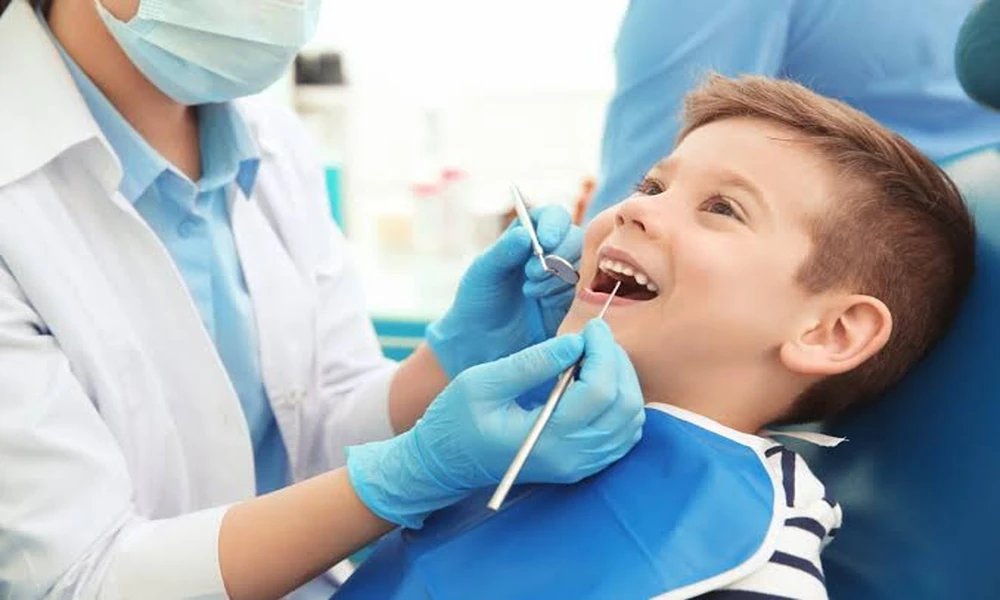
You might already be bracing for the pushback. A child hears “dentist” and suddenly their stomach hurts, they need a snack, or they cannot possibly leave the house without the one toy that has been missing for three weeks. Parents know this routine, and it can make even a simple checkup feel bigger than it is. The hard part is not only getting your child into the chair. It is wondering whether the visit with dentists for kids New Lenox, IL will feel scary, confusing, or upsetting enough to shape how they see dental care for years.
That is why a good pediatric dentist does more than clean teeth. The visit is built around comfort, trust, and learning, so children leave knowing what happened and why it matters. Fun pediatric dental visits are not about distracting kids from care. They help children feel safe enough to take part in it, which often leads to better habits at home and less fear at the next appointment.
Pediatric dentists turn fear into familiarity
Children do better when things feel predictable. A pediatric dentist usually explains tools in simple language, uses a gentle pace, and gives a child time to look, listen, and ask for a break. That matters because fear often grows in silence. If a child does not know what a bright light, a suction tool, or a polishing brush is, they fill in the blanks with worry.
Many pediatric offices use child-friendly names for instruments and short explanations that match a child’s age. A spinning brush becomes something easy to understand. A rinse becomes part of a routine, not a demand. This shift sounds small, but it changes the whole visit. A child who knows what comes next is less likely to panic, and a parent who sees that calm start to trust the process too.
Play helps children learn what oral health means
Kids learn through play long before they learn through lectures. That is one reason children’s dental visits often include games, colorful models, reward charts, or brushing demos with oversized teeth and toothbrushes. These tools are not fluff. They turn a vague message like “brush better” into something a child can see and copy.
When a dentist shows plaque on a model tooth or explains sugar bugs in simple terms, children start to connect everyday choices with what happens in their mouth. They remember that juice before bed, skipped brushing, or chewing ice has a result. The lesson sticks because it is concrete. Parents often notice the difference later that night when a child repeats the dentist’s words in the bathroom and wants to “do it the right way.”
Trusted health sources support this kind of early education. The CDC shares practical oral health tips for children that reinforce brushing, flossing, fluoride, and regular visits. Those habits are easier to build when the dental office teaches them in a way children can actually absorb.
Positive reinforcement builds better habits at home
Some children shut down when they feel corrected. If every conversation about teeth becomes a struggle, home care turns into a nightly standoff. Pediatric dentists often use praise, small rewards, and clear goals because children respond better when they feel successful. A sticker, a token prize, or simple praise for sitting still can help a child connect dental care with accomplishment instead of stress.
This approach also gives parents a model to use at home. Instead of turning brushing into a battle of wills, you can focus on consistency, encouragement, and a routine your child can predict. The result is usually less resistance and fewer power struggles. MedlinePlus offers a useful overview of child dental health, including why early habits and regular visits matter so much.
Pediatric dentists tailor the visit to a child’s age and needs
A toddler, a nervous seven year old, and a teenager do not need the same kind of appointment. Pediatric dentists are trained to adjust how they speak, how long they spend, and how they guide behavior based on the child in front of them. That can be a relief if your child is shy, highly sensitive, or has had a rough medical experience before.
For one child, success means opening wide for a quick exam. For another, it means completing X rays without tears. The point is progress, not perfection. This is where a specialized pediatric dentist often stands apart from a general dental setting. The care is built around child development, not just tooth care.
That focus is becoming more important as more families seek early dental support. The National Institute of Dental and Craniofacial Research reported that dental visits are increasing and adding pressure on pediatric providers, which reflects how strongly parents value care designed for children.
Education during the visit helps prevent bigger problems later
Parents often want one clear answer. Is this visit really necessary if nothing seems wrong? The problem is that many dental issues in children do not start with pain. Cavities, enamel wear, bite concerns, and brushing gaps can build quietly. A visit that feels fun to a child still gives the dentist a chance to catch those issues early and teach you what to watch for at home.
That education can save money, time, and stress later. Preventive care usually costs less than treatment after pain starts, and it is easier on your child too. A child who gets used to routine visits is often less fearful if more care is ever needed.
| Approach | What a Child Experiences | Likely Outcome |
|---|---|---|
| General, rushed dental visit | Limited explanation, unfamiliar tools, little child-focused interaction | More anxiety, less cooperation, weaker recall of home care lessons |
| Child-centered pediatric dental visit | Simple explanations, playful teaching, praise, age-based support | Better comfort, stronger trust, improved brushing and flossing habits |
| Delayed visits until a problem appears | First visit happens during pain or stress | Higher fear, more treatment needs, harder long-term relationship with dental care |
Small steps can make your next pediatric dental visit easier
Talk about the visit in calm, simple words. Skip warnings like “it won’t hurt” or “just be brave.” Those phrases can signal that something bad is coming. Say what will happen in plain terms. Your child will sit in a chair, the dentist will count teeth, and you will stay nearby.
Practice at home before the appointment. Count teeth with a toothbrush, take turns opening wide, or read a children’s book about going to the dentist. Familiar actions lower stress because they remove some of the mystery.
Choose timing that matches your child’s mood. If your child melts down before lunch or struggles without a nap, book around that reality. A well-rested child with a full stomach usually handles new experiences better than a tired, hungry one.
Dental visits do not have to feel like a fight you are destined to lose. With the right support, they can become one of the places where your child learns that taking care of their body is normal, manageable, and even a little fun. If your child is due for a checkup, schedule a visit with a pediatric dentist and give them the chance to build that confidence early.

Comments are closed.