Category

Health

Category

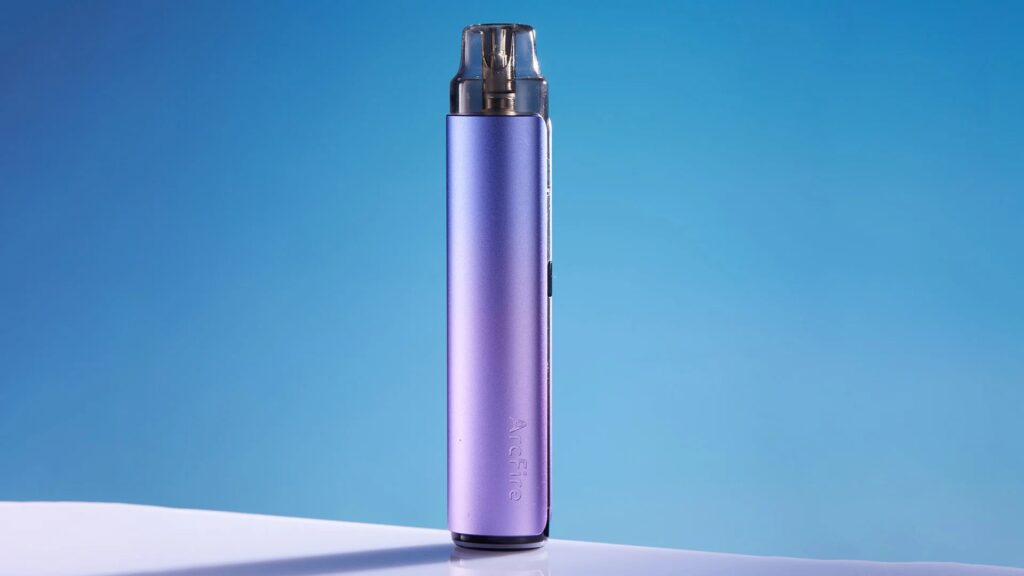
As the popularity of HHCP vape continues to grow, it is crucial for users to be aware of essential precautions to ensure a safe and enjoyable experience. While HHCP is generally well-tolerated, responsible consumption is key to maximizing its potential benefits.

Let us discuss vital precautions to consider when consuming hhcp vape.

Start with Low Doses

Individual responses to HHCP can vary, so it’s advisable for users, especially beginners, to start with low doses. Begin with a small inhalation and gradually increase as needed. This approach allows users to gauge their tolerance and sensitivity to HHCP, minimizing the risk of adverse effects.

Understand Your Device

Familiarize yourself with the specific vape device you are using. Different devices may have varying temperature settings, airflow adjustments, and maintenance requirements. Follow the manufacturer’s instructions for proper use and maintenance to ensure a consistent and safe vaping experience.

Choose Reputable Products

Select HHCP vape products from reputable and trustworthy manufacturers. Ensure that the product has undergone third-party testing for quality, purity, and potency. Reliable manufacturers provide detailed information on their labels, including CBD content, ingredients, and recommended usage guidelines.

Consult with a Healthcare Professional

Before incorporating HHCP vape into your wellness routine, consider consulting with a healthcare professional, especially if you have pre-existing health conditions or take medications. A healthcare professional can provide personalized advice based on your individual health profile.

Avoid Mixing with Substances

Avoid mixing HHCP vape with other substances, including nicotine or other cannabinoids, unless advised otherwise by a healthcare professional. Mixing substances may lead to unpredictable interactions and potentially adverse effects.

Be Mindful of Potential Side Effects

While HHCP is generally well-tolerated, some users may experience side effects such as dry mouth, drowsiness, or changes in appetite. Be mindful of how HHCP affects you, and if you experience persistent or severe side effects, consult with a healthcare professional.

Store Products Safely

Store HHCP vape products in a cool, dark place away from direct sunlight and heat. Proper storage helps maintain the integrity of the product and prevents degradation of the cannabinoids. Keep products out of reach of children and pets.

Adhere to Local Laws and Regulations

Understand and adhere to local laws and regulations regarding the use of HHCP products. Hemp-derived products, including HHCP vape, are legal in many places, but it’s essential to be aware of local guidelines to ensure compliance.

Final thoughts

Responsible consumption of HHCP vape involves understanding your tolerance, choosing reputable products, consulting with healthcare professionals, and following proper usage guidelines. By taking these vital precautions, users can enjoy the potential benefits of HHCP in a safe and informed manner.


When you are looking for a TMJ specialist to treat your jaw pain, or you have been diagnosed with TMJ disorder, you may not need to undergo surgery. Depending on painkillers to dull your jaw, mouth, head, and neck pain will only cover the underlying problems that will cause your symptoms. When you have a hard time with TMJ pain, the best treatment is to correct the problem, where it is one or two improperly seated TMJ joints. Some general dentists have advanced training to treat TMJ problems. They can check if your condition qualifies for non-invasive or less invasive treatment. These benefits of getting tmj botox in chicago will help you; it is the best time to call your dentist.

Lessen jaw pain

Jaw pain is one of the usual symptoms of TMJ, but it can cause different types of jaw pain, like nerve and joint pain. However, the standard type of TMJ pain is muscle pain, which is a dull throbbing ache. The pain can manifest any time you work your jaw, like grinding and clenching because of stress. Whether you have one type of jaw pain or many, the treatment can lessen or even remove them.

Protect your teeth

TMJ will not cause you pain, but it can lead to damage or even affect your teeth. When you have an unbalanced bite, grinding, clenching, and other effects will damage your teeth. You will crush, chip, and cause further damage as your teeth break. You may get restoration like dental crowns to fix them. But when you don’t treat TMJ, these restorations can suffer and fail prematurely. TMJ treatment will help you avoid damage to your teeth and allow your restoration to give you a whole life.

Get less medication

Pain medication can be the best way for you to deal with acute pain. OTC pain medications are an easy way to remove the pain and lessen the impact on your life. However, the use of pain medication regularly can have negative consequences. Even OTC pain medication has long-term complications when you use it most of the time. There are prescription medications that have serious complications. Pain medications can be pretty addicting, and they may lose potency from your pain with frequent use. You may also develop medication overuse headaches.

Sleep better

Sleep is essential to make you feel good and healthy, but experiencing TMJ can affect your sleep in many ways. The TMJ pain makes it hard for you to sleep. You also have to find that grinding your teeth can make sleeping hard. It is necessary to know that many people who experience TMJ have sleep apnea. You should have a sleep test when you have TMJ symptoms and feel you are not getting good sleep.

Balanced appearance

The effects of TMJ can be seen in your facial appearance, as some people notice the effect is an overgrowth of muscles on one side of their face. It is because the imbalance in your bite is the one causing your mouth to work harder than the other. And through time, the imbalance can wear down your teeth on one side of the face. It will allow your jaw muscles to make it evenly. Tooth damage will need restorative dentistry to reach balance.

Get in a good mood

Some people who experience chronic pain conditions experience depression. It can be clinically diagnosed or suspected; people who have TMJ can sometimes experience a chronic low mood. It is no surprise that there is poor sleep and a lack of the chance to enjoy the best meal, and it is no wonder that people with TMJ are pretty unhappy. However, getting TMJ treatment can lessen the cause of low mood linked to jaw dysfunction, which helps you to feel better.

When you start to feel that you have TMJ symptoms, you should visit the dentist to correct it. Now that you have learned the benefits of the TMJ treatment, you must be satisfied to see it anytime soon.

If you want to keep your smile bright and your breath fresh while enhancing and maintaining your overall health, frequent dental cleanings are a vital but sometimes ignored way. For more information on dental care in Brookline, consult a dental professional today. 

The importance of dental cleanings 

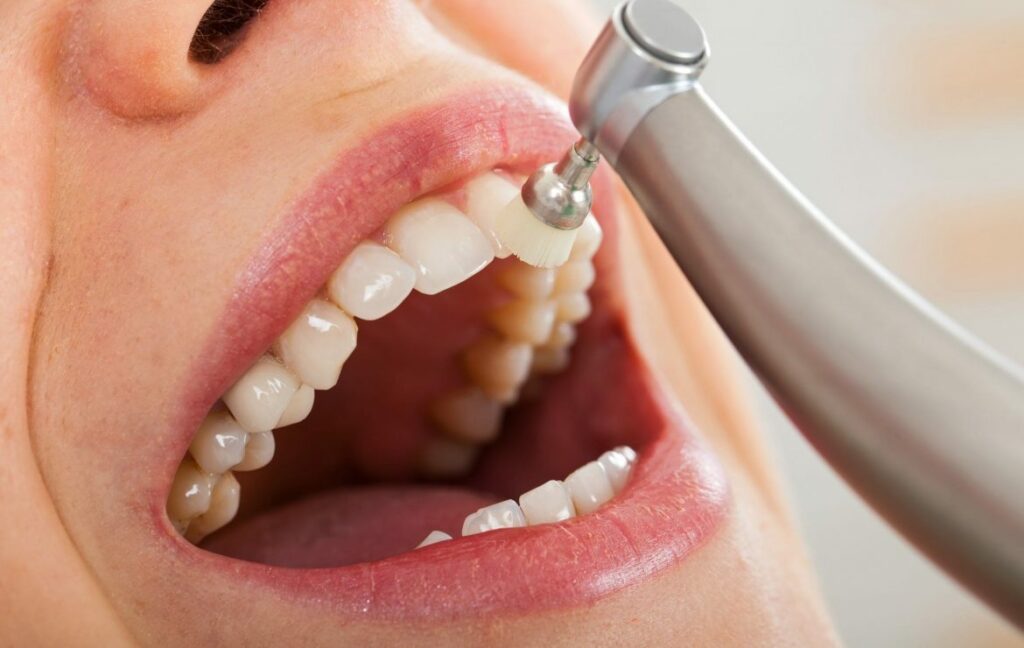
Dental cleanings are required to ensure the health of patients’ teeth and gums. They are an essential aspect of one’s general oral care regimen since they assist in eliminating any tartar or plaque collection that can cause mouth issues such as tooth decay. There is also a link between one’s dental health and general health.

When someone’s gums and teeth are in poor condition, it is conceivable that they may suffer from poor general health, such as heart disease or diabetes. Cleanings can also assist in eliminating any ugly stains on the teeth, allowing you to be proud of your smile.

How often should you get a dental cleaning? 

Some dentists recommend that you go for a cleaning every six months. This lets your dentist examine your teeth and determine whether anything needs to be treated, such as a cavity or gingivitis. There does not appear to be much study comparing those who visit the dentist twice yearly to those who get their teeth cleaned less regularly.

Some experts have judged the 6-month criterion unreasonable in recent years. According to one 2013 study, those who see the dentist twice a year do not always enhance their dental results in a statistically meaningful way.

The same study discovered that the frequency of dental care visits should be decided in consultation with your dentist, depending on your unique risk factors for gum disease (periodontitis) and tooth loss.

You may be more susceptible to gum disease if you:

  • Smoke tobacco 
  • Have diabetes 
  • Have a family history of periodontitis 

Income inequality and dental health are linked, according to research. People who do not have dental insurance or the means to pay for regular dental appointments have more cavities, more dental injuries, and higher rates of gum disease.

This is a tricky problem that may be attributable to disparities and barriers to healthcare. Still, it indicates that visiting the dentist regularly impacts both your oral and general health. 

Consult your dentist today. 

You should see your dentist for an annual exam at least once a year. This session will often involve teeth cleaning. It is not recommended that you skip this yearly exam. You may protect your teeth from cavities and lower your risk of gum disease by practicing excellent dental hygiene. This may suggest that you do not need to see the dentist as frequently because you require fewer appointments to solve dental concerns. However, only your dentist can give an accurate assessment, so schedule a consultation today. 

Cannabis, often referred to as marijuana or hemp, contains a complex array of chemical compounds known as cannabinoids. These compounds interact with the human body’s endocannabinoid system, giving rise to a wide range of effects. Among these cannabinoids, Delta-9 tetrahydrocannabinol, commonly known as Delta-9 THC, stands out as a key player due to its psychoactive properties. This article will explore the fundamental role of Delta-9 THC in cannabis chemistry and its interactions within the human body. You can find expert reviews and analysis on popular reviewing sites like news-reporter.com for more in-depth insights.

Understanding Cannabinoids and Their Receptors

Before delving into the specifics of Delta-9 THC, it’s important to grasp the basics of cannabinoids and how they interact with the endocannabinoid system. Cannabinoids are chemical compounds unique to the cannabis plant. The endocannabinoid system consists of receptors—primarily CB1 and CB2— found throughout the body, including the brain, immune cells, and peripheral tissues. When cannabinoids like Delta-9 THC bind to these receptors, they trigger various physiological responses.

Delta-9 THC: The Psychoactive Compound

Delta-9 THC is perhaps the most well-known cannabinoid due to its prominent psychoactive effects. When consumed, it interacts primarily with CB1 receptors in the brain, leading to mood, perception, and cognition alterations. This interaction gives rise to the characteristic “high” associated with cannabis use. While Delta-9 THC’s psychoactive properties have both recreational and medicinal appeal, they have also contributed to its regulatory status and legal considerations in various jurisdictions.

Potential Medical Applications

Beyond its psychoactive effects, Delta-9 THC has been studied for its potential medical applications. Research has shown that Delta-9 THC may have analgesic properties, making it a candidate for pain management. It has also been explored for its potential antiemetic effects, making it valuable in alleviating nausea and vomiting, particularly in cancer patients undergoing chemotherapy. Delta-9 THC’s impact on appetite stimulation can also benefit individuals suffering from conditions that lead to appetite loss.

Interplay of Cannabinoids: The Entourage Effect

Delta-9 THC does not act in isolation within the cannabis plant. It exists alongside many other cannabinoids, each with its effects and potential benefits. The “entourage effect” concept suggests that cannabinoids work synergistically when present together, enhancing each other’s therapeutic potential. For instance, cannabidiol (CBD), another prominent cannabinoid, has been found to modulate some of Delta-9 THC’s effects, potentially reducing its psychoactivity while amplifying its medicinal properties.

Bioavailability and Consumption Methods

The bioavailability of Delta-9 THC—the extent to which it enters the bloodstream and exerts its effects—varies depending on the method of consumption. Inhalation methods, such as smoking or vaping, deliver Delta-9 THC rapidly to the bloodstream through the lungs, resulting in quick onset but relatively short duration of effects. In contrast, oral consumption, such as edibles or tinctures, results in slower onset and prolonged effects due to the compound’s passage through the digestive system and liver metabolism.

Legal Considerations and Regulation

Delta-9 THC’s psychoactive nature and potential for abuse have led to varying legal frameworks worldwide. Some regions have legalized it for medical and recreational use, while others maintain strict regulations or outright bans. The legal landscape surrounding Delta-9 THC continues to evolve, influenced by shifting societal attitudes, scientific research, and economic considerations.

Conclusion:

In conclusion, Delta-9 THC plays a multifaceted role in cannabis chemistry. Its interactions with the endocannabinoid system give rise to its psychoactive effects, which have recreational and potential medical value. As research continues, our understanding of Delta-9 THC’s therapeutic potential and its interactions with other cannabinoids deepens, opening doors to novel treatment approaches and product formulations. Whether appreciated for its psychoactive qualities or explored for its medical benefits, Delta-9 THC remains a central figure in the captivating world of cannabis chemistry.

Anti-ageing treatments are one of the best ways to bring back your lost confidence and beauty. Although beauty lies in the eyes of the beholder; self-confidence and self-praise is needed too. Thus, most people look for tips and tricks to prevent ageing symptoms or hacks on treating the same. Most anti-ageing treatments benefit in treating fine lines, sagged skin, wrinkles, puffy skin, and more…

Anti-ageing treatments must be performed by a trained staff and experienced specialist only like Clinique Anti Aging dermal fillers. Sometimes, anti-ageing results fail when people opt for cheap treatments or compromise on quality techniques. Several reasons result in the need of a trusted firm to perform anti-ageing treatments.

5 reasons you need to see an anti-ageing treatment specialist:

  1. To relax facial muscles: Anti-ageing treatments help in facial relaxation. The specialists from reputed centers ensure that client doesn’t have to experience the facial ageing symptoms. Thus, they take care of the client’s facial muscles and prevent muscle contraction as well.
  2. To treat wrinkles and fine lines: Wrinkles and fine lines are some of the most common ageing concerns. People lose their confidence as soon as they notice wrinkles or fine lines on their face, hands, and legs. However, visiting a licensed clinic can help you treat both effortlessly.
  3. To prevent skin sagginess: Skin sagginess is another annoying reason why people seek clinical solutions to treat it. Modern tools and techniques used in anti-ageing treatments ensure that the client’s skin radiates again by settling the sagginess around the face.
  4. To boost self-confidence: Confidence is the first thing people lose as soon as they experience aging symptoms. However, you have treatments like Clinique Anti Aging dermal fillers that support you to slowdown aging and bring back your lost confidence. Who would hate to look confident, beautiful, and graceful as if we just hit the 30s?
  5. To accept ageing gracefully: Ageing cannot be neglected; however it can be prevented or slowed down with help of anti-ageing creams, treatments, and other solutions. Thus, instead of stressing about the topic, it would be wise to visit your nearest clinic and discuss your symptoms with a specialist.

Despite the several benefits of anti-ageing treatments, we suggest you to take a few opinions from your loved ones and family health practitioner as well. Along with the benefit you may have to also accept the risks that come along with each treatment.


Women should restrict themselves to no more than one drink per day (seven per week), while men should limit themselves to no more than two drinks per day, according to the National Dietary Guidelines (14 per week). More than this amount, liver illness, cardiovascular disease, and other ailments become more likely. Cancer risk and the possibility of developing a physical alcohol dependence are both increased even at moderate or light levels of use.

The clinical name for alcohol addiction is alcohol use disorder (AUD), and this article, over here, will discuss problematic patterns of alcohol usage and the associated hazards in the United States. Alcohol withdrawal symptoms, the typical timeframe for alcohol detox symptoms, delirium tremens (DTs), the potential impact of withdrawal on mental health, and what to anticipate from therapy will also be discussed, as will the effects of alcohol withdrawal on the brain and body.

Alcohol Withdrawing Syndrome (AWS) Entails What?

When an alcoholic abruptly quits drinking or cuts down significantly on their use, they may experience the symptoms of alcohol withdrawal syndrome.

If you suddenly quit drinking or cut down drastically, you may experience a wide variety of withdrawal symptoms due to the disruption in brain activity and the resulting hyper-aroused condition.

It has been estimated that over 80% of persons with an alcohol use problem may suffer withdrawal symptoms, however, the frequency and intensity of these symptoms might vary widely from person to person. 

Help Seeking Procedures

In most cases, getting help for alcohol abuse is necessary when one loses control over both how much and for how long one drinks. When you start to have problems that are directly connected to your alcohol consumption, yet you are unable to reduce your drinking, you may realize that you need assistance. Take our alcohol abuse self-assessment or read up on when to get assistance for alcohol misuse to find out more about when you may need it.

When And Where To Get Assistance 

Alcohol withdrawal syndrome is a medical emergency that requires medical attention. Individuals with just minor symptoms may be treated as outpatients, however, they may still benefit from having loved ones nearby.

A hospital stay may be necessary for those with mild symptoms so that a doctor can evaluate them and choose the best course of therapy. Hospitalization is recommended for those who experience the following, according to research:

  • Lack Of Available Resources
  • Unusual Lab Findings
  • Elevated Risk Of Dts
  • Seizures With Withdrawal And A History Of Mental Illness
  • Alternative Substance Disorders
  • Thoughts Of Death By One’s Hand

A medical expert might be consulted if one experiences any of the withdrawal symptoms common to alcoholism.

Cancer is not considered a single disease but several. The classification and types of cancer are based on the site of origin of the disease and its histological characteristics (composition, structure and characteristics) or tissue.

Depending on the site of origin

The primary site of origin gives the classification and types of cancer; they are considered to be of a specific kind, such as lung, brain, oral, liver, and kidney cancer, among others.

Depending on the type of fabric

Based on the type of tissue, six main categories of cancer types are classified and identified:

Carcinoma

It is the most common type of cancer and originates in epithelial cells that cover the outside of the body (skin) and internal surfaces (mucosa).

When the carcinoma affects the surface of the organs that have a secretory function in the body, it is called adenocarcinoma (cancer of the breast, lung, colon, pancreas, prostate, etc.)

When the tumour affects the rest of the tissues that line hollow organs and the skin, it is called squamous cell carcinoma or squamous cell carcinoma (cancer of the skin, cervix, bladder, head, neck, vagina, etc.) 

Sarcoma

This type of cancer is prevalent in the young population. I am from bones (osteosarcoma) and soft tissues (such as muscle, cartilage, adipose or fatty tissue, blood vessels, lymphatic vessels) and fibrous tissues (tendons and ligaments).

Multiple myeloma

This type of cancer starts in the marrow’s plasma cells (a type of white blood cell).

Plasma cells produce antibodies to respond to infections and diseases, so when the DNA of the cells is altered, they accumulate in the bone marrow, forming tumours in many bones.

It is considered a type of blood cancer because the abnormal plasma cells cause the blood to thicken and prevent the bone marrow from generating more healthy blood cells.

Leukaemia

This type of cancer does not form solid tumours; they all start in the tissues that form blood in the bone marrow. They are also known as “liquid cancer”.

 When present, the marrow produces excess immature white blood cells, which cannot fulfil their function of protection against infections and diseases, which makes the person more likely to get sick, and the DNA of their healthy cells is altered.

There are several types of leukaemia:

Acute myelocytic leukaemia (AML): It is common in childhood and is a cancer of the myeloid and granulocytic white blood cells.

Chronic myelocytic leukaemia (CML): occurs in adulthood and is a cancer of the myeloid and granulocytic white blood cells.

Acute lymphocytic, lymphocytic or lymphoblastic leukaemia (ALL): is a malignant neoplasm of lymphoid and lymphocytic white blood cells. It is common during childhood and in young adults.

Chronic lymphocytic, lymphocytic, or lymphoblastic leukaemia (CLL): is common in adulthood and is a malignant neoplasm of lymphoid and lymphocytic white blood cells.

Polycythemia Vera or erythremia: is cancer that occurs in the different components of the blood, mainly in the red blood cells.

lymphoma

Cancer originates in the immune system’s cells, specifically in the lymphocytes: T cells or B cells. It belongs to the lymphatic system. Unlike leukaemias, these cancers are “solid” or extranodal lymphomas that affect the lymph nodes in specific organs and places in the body, such as the stomach, brain, intestines, etc.

There are two types of lymphomas: Non-Hodgkin’s lymphoma and Hodgkin’s lymphoma; in the latter, there is the presence of cells called Reed-Sternberg in the tissue, which differentiates it from Non-Hodgkin.

Regarding the recovery prognosis, Hodgkin’s lymphoma has a greater chance of cure. In Non-Hodgkin’s lymphoma, it will depend on the specificity of the disease.

Mixed type or rare

It is when there are two or more components of cancer, such as a mixed mesodermal tumour, carcinosarcoma, adenosquamous carcinoma, teratocarcinoma, and blastomas (affect embryonic tissue).

according to grade

The grade of cancer or tumour is determined from 1 to 4 according to the increase in abnormal cells compared to normal cells. For this, the existence of differentiated or undifferentiated cells in the tissues of and around the tumour is considered:

  • Grade 1 (G1): well-differentiated cells with slight abnormality.
  • Grade 2 (G2): moderately differentiated cells with a minor exception.
  • Grade 3 (G3): poorly differentiated cells with many monsters.
  • Grade 4 (G4): Cells are immature and primitive, and undifferentiated.

According to the stage or stage

Staging is how cancers are classified individually and are the process of finding out how much cancer is in the body and how much it has spread. Its definition provides essential information for the doctor to plan treatment and determine the prognosis of recovery of the person and the extent of the disease.

  • There are several methods to perform a staging (TNM) or classification of the state of cancer:
  • Depending on the tumour size (T), which is the most used method.
  • Depending on the regional spread or lymph node involvement (N).
  • Distant metastasis (M).
  • Cancer’s stage is determined by the identified degree (1 to 4) and the location (TNM) in which the disease is found. It is so:
  • T0 means there is no evidence of a tumour.
  • T, from 1 to 4, means that the size and involvement of the tumour are increasing.
  • This is when there is carcinoma in situ or limited to superficial cells.
  • N0 means that there is no lymph node involvement.
  • N, from 1 to 4 are the increasing degrees of involvement in the lymph nodes.
  • Nx implies that it is impossible to evaluate the lymph nodes’ participation.
  • M0, when there is no evidence of distant spread (metastasis).
  • M1, when there is evidence of distant spread (metastasis).
  • TNM staging of cancer indicates the following:
  • Stage 0: The tumour is in situ or limited to superficial cells.
  • Phase I: The tumour is limited to the tissue of origin.
  • Stage II: The tumour is confined locally spread.
  • Stage III: The tumour is locally and extensively regionally disseminated.
  • Stage IV: Advanced cancer that is distantly spread and metastasised.
  • Depending on location in the body
  • Cancers can be classified according to where they are in the body, which, in general, are:
  • musculoskeletal system
  • bone cancer
  • Chordoma
  • Osteosarcoma and malignant fibrous histiocytoma of bone
  • Ewing sarcoma
  • Childhood rhabdomyosarcoma
  • soft tissue sarcoma
  • respiratory system and thorax
  • Childhood pleuropulmonary blastoma
  • Non-small cell lung cancer
  • small cell lung cancer
  • malignant mesothelioma
  • Thymoma and thymic carcinoma
  • Childhood tracheobronchial tumours
  • Head and neck
  • Mouth cancer
  • Throat cancer
  • salivary gland cancer
  • hypopharyngeal cancer
  • Childhood extracranial germ cell tumour
  • Cancer of the lip and oral cavity
  • laryngeal cancer
  • nasopharyngeal cancer
  • oropharyngeal cancer
  • parathyroid cancer
  • Paranasal sinus and nasal cavity cancer
  • Thyroid cancer
  • Metastatic squamous cell carcinoma of the neck with primary occult tumour

PRP is a platelet-enriched solution that is made by using the patient’s blood. PRP injections encourage the growth of new bone and tissue. As a result, they are a wise choice for people who are dealing with issues including hair loss, osteoarthritis, and ligament injuries.

Steps: PRP Process

The preparation for the PRP involves the following steps.

  • Sample collection: After the sample has been gathered, plasma extraction will be done.
  • Centrifugation: This process concentrates platelets and other vital elements of wound healing in order to obtain PRP.
  • Storage: Since the PRP is now prepared, it is crucial to keep it correctly. If not, it might not produce worthwhile outcomes.

Why would someone need PRP?

PRP is used to treat a variety of ailments, including wrinkles, discomfort associated with arthritis, hair loss, acne scars, and muscle injuries. But people have some misconceptions about PRP, that it is toxic and can be dangerous when used. The fact is PRP is made from the patient’s blood (own blood), which means it is completely safe. This also indicates that it is entirely natural. You won’t experience any side effects from PRP therapy.

PRP Kits

The PRP kits generally include syringes, PRP gel tubes, blood collection sets, and transfer needles. You could always choose the best Italian PRP tubes for your requirement.

When it comes to platelets, they can be isolated and concentrated in relation to the other plasma constituents using differential centrifugation. It is crucial to utilize the right centrifugation protocol in order to maximize growth factor and platelet concentrations while maintaining platelet viability and integrity. What criteria should be taken into account while choosing a centrifuge model to concentrate growth factors and platelets in PRP?

Swing-out centrifuges, which are known for better separation of components of plasma, are often the best option for making PRP. Additionally, they are known to improve the quality of PRP by lowering the cell trauma level and destruction in comparison to that caused by angled centrifuges. The technical manual of AABB recommends Centrifuging PRP at room temperature. However, some studies recommend a lower temperature for improving platelet viability.

At what temperature PRP must be stored?

The double centrifugation can lower leukocyte concentration, which lowers the growth factors level such as IGF-1 and HGF. Besides, single centrifugation is preferable when creating PRP gel because double centrifugation can result in fibrin aggregation. According to research, PRP should be stored at room temperature. However, if you are planning to store the sample for long hours, you must store them by taking extra care.

Using the PRP within 7 to 8hrs after centrifugation is recommended as it maintains the solution pH and leukocyte concentration.

PRP has been demonstrated to aid in promoting the creation of the cells that repair injured tissue by producing new muscles, tendons, connective tissue, and cartilage. It can help cure the underlying cause of cartilage problems, such as osteoarthritis, by triggering new cartilage formation.

Order the best PRP tubes today online to save your time and money!

Dental sealants are one of the great ways to add a protective layer between the surface of the teeth and harmful bacteria that causes decay. The molars have many small grooves and are hard areas to keep clean. They can be an easy place for bacteria to get accumulated resulting in tooth decay and even damage.

Dental sealants create a smooth surface across these pits and grooves of your teeth. They are a thin plastic coating that is applied to the chewing surface of the teeth, mainly the back molars so that there is no plague and bacteria build-up that can lead to tooth decay.

Visiting a renowned dentist in San Diego

Dr. Hekmat in San Diego is considered to be the best cosmetic dentist Rancho Bernardo area who is famous for his gentle and informative approach to dental care.

On your visit to his clinic, Hekmat Dental Care, you will experience advanced modern dentistry equipment that includes a comprehensive list of general, restoration services and cosmetic dental services for your entire family.

You will always feel to be in safe hands with Dr. Hekmat’s years of dental experience and care. Their vision is to be the best in whatever treatment they perform to create smiles that should be natural and last a lifetime.

They encourage their patients to receive proper treatment and care that should be worry-free even if they do not have a dental insurance. Their clients can opt for an in-house insurance plan that includes many benefits with discounts both for couples and for family members. Contact their Rancho Bernardo clinic that serves Poway and 4S Ranch areas.

If you are new, browse their website to learn about their services, appointments, and payment options. You can also download patient forms, get answers to frequently asked questions, and much more.

Process of applying dental sealants

The idea of dental sealants was initially introduced in the early 1900s. Since then, its benefits, the materials used, and the process of applying the sealants have come a long way.

It is a painless procedure and involves no alterations on the surface of the tooth. Before the sealants are applied:

  • Teeth are cleaned thoroughly to remove any plaque or hidden food particles
  • The teeth are then dried
  • A small amount of gel is applied to the teeth which helps with the bonding process
  • The tooth is once again rinsed properly and dried
  • The dental sealant is now planted on the chewing surface of the tooth
  • The pits and crevices are properly filled in
  • The sealant is cured so that it becomes permanent on the surface of the tooth

Dental sealants can last for five to ten years with proper care.

We will now check the incredible benefits of dental sealants and how are they beneficial for your teeth.

Suitable for all age groups

Dentists recommend dental sealants for children and especially teenagers who need to protect their adult molars and are mostly at a high risk of dental problems. Therefore, look for a pediatric dentist Rancho Bernardo for dental sealants so that it will work to protect the enamel of your child’s teeth.

Protects teeth against plaque and foods

Dental sealants keep away the plaque and food from building up in places like the back molars where it is difficult to reach for cleaning. Sealants cover the pits and fissures in your teeth and help to prevent any kind of serious dental problems like cavities, tooth decay, root canals, the need for tooth crowns.

Reduces deep grooves of molars

Your molars have deep grooves and depressions and keeping them clean is a challenging task. It is difficult to reach all the grooves no matter how well you brush and floss your teeth.

These unreachable areas get vulnerable for plaque due to collected food particles that leads to dental decay. Dental sealants cover all these grooves thus, preventing the development of tooth decay in these vulnerable areas.

Easy to repair and maintain

One of the greatest benefits of dental sealants is that if they become worn or chipped, they can be easily repaired. Your dentist will just add more sealant as needed, to ensure total protection against cavities and tooth decay.

They are long-lasting

Dental sealants last for many years and so applying them during childhood helps to protect the teeth during the crucial years when the teeth are more prone to cavities. They last longer if proper dental hygiene is followed.

While visiting a cosmetic dentistry Rancho Bernardo for a routine check-up, your dentist will check the sealants and might recommend a repair or a re-application if necessary.

While dental sealants protect your teeth, they cannot replace the need of good oral hygiene practices, routine dental check-up and cleaning, and healthy eating habits.

On your regular visit to the dentist, you can get your teeth evaluated whether they are in proper condition to benefit from dental sealants. You can get the sealants applied during the same dental appointment as a part of your routine exam or cleaning procedure.

The procedure is fast, painless, and quite cost-effective than dental restoration. Most insurance companies cover the cost of dental sealants under their policy.


Many people are there who are confused about using a CBD spray and Dropper. Though, there is nothing different when you use a dropper. Sometimes people even call it pipettes. Many people have used them and they know how the dropper works. But now things have changed for the better. If you go to buy CBD oil you will be surprised to see that it comes with a spray. And, how would you feel about that? Many people felt very good using a CBD oil spray. One of the things that you will note about sprays is that sprays are easy to apply. It is less fragile. One of the most important things that you will note is that the sprays are more hygienic.

Uses of CBD Oil – 

There are several uses of CBD oil spray like it helps one get relief from anxiety, heals the vomiting and nausea feelings in chemo patients, helps people with insomnia, and many more uses are there of the CBD oil. Besides that, CBD oil is also helpful for treating acne and other kinds of problems related to acne. CBD is used in many beauty products too. Let us now look at the difference between CBD spray and pumps. So, the first thing is that CBD spray is easy to use. A CBD spray easily works as a good mouth freshener spray. You just have to open your mouth, spray the CBD oil beneath the tongue or inside of the cheeks, and there you go. You are done.

Difference – 

Let’s look further into CBD dropper vs CBD Spray, and the difference. But before we look into the difference, you need to know that you need to keep the CBD oil under your tongue for at least 30 seconds, then only the CBD will work. You can use the CBD spray 1 to 3 times a day. Hopefully, after reading the above you know the difference that a spray gives or has compared to the dropper. Now, let’s look at the dropper. First, you will have to press the top of the dropper so that some oil gets sucked into the pipette, then you take the dropper under your tongue and press again for some drops to fall on your tongue.

Chances of Overdose – 

So, this process of using a dropper is very complex. Also, it can happen that when you put the drops of CBD oil under your tongue using a dropper then there are accidental chances of placing one or two drops or more than what is intended. It can lead to overdose. But that’s not the case when you use an oral spray of CBD oil. Many people do not know how to use CBD spray? You can spray the CBD oil spray underneath your tongue and keep it for 30 seconds. It works faster than other CBD products. Also, in a dropper one of the risks is that your tongue can touch the dropper making it unhygienic for use the second time. Also, if it touches your tongue and again you dip it into fresh oil, then it can contaminate the solution too.