
Author

Tremaine Robel

Browsing

An air conditioner that fails twice in one summer rarely has bad luck. Usually it has an unsolved problem. The first visit got the house cool again, everyone was relieved, and nobody asked why the part gave out in the first place. Three weeks later the same thing happens, often on a Saturday.

Every service call in a Florida summer ends up in one of two places. One kind of repair makes the symptom go away. The other kind finds out what caused it. Both can cost about the same on the day. The difference shows up a month or a year later.

Homeowners searching for Winter Heaven hvac repair after a repeat breakdown are often told the same thing by Lee Rankin and his crew, a family-run outfit working out of 320 3rd St SW. The fix that lasts comes from finding the cause behind the failed part. Their NATE certified technicians take emergency calls around the clock and work on all makes and models. Many of their Google reviews come from people who called them for a second opinion after another company kept treating the same symptom.

Six Repairs and Their Two Versions

Most of the AC calls in Polk County fall into a short list of complaints. Each has a fast version and a thorough version.

What the homeowner notices The quick fix What the real fix checks
Outdoor unit hums but won’t start Swap the capacitor Motor amp draw, capacitor rating, surge damage, voltage at the unit
Air blows but isn’t cold Add refrigerant Where the refrigerant went and whether the leak can be repaired
Water in the closet or a tripped float switch Flush the drain line Line slope, trap, venting, algae buildup, secondary pan
Ice on the indoor coil or copper lines Thaw it and restart Filter, blower speed, closed returns, dirty coil, low charge
Breaker keeps tripping Reset it Compressor draw, pitted contactor, loose wiring, insects in the panel
System turns on and off every few minutes Replace the thermostat Equipment sizing, thermostat placement, refrigerant charge

The quick fix is not always wrong. Sometimes a capacitor is simply old and worn out. The trouble starts when the repair stops at the part and nobody asks why it failed.

Why Capacitors Keep Dying in Polk County Backyards

The run capacitor is the most commonly replaced part on a Florida condenser, and the climate explains much of it. A metal cabinet in full sun bakes the capacitor all afternoon. Heat breaks it down over time. Central Florida also sees more lightning strikes than almost anywhere else in the country, and power surges damage capacitors too.

A second failure in one season is a different story. It can mean the fan motor is drawing too much current and wearing the new capacitor out. It can also mean the replacement had the wrong microfarad rating, or that the voltage at the house sags under load. A technician who reads amperage on the motors before leaving finds those problems on the first visit, not the third.

Topping Off Refrigerant Versus Finding the Leak

An air conditioner does not use up refrigerant the way a car uses gas. The system is sealed, so a low charge means it leaked somewhere. Adding more without searching for the leak is like pumping up a tire with a nail still in it. The cooling comes back for a while, and the bill comes back too.

ENERGY STAR’s maintenance checklist points out that having too much or too little refrigerant both hurt efficiency and shorten the life of the equipment. Indoor evaporator coils in humid Florida homes can develop pinhole leaks from corrosion. Brazed joints and valve cores on the outdoor unit are other common spots. A real repair uses an electronic detector, bubble solution or a nitrogen pressure test to find the leak.

Type of refrigerant changes the math. Older systems still running R-22 depend on a refrigerant that is no longer produced, so each recharge gets expensive. Newer equipment is moving to lower-impact refrigerants such as R-454B and R-32. For an aging R-22 system, finding a leak often prompts a talk about replacing the unit rather than another recharge.

Water Where Water Shouldn’t Be

In a Florida summer, an air conditioner pulls gallons of water out of the air every day. That water runs out through a PVC drain line, and algae grows inside it. Flushing the line with a wet vac clears the clog. But if the line has poor slope, no vent or a trap with sludge in it, the clog will come back.

A thorough visit checks the run of the line from end to end. It also tests the float switch and checks the secondary pan for rust. That matters most in an air handler in the attic, where a hidden overflow can quietly damage a ceiling.

Frozen Coils and Tripped Breakers

Ice on the indoor coil looks dramatic, but it is a symptom. Restricted airflow is usually behind it, from a clogged filter, a weak blower, a crushed return duct or furniture blocking returns. Low refrigerant is the other common cause. Letting the coil thaw and walking away guarantees it will freeze again.

Breakers trip for a reason too. Florida adds one odd cause. Fire ants are drawn to the electrical field in outdoor contactors and pack themselves between the contacts. A technician who finds a pitted contactor or ants in the panel has found the real fix. A technician who only flips the breaker back on has not.

Signs You Got the Thorough Version

The paperwork often tells you which kind of repair you got. A visit that went after the cause usually leaves you with these.

  • Readings on the invoice, such as refrigerant pressures, motor amp draw or the temperature drop across the coil
  • An explanation of why the part failed, not just which part was replaced
  • A note about anything else that is borderline, so it doesn’t become a surprise later
  • Options with prices attached when repair and replacement are both reasonable

A good technician can also show you the burned contactor, the bulging capacitor or the algae plug in the drain line.

In a climate where the AC runs almost all year, the gap between a quick fix and a lasting repair adds up fast.


You may already feel the shift. Fewer messy impressions. More scans on screens. Shorter visits for some checks, but more information packed into each appointment. If you are trying to understand what digital tools mean for orthodontic care, including options like clear aligners in Festus, MO, the confusion makes sense. New terms show up fast, clinics talk about convenience and precision, and it can be hard to tell what actually helps your treatment and what is just marketing.

The core issue is simple. Orthodontic care is changing from a mostly manual process to a data driven one. That affects how your teeth are scanned, how your treatment is planned, how appliances are made, and how progress is tracked between visits. The best version of this change gives you clearer planning, better fit, and fewer surprises. The weaker version adds cost without adding much value. Knowing the difference matters.

Digital orthodontic technology is changing how treatment begins

For many people, the first clear sign of change is the scanner. Instead of biting into trays filled with impression material, you may have a digital scan taken in minutes. That scan creates a 3D model of your teeth and bite, and it gives your orthodontist a more detailed view of crowding, spacing, rotation, and wear. In practical terms, that can mean fewer remakes, better appliance fit, and a cleaner record to compare over time.

This matters because small errors at the start can echo through treatment. A poor impression can affect aligner fit. An incomplete record can lead to a plan that looks fine on paper but does not match how your teeth actually move. Digital records reduce some of that friction. They do not replace judgment, and they do not make biology predictable, but they can improve the starting point.

You also see this shift in treatment planning. Software can simulate tooth movement and show staged progress before the first aligner is worn or the first bracket is placed. That can be reassuring, especially if you are trying to weigh cost, timeline, and appearance. It can also create false confidence if the simulation is treated like a promise. Teeth do not move like icons on a screen. Bone density, compliance, gum health, and growth patterns still shape the result.

Remote monitoring and teledentistry are expanding orthodontic access

One of the biggest changes in The Future Of Orthodontic Services With Digital Technology is what happens between appointments. Remote monitoring tools can let you submit photos or scans from home so your orthodontist can review tracking, hygiene, and appliance issues without bringing you into the office every time. That can save time for busy families, college students, and adults balancing work and treatment.

Convenience helps, but it has limits. A blurry photo cannot fully replace an in person exam. A sore tooth might be normal movement, or it might signal a fit problem, gum irritation, or something else that needs direct evaluation. The American Dental Association addresses both the promise and the boundaries of teledentistry policy, and that balance is worth paying attention to. Remote care works best when it extends professional supervision, not when it tries to replace it.

This is where people often get stuck. They want treatment that is easier, faster, and less disruptive. They also do not want to gamble with their bite. That tension is real. The answer is not to reject digital care. It is to choose digital care that keeps the orthodontist actively involved in diagnosis, planning, and follow up.

Digital dentistry improves orthodontic precision when the tools match the case

Digital orthodontic care is not one thing. It includes intraoral scanners, 3D imaging, treatment planning software, 3D printed models, custom appliances, and remote tracking systems. Used well, these tools can improve fit and workflow. The ADA outlines a broad view of digital dentistry and technology, and orthodontics is one of the clearest examples of that shift.

Think about a teen with crowding and a narrow arch, or an adult with relapse after braces years ago. In both cases, better imaging and digital planning can help the orthodontist see the full picture early. That can reduce guesswork when deciding between braces and aligners, planning attachments, or estimating refinement needs. It can also help explain the plan to you in a way that feels concrete rather than vague.

Still, technology does not fix every case. If your bite problem is complex, if your teeth are not tracking well, or if your jaw relationship needs close management, the quality of the orthodontist matters more than the software. The tool supports the clinician. It does not replace skill.

Professional orthodontist supervision remains the difference maker

Approach Main Benefit Main Risk Best Fit
In office digital orthodontic treatment Detailed scans, direct supervision, adjustments based on real movement Higher upfront cost in some cases Most patients, especially moderate to complex cases
Remote monitoring with an orthodontist Fewer routine visits, easier progress checks Problems can be missed if home images are poor or symptoms are ignored Stable cases with strong professional oversight
Direct to consumer tooth movement Lower barrier to entry, convenience Limited diagnosis, limited intervention, bite changes may go unmanaged Very limited situations, only with careful review of risks

The comparison is not really digital versus traditional. The real comparison is supervised care versus reduced oversight. A modern orthodontist can use digital tools to improve your care. A weak system can use the same language and leave you managing too much on your own.

Three practical steps help you choose better orthodontic treatment

Ask how the digital tools change your actual care. A scan is useful, but ask what it improves in your case. Does it help appliance fit, treatment planning, progress tracking, or communication? If the answer is vague, the technology may be there for appearance more than value.

Find out who reviews your records and monitoring. You want to know whether a licensed orthodontist is examining your scans, photos, bite changes, and refinements. If treatment is mostly automated or routed through a loose review process, you may not get the level of oversight you expect.

Request a clear plan for in person follow up. Even strong digital systems need checkpoints. Ask when you will be seen in person, what signs mean you should come in sooner, and how emergencies or tracking problems are handled. That protects both your timeline and your results.

The future of orthodontic services is more connected and more personal

The most promising version of The Future Of Orthodontic Services With Digital Technology is not cold or automated. It is more responsive, more precise, and easier to fit into real life. You get better records, smarter planning, and more flexible monitoring, while still having a professional who can spot problems early and adjust the plan when your teeth do something less than perfect, which they often do.

If you are weighing treatment, take your time and look past the screen. The strongest orthodontic services pair digital efficiency with careful human judgment. That combination is what protects your bite, your comfort, and your investment.

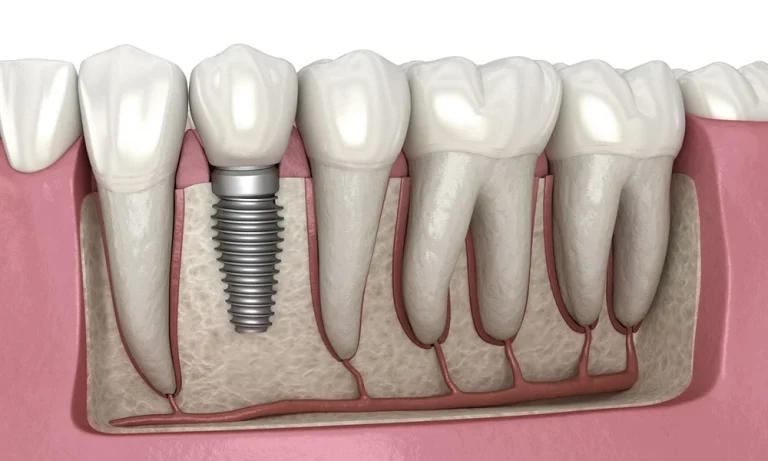
You notice it in small moments first. You smile with your lips closed in photos. You cover your mouth when you laugh. You chew on one side because the other side feels off, or you keep putting off that appointment because you are worried about cost, pain, or hearing bad news. Dental problems have a way of sitting quietly in the background until they affect how you eat, speak, work, and feel around other people. That is why finding comfortable dental care in Grove, OK can make such a meaningful difference.

That is why How Comprehensive Dentistry Builds Confidence And Lasting Smiles matters in real life, not just in a brochure. When your care includes prevention, repair, and appearance, you are not chasing one problem at a time. You are protecting your health, restoring function, and making it easier to feel like yourself again. full smile care supports more than your teeth. It supports comfort, confidence, and daily peace of mind.

General, cosmetic, and restorative dentistry solve connected problems

A chipped front tooth can make you self conscious, but it can also change how you bite. A missing molar may not show when you smile, yet it can strain nearby teeth and make meals harder. Gum irritation may seem minor until it becomes a source of bleeding, bad breath, or loose teeth. These issues are connected, which is why a broad approach works better than treating each symptom in isolation.

Complete dental care usually includes routine exams, cleanings, fillings, crowns, tooth replacement, whitening, bonding, and support for gum health. General dentistry helps prevent disease and catches trouble early. Cosmetic care improves the look of stained, uneven, or worn teeth. Restorative dentistry repairs damage and brings back strength and function. Together, they create a plan that fits your mouth as it is now, not as it looked five years ago.

You may be thinking the same thing many people do. What if the problem is worse than I think? That fear keeps people away for months or years, and the delay often makes treatment more involved. A small cavity can turn into a larger repair. A cracked tooth can become a root canal or extraction. A gap from one missing tooth can lead to shifting, bite changes, and more dental work later.

Research backs up the value of steady care. The CDC shares oral health tips for adults that focus on daily hygiene, regular dental visits, tobacco avoidance, and limiting sugar because prevention lowers the risk of decay and gum disease. The National Institute of Dental and Craniofacial Research also offers clear guidance on oral hygiene, including brushing with fluoride toothpaste and cleaning between teeth every day. Those basics sound simple because they are, but they work best when home care and professional care support each other.

Confidence grows when oral health, comfort, and appearance improve together

Confidence is not just about having whiter teeth. It is about not worrying that your breath is off during a meeting. It is about eating without pain, speaking without feeling a rough edge on a broken tooth, and smiling without doing mental math about which angle hides the stain or gap. When general, cosmetic, and restorative dentistry are planned together, the result usually feels more stable because it addresses the source of the problem and the way it affects your life.

This matters for long term health too. The National Institute of Dental and Craniofacial Research report on oral health in America shows how common oral disease remains and how strongly access, prevention, and timely treatment shape outcomes. Oral health is not separate from the rest of your life. It affects nutrition, sleep, comfort, and social ease.

Daily care and professional dentistry work better together

Approach What It Helps With Limits Best Use
Brushing twice a day with fluoride toothpaste Reduces plaque, lowers cavity risk, supports gum health Cannot remove tartar or repair damage Foundation of daily prevention
Cleaning between teeth every day Reaches areas a toothbrush misses, helps prevent gum disease Will not fix decay, cracks, or missing teeth Daily protection between visits
Whitening products at home May reduce surface stains Does not correct shape, alignment, decay, or deep discoloration Minor cosmetic refresh when teeth are healthy
Professional exams and cleanings Finds early problems, removes tartar, tracks changes over time Needs regular follow through Prevention and early detection
Restorative and cosmetic treatment Repairs function, appearance, and bite support Requires an accurate diagnosis and plan When damage, pain, or visible concerns affect daily life

The pattern is clear. Home care lowers risk. Professional care catches what you cannot see and fixes what daily habits cannot reverse. That is where dental care becomes more than maintenance. It becomes a way to stop small problems from taking over your time, comfort, and confidence.

Small, steady steps make smile restoration feel manageable

Start with an honest list of concerns. Write down what bothers you most, even if it seems cosmetic or minor. Pain when chewing, bleeding gums, an old crown, a missing tooth, stains, crowding, bad breath, sensitivity. A clear list helps shape a plan around your priorities instead of leaving you overwhelmed in the chair.

Ask for a phased treatment plan. You do not need to do everything at once. Many people do best when care is staged. First, address disease or pain. Next, restore broken or missing teeth. Then improve appearance if that still matters to you. This approach often feels lighter financially and emotionally.

Protect the results at home. Brush twice a day with fluoride toothpaste, clean between teeth daily, cut back on frequent sugary drinks or snacks, and keep follow up visits on the calendar. Lasting smiles come from consistency, not one perfect appointment.

Lasting smiles are built with care that sees the whole picture

If you have been putting off treatment, you are not lazy and you are not failing. You are dealing with something many adults struggle to manage until it starts affecting daily life. The good news is that a thoughtful plan that includes general, cosmetic, and restorative dentistry can rebuild comfort, function, and confidence one step at a time.

When you are ready, schedule a visit and ask for a clear path forward. A lasting smile usually starts there.

You noticed something unusual in your child’s mouth, and once you see it, it is hard to stop thinking about it. Two baby teeth may look stuck together. One tooth may seem wider than the others. You might be wondering if it will affect speech, brushing, pain, or the way adult teeth come in. That concern makes sense, and talking with a kid-friendly pediatric dentist in Ontario, CA can help. Teeth that appear fused or joined together can look alarming, especially when your child is still growing and every small change feels loaded with meaning.

The short version is this. A pediatric dentist checks whether the teeth are truly fused, geminated, or simply crowded in a way that makes them look joined. That evaluation usually includes a close clinical exam, counting the teeth, and dental X-rays to see how the roots and pulp chambers formed. From there, the dentist decides whether the tooth needs monitoring, preventive care, or treatment.

Pediatric dentists look beyond appearance when teeth seem fused

When parents search for answers about How Pediatric Dentists Evaluate Teeth That Appear Fused Or Joined Together, they usually want one clear answer, but these cases rarely work that way. Two teeth can look joined for different reasons. In fusion, two developing tooth buds combine. In gemination, one tooth bud tries to split and creates a tooth that looks doubled. Both can create a wide or unusual looking tooth, and both can confuse the tooth count unless a dentist checks carefully.

That distinction matters because the treatment plan can change. A tooth that only looks large may need observation and better cleaning around deep grooves. A fused tooth may affect spacing, eruption, or bite development. If the joined area traps plaque, your child may face a higher risk of cavities or gum irritation. If an adult tooth is missing underneath, that also changes the long term plan.

This is where a joined baby teeth evaluation becomes more than a quick glance. The dentist studies shape, symmetry, and position. They count how many teeth are present. If the total count is normal and one tooth looks doubled, gemination is more likely. If the count is short by one and two crowns seem merged, fusion becomes more likely. That basic counting step sounds simple, but it is often the first clue.

Dental X-rays show what the eye cannot see

A visual exam only tells part of the story. Pediatric dentists often recommend X-rays to see whether the teeth share dentin, roots, or pulp spaces. A radiograph can reveal one root or two, one pulp chamber or a connected system, and whether the permanent tooth below is developing normally. This matters because a wide crown may be manageable on the surface while the root structure underneath creates future challenges.

If your child has no pain, you may wonder why imaging is needed at all. The reason is timing. Problems tied to fused or joined teeth often show up later, when the adult teeth start moving into place or when deep grooves begin holding plaque. Catching that early can prevent a rushed decision later.

The NCBI overview of tooth development irregularities explains that these developmental changes can affect crown shape, root form, eruption, and spacing. In children, those details are not cosmetic side notes. They shape how the bite develops over time.

Evaluation focuses on cleaning, spacing, and the path of adult teeth

Most parents first focus on how the tooth looks. Pediatric dentists focus on function. Can your child brush it well. Is there a groove where decay may start. Is the tooth causing crowding. Is it interfering with the normal loss of baby teeth. Does it increase the chance that an adult tooth erupts in the wrong place or stays blocked under the gum.

A child with a fused front baby tooth may have no pain and no immediate treatment needs, but the dentist may still want periodic follow up. If the tooth has deep grooves, sealants or fluoride may help. If the tooth is loose on one side and not the other, extraction planning may be more complex than usual. If a permanent successor is missing, preserving that baby tooth as long as possible may become part of the plan.

The guidance from the American Academy of Pediatric Dentistry on developing dentition and occlusion supports monitoring growth, eruption, and spacing closely when developmental tooth differences are present. That is a big reason a pediatric dentist approach is so useful here. The goal is not just to name the condition. The goal is to protect the way your child’s mouth develops.

Home observation and pediatric dentist evaluation are not the same

What You Notice at Home What a Pediatric Dentist Evaluates Why It Matters
A tooth looks extra wide or doubled Fusion, gemination, or normal variation The diagnosis affects monitoring and treatment
Food gets stuck around the tooth Deep grooves, decay risk, brushing access Plaque retention can lead to cavities early
The smile looks uneven Tooth count, spacing, bite development Spacing issues can affect future eruption
No pain, so it seems harmless Root form, pulp anatomy, permanent tooth development on X-ray Hidden issues may appear later without early tracking

Three steps you can take right away

Schedule an exam before the next growth change. If a tooth appears fused or unusually wide, do not wait for pain. Many concerns involve eruption timing and spacing, and those are easier to manage when tracked early.

Take clear photos and note changes. A few phone photos taken a month apart can help you notice whether the tooth is darkening, trapping food, loosening unevenly, or changing position as nearby teeth erupt.

Help your child clean the area carefully. Wide or joined teeth often have grooves that hold plaque. Use a small soft toothbrush, angle the bristles into the groove line, and ask the dentist whether fluoride varnish or sealants make sense.

Care gets easier once the tooth is properly identified

You do not need to solve this by guessing from photos online. Teeth that look joined can mean different things, and the difference often sits below the gumline where only an exam and X-rays can show it. A proper pediatric dental evaluation of fused teeth gives you a clearer picture of what is happening now, what to watch for next, and whether the tooth simply needs monitoring or active care.

If your child has a tooth that looks fused, doubled, or unusually shaped, book a visit with a pediatric dentist. A clear diagnosis now can spare you a lot of uncertainty later.

Most homeowners never think about their gutters until water is pouring through the ceiling or the basement smells like a marsh. By that point, a $200 cleaning has turned into a $4,000 foundation repair. The good news: gutters give off real, visible warnings long before the expensive damage starts. Knowing what to look for puts you weeks ahead of the problem and keeps a small fix from becoming a structural nightmare.

Why Michigan Winters Make This Especially Urgent

Michigan is not a forgiving climate for exterior home systems. According to NOAA’s State Climate Summaries (2022), Michigan’s long-term statewide average precipitation is 31.7 inches annually, and the number of extreme precipitation events – days with 2 or more inches – has been increasing since 2000, with record-high multi-year values recorded for the most recent periods in the dataset. That means your gutters are not just channeling springtime drizzle. They’re handling heavier downpours more often, and in winter, they’re carrying the weight of ice dams forming at the roofline.

Washtenaw County, Jackson County, and Lenawee County all sit in a zone where freeze-thaw cycles happen repeatedly from November through March. Each cycle expands and contracts the metal in your gutter system. Over several seasons, that movement works on every joint, hanger, and seam in ways you can’t see from the ground – until a storm hits and the damage becomes obvious.

So watch for these five signs. Any one of them deserves attention. Two or more at once means you’re already behind.

Sign 1: Gutters That Visibly Sag or Pull Away from the Fascia

Run your eye along the roofline from the street. The gutter should form a clean, straight line with a slight pitch toward the downspout. If you see a dip, a bow, or a section pulling away from the board behind it, the hangers have failed. This happens when debris builds up, water pools instead of draining, and the added weight strains the hardware over time.

A sagging gutter doesn’t just look bad. It collects standing water, which breeds mosquitoes in summer and becomes a solid block of ice in winter. That ice adds more weight, pulls the gutter further, and can pry the fascia board right off the house. Fix the hanger spacing first; if the fascia itself has rotted, that board needs to go before any new hardware is attached.

Sign 2: Paint Peeling or Rust Streaks Below the Gutter Line

Orange-brown streaks running down your siding, or paint that’s bubbling and peeling in a strip directly beneath the gutter, tells you water has been escaping somewhere it shouldn’t. The gutter is overflowing, leaking at a seam, or simply pitched the wrong direction.

Rust streaks on aluminum gutters specifically come from screws or hangers that have corroded. They won’t clean off; the hardware needs to be replaced. Paint damage on the siding is a secondary problem – you’ll deal with it after the root cause is fixed, not before.

“Foundation damage from water intrusion is one of the most expensive and entirely preventable home repair categories. The overwhelming majority of cases trace back to improper drainage at the roof and grade level.” – A frequently cited principle in the residential building inspection community, consistent with findings from the National Association of Certified Home Inspectors training materials.

Sign 3: Water Pooling Near the Foundation or Eroded Mulch Beds

Stand outside during a heavy rain. If water is sheeting off the roofline and hitting the ground in a concentrated stream rather than being directed away from the house through a downspout, your gutters are either clogged or your downspouts are discharging too close to the foundation.

The soil around your foundation acts as a slow sponge. Chronic oversaturation weakens it, and over enough seasons, the pressure from waterlogged soil causes cracks in poured concrete walls and block foundations. The U.S. Census Bureau and HUD’s 2023 American Housing Survey found that 11.8 million occupied homes reported water leakage from outside, a figure that underscores just how widespread exterior drainage failure is across American housing stock. The fix here is often as straightforward as adding a downspout extension or regrading the soil, but only after you’ve confirmed the gutter itself is clear and flowing correctly.

Eroded mulch beds directly below a gutter section are a quieter signal of the same problem. If you’re refilling the same two-foot section of your garden every spring, the gutter above it is doing the excavating.

Sign 4: Mold or Mildew on the Interior Wall Nearest an Exterior Gutter Run

Interior mold near an outside wall is easy to blame on humidity or a roof leak, but gutters are a common culprit that homeowners miss. When a gutter overflows consistently along a specific run, water penetrates the soffit or fascia and wicks into the wall cavity. By the time mold appears on the drywall, moisture has been sitting in the framing for a while.

Check this from the outside too. Look up at the soffit boards directly below the gutter. Staining, soft spots, or visible rot on the soffit are hard confirmation that water is getting behind the system. This is also the point at which a professional eye matters – a technician can probe the wood to determine whether the framing behind the soffit has been compromised before you close anything up.

Sign 5: Gutters That Are Over 20 Years Old with No Record of Repair

A well-installed aluminum gutter system has a long service life, but age plus Michigan winters plus any deferred maintenance shortens that window considerably. If you bought your home and have no record of when the gutters were last serviced, assume they need inspection immediately. Joints that look fine from the ground may be sealed with a layer of caulk that’s cracked and no longer waterproof. Hangers that look stable may have pulled the fastener out of the fascia by a quarter inch – enough to fail under load.

Sectional gutters with joints are especially vulnerable because each seam is a potential leak point. Seamless systems fabricated on-site eliminate most of those failure points, which is why most replacement work today moves away from the old sectional approach.

A Decision Framework: Repair or Replace?

Not every gutter problem requires a full replacement. Here’s a quick way to think about it:

What You’re Seeing Likely Action
Single sag, intact fascia Repair (rehang with new hardware)
One leaking seam or joint Repair (reseal or splice)
Multiple sags across several runs Replace
Rotted fascia behind the gutter Replace fascia first, then gutter
System over 20 years, no service history Professional inspection, likely replace
Sectional gutters with multiple leaking joints Replace with seamless system

This is what I’d call the Gutter Failure Cascade: each sign on its own is manageable, but once two or more show up together, the system is no longer protecting your home and you’re past the repair-only threshold. The cost of one well-timed replacement is almost always less than the cost of the structural repairs that follow if you wait.

If you’re in southeastern Michigan and any of these warning signs look familiar, reaching out to a local contractor who specializes in Residential Gutter Repair Services in Michigan is the fastest way to get an honest assessment of where you actually stand before the next storm season arrives.

One Last Thing: Gutter Guards Are Not a Substitute for Inspection

A lot of homeowners install leaf guards and then mentally check gutters off their maintenance list. Guards do reduce debris accumulation, and they’re worth adding after a clean, well-functioning system is confirmed. But they don’t prevent ice damming. They don’t stop shingle grit from collecting at the bottom of the channel. And they don’t fix a hanger that’s already pulling loose.

Think of guards as a maintenance reducer, not a maintenance eliminator. A yearly visual inspection – from the ground with binoculars if you’re not comfortable on a ladder – takes ten minutes and catches most of these problems while they’re still cheap to fix. Build it into your fall checklist alongside cleaning the dryer vent and checking the smoke detectors. Your foundation will thank you.

Ever wondered why some products glide smoothly through the labyrinth of global certifications while others get stuck in costly rounds of re-testing? Pre-compliance testing is the behind-the-scenes safeguard that separates successful market launches from expensive missteps, yet many manufacturers underestimate its impact.

Understanding Pre-Compliance Testing: Purpose and Benefits

Pre-compliance testing acts as a rehearsal before the main act of regulatory certification. The goal is simple: catch potential compliance failures early, when fixes are easier and less expensive. Unlike full compliance testing, which is performed according to strict regulatory protocols for final certification, pre-compliance testing offers flexibility and is typically performed in a less formal setting. This approach allows for design tweaks and iterative improvements, drastically reducing the risk of late-stage failures.

The biggest benefit? Early-stage testing uncovers issues before they snowball into major delays. Manufacturers who invest in pre-compliance minimize the likelihood of failing formal assessment, cutting costs and getting to market faster.

Types of Essential Pre-Compliance Tests

The scope of pre-compliance testing depends on the product and its target market, but several core assessments are nearly universal.

Electromagnetic Compatibility (EMC) Testing

EMC testing evaluates whether a device will emit interference or be affected by external electromagnetic sources. Radiated emissions, conducted emissions, and immunity assessments pinpoint weaknesses that could cause a product to interfere with nearby electronics or fail in the field.

Radio Frequency (RF) Testing

Devices that use wireless communication must meet RF regulations. Pre-compliance RF tests measure parameters such as transmitter power, out-of-band emissions, and spurious signals. These checks ensure alignment with regional requirements and help avoid painful certification rejections.

Safety and Environmental Pre-Compliance Checks

Safety testing may include checks for electrical hazards, flammability, and environmental stresses such as temperature or humidity cycling. While often a secondary focus at the pre-compliance stage, catching issues early can be vital for products destined for tightly regulated markets.

Comparative Overview of Testing Methods and Approaches

Manufacturers face a strategic choice: perform pre-compliance testing in-house or engage an accredited lab. In-house setups offer control and convenience for iterative design, but may lack the measurement rigor, calibration, and expertise of facilities like Stancer Testing-Lab, an ISO/IEC 17025 accredited leader in the field. Accredited labs closely replicate the formal test environment, reducing surprises during certification.

Automated test equipment accelerates routine checks and data collection but may miss subtle failure modes requiring a skilled technician’s eye. Manual methods are slower yet allow for a nuanced, investigative approach.

Geographic regulations further shape testing strategies. For instance, FCC rules in the U.S., ISED in Canada, and CE/RED in Europe all specify different limits and test procedures. Aligning early assessments with these requirements is critical.

| Approach | Advantages | Drawbacks |

|———————————-|———————————–|———————————–|

| In-House Testing | Fast iterations, lower initial cost| Limited accuracy, expertise gaps |

| Accredited Lab Testing | High precision, regulatory insight | Scheduling, higher cost |

| Automated Equipment | Speed, repeatability | May miss complex faults |

| Manual Test Procedures | Deep insights, flexibility | Slower, operator dependent |

Criteria for Selecting the Right Pre-Compliance Tests

Not all products need the same battery of tests. Key selection factors include:

– Product Category and Intended Market: Medical devices face stricter scrutiny than consumer gadgets, while North American, European, or Asian markets each have their own regulatory hurdles.

– Frequency Bands and Emission Profiles: Wireless products operating in crowded spectrums require more granular RF analysis.

– Risk Factors and Cost-Benefit Analysis: High-risk components or new designs may justify extensive testing up front, offsetting the greater cost of redesign if failures are discovered later.

Case Studies: Diverse Approaches to Pre-Compliance Testing

A consumer electronics firm launching a new smart speaker, for example, will emphasize EMC and RF testing to verify the device neither causes nor falls victim to interference. Automotive suppliers, on the other hand, prioritize immunity testing against electrical transients, given the harsh noise environment in modern vehicles. Industrial equipment manufacturers often design tailored pre-compliance protocols, reflecting a unique mix of high power levels and challenging installation conditions.

Addressing Challenges in Pre-Compliance Testing

One chronic pitfall is underestimating emission levels or not simulating real-world operating modes. Diverse test environments, such as combining in-house screening with accredited lab reviews, can help spot problems earlier. Rapid iteration also enables teams to resolve issues during development, instead of scrambling for answers during certification.

By identifying failures early, manufacturers reduce the chance of costly reworks and multiple certification cycles.

Integrating Pre-Compliance Testing into Product Development

Successful teams weave pre-compliance into their workflow, whether using agile or waterfall models. In agile development, short and frequent test cycles align well with pre-compliance goals, catching issues as features are added. Waterfall teams tend to schedule pre-compliance at defined milestones.

Compliance consulting can prove invaluable here, especially when navigating unfamiliar regulations or complex product categories. Experts provide guidance on required tests, documentation, and risk mitigation.

Preparing for Market Submission: From Pre-Compliance to Certification

Transitioning from preliminary tests to formal compliance is smoother when early work is documented meticulously. While pre-compliance results are typically informal, they guide design improvements and prepare teams for rigorous third-party assessments. Regional differences in reporting and certification timelines mean that proactive testing can directly impact speed-to-market and final costs.

Choosing the right pre-compliance strategy is more than a technical detail; it is a decisive factor in successful product launches. Early investment means fewer surprises, happier engineers, and products that are ready not just to ship, but to succeed.

Buying premium human hair online has become a serious decision for beauty shoppers who want more than a quick purchase. Today’s customers compare brands, read reviews, study product details, and look for proof that a company can deliver the texture, quality, and service it promises. In the online beauty retail market, trust matters just as much as appearance, especially when shoppers are investing in high-quality hair products that should last, blend beautifully, and feel realistic. For buyers who want smarter shopping choices, understanding how to evaluate a hair company before ordering can help reduce risk and make the buying experience more confident.

How Shoppers Build Trust Before Ordering Premium Hair Online

For shoppers who love textured, natural-looking hair, the search for theBest Hair Sites To Order From usually begins with trust. Buyers want to know whether a brand understands different hair textures, curl patterns, density needs, and the expectations of customers who are looking for premium human hair instead of average beauty supply options. A reliable website should feel professional, easy to navigate, and clear about what the customer is actually buying.

Trust also comes from consistency. When a hair company shows realistic product images, detailed descriptions, customer reviews, and helpful policies, shoppers feel more comfortable making a purchase. In business terms, this is how online brands turn browsing customers into confident buyers. A strong online hair retailer does not rely only on pretty pictures. It gives customers enough information to make a smart decision.

  • Clear product names and texture descriptions
  • Secure checkout and visible customer support options
  • Realistic product photos and helpful care details
  • Customer reviews that discuss quality, delivery, and experience

Why Product Quality Matters in Online Beauty Retail

Premium human hair shoppers often look beyond price because they understand that quality affects the full value of the purchase. A lower-cost product may seem attractive at first, but if the hair sheds excessively, tangles quickly, or loses its natural finish, the customer ends up spending more over time. That is why product quality is one of the strongest factors in online beauty buying behavior.

For textured and natural hair shoppers, the best brands are usually the ones that explain where their hair fits in a customer’s lifestyle. A buyer may want soft curls, a blown-out natural look, a relaxed-straight finish, or a fuller protective style. When comparing premium categories such asVirgin Hair Wigs, shoppers often look for hair that offers realism, longevity, and a natural appearance without needing constant replacement.

From a business perspective, quality is also part of brand reputation. Premium hair companies compete by offering better sourcing standards, stronger product education, and more dependable customer experiences. When shoppers see that a company can explain texture, maintenance, density, and expected wear, they are more likely to view that seller as a serious beauty retailer rather than a random online store.

What Separates Reliable Hair Brands From Average Online Sellers

A dependable hair website should make the buying process feel transparent. Shoppers should not have to guess whether the product is human hair, how the texture behaves, or what type of maintenance it needs. The more clearly a brand explains its products, the easier it becomes for customers to compare options and choose what fits their needs.

Average sellers often focus heavily on discounts, fast claims, or overly edited photos. Premium retailers, on the other hand, build confidence through education and service. They provide realistic expectations about hair care, shipping, returns, and product performance. This is important because human hair is not just a beauty item; it is an investment connected to personal appearance, confidence, and daily routine.

Smart shoppers usually look for business signals such as:

  • A clear return or exchange policy
  • Responsive customer service
  • Detailed product pages with length, texture, and care information
  • Photos that show the hair in realistic lighting
  • Reviews that mention long-term wear, softness, and customer support

How Reviews, Policies, and Customer Service Shape Buying Confidence

Customer reviews have become one of the strongest decision-making tools in online hair shopping. Buyers want to hear from real people who have already purchased, installed, worn, and maintained the hair. Reviews can reveal important details that product descriptions may not fully explain, such as how the hair feels after washing, how it blends, or how the company handled delivery questions.

Policies are just as important. A clear return policy shows that a business has structure and accountability. Shoppers are more cautious when a website has vague rules, no visible contact information, or unclear shipping details. In premium beauty retail, uncertainty can quickly lead to abandoned carts because buyers want to protect their investment.

Customer service also plays a major role in brand loyalty. A shopper may have questions about texture matching, order timing, product availability, or care instructions before purchasing. When a company responds with helpful information, it builds trust before the sale even happens. That pre-purchase support can become a major advantage in a crowded online market.

The Bottom Line

The online human hair market is growing because shoppers are more comfortable buying beauty products digitally, but they are also becoming more selective. Customers want premium products, honest descriptions, secure shopping, and brands that understand the importance of texture, longevity, and realistic results. A beautiful website may attract attention, but transparency and quality are what encourage customers to complete the purchase.

For shoppers, the smartest approach is to compare more than price. Look at the company’s reputation, product education, reviews, return policy, and customer support before ordering. For hair businesses, the lesson is clear: customers are paying attention. Brands that provide trust, quality, and a smooth online shopping experience are more likely to win loyal buyers in the premium beauty retail space.

Key Highlights

  • Tea receptions are ideal for shorter events where a full meal would be too heavy.
  • This format encourages networking as guests can mingle while eating light snacks.
  • Tea reception catering is typically more cost-effective for large groups.
  • A smaller footprint makes this service perfect for venues with limited space.

Introduction

When planning an event, one of the first major decisions is determining the level of food service required. While the standard response is often a full buffet, this is not always the most practical or appropriate choice. Depending on the timing and the goals of your gathering, a more refined catering service might be exactly what you need. Tea reception catering has grown in popularity across Singapore because it fills the gap between “no food” and a “heavy meal.” It offers a curated selection of sweet and savoury bites that keep guests satisfied without the logistical and physical heaviness of a full buffet. Knowing when to make this switch can save you money and improve the flow of your event.

Ideal for Short and Mid-Day Events

The timing of your event is the most reliable indicator of which service you should choose. If your function takes place between traditional meal times-for example, from 2:30 PM to 4:30 PM-a full buffet service is often unnecessary. Guests have likely already eaten lunch and will be looking forward to dinner afterwards. In these instances, tea reception catering provides the perfect level of sustenance. It offers light refreshments like finger sandwiches, pastries, and local snacks that bridge the gap between meals. Serving a full buffet during these hours often leads to significant food waste, as guests are simply not hungry enough to consume a multi-course meal.

Promoting Networking and Movement

If the primary goal of your event is for guests to talk to one another, a tea reception is almost always the better choice. Full buffets often require guests to sit down with a heavy plate and cutlery, which naturally leads to them staying in one spot for the duration of the meal. In contrast, tea reception catering features bite-sized items that are easy to eat while standing and talking. This encourages guests to move around the room, interact with different people, and maintain a high level of energy. For product launches, gallery openings, or corporate mixers, the mobility offered by a tea reception is a significant strategic advantage.

Cost-Efficiency for Larger Crowds

Budget management is a reality for every event planner. For events with a high guest count, the cost per head of a full buffet can quickly escalate. A tea reception is generally a more budget-friendly catering service because the menu focuses on smaller portions and less complex logistics. You can still provide a high-quality, impressive spread of gourmet items, but the overall volume of food is lower. This allows you to allocate more of your budget to other areas, such as venue decor or guest speakers, without compromising on the quality of the hospitality you provide to your attendees.

Space Considerations and Venue Logistics

Not every venue is equipped to handle a massive buffet line. If you are hosting an event in a smaller office, a boutique showroom, or a crowded conference room, space is at a premium. A full buffet requires multiple long tables, food warmers, and space for a queue to form. Tea reception catering has a much smaller footprint. It can be beautifully arranged on a few small tables or even circulated by staff on trays. This makes it an excellent choice for venues where you want to maximise the available floor space for guests to stand and socialise comfortably.

Conclusion

Choosing between tea reception catering and a full buffet service depends on a careful analysis of your event’s schedule, goals, and venue. While the buffet is a classic for a reason, the tea reception offers a level of elegance, mobility, and cost-effectiveness that is hard to beat for afternoon and networking-focused events. By selecting the service that best matches the rhythm of your day, you ensure that your guests are comfortable, well-fed, and focused on the purpose of the gathering. A thoughtful catering choice reflects well on the host and ensures the event is remembered for its seamless execution and delightful refreshments.

Need the perfect refreshments for your next mid-day event? Contact Elsie’s Kitchen to discover our elegant tea reception catering and professional catering service options.

Do freestanding bathtubs really demand massive square footage, or is it time to rethink everything you thought you knew about sophisticated bathroom design? Minimalism and luxury are no longer mutually exclusive, and the modern freestanding tub is rewriting the rules for spaces big and small.

Debunking the Myth: Freestanding Bathtubs Are Too Bulky for Small Bathrooms

Walk into a showroom and you might assume freestanding tubs only suit sprawling ensuites. In reality, it all comes down to clever space planning and product design. The latest freestanding bathtubs are specifically engineered to maximize usability, even in more compact layouts.

Understanding Space Efficiency and Placement Options

Unlike built-ins, freestanding tubs can be positioned anywhere plumbing allows, against a wall, under a window, or as a striking centerpiece. This flexibility lets designers find the perfect fit, opening up floor space in unexpected ways. With thoughtfully chosen placement, even modest bathrooms can achieve an airy, uncluttered look.

Compact Designs That Maximize Bathroom Layouts

Contemporary tubs come in widths as trim as 60 inches, making it possible to enjoy luxury soaking without overwhelming your floor plan. Narrower footprints and oval silhouettes soften visual bulk and allow better traffic flow. Minimalist lines also help smaller tubs blend seamlessly with their surroundings, amplifying the sense of space.

Myth: Freestanding Bathtubs Are Difficult to Install

Stories of complex installation routines once dogged freestanding models, but modern plumbing solutions have changed the game.

Modern Plumbing Solutions Simplifying Installation

Today’s tubs often come with integrated drains and flexible hoses for faster, hassle-free connections. There’s less need for invasive construction or custom platforms, which means less mess and a speedier transformation. Plumbers now routinely install acrylic tubs with minimal disruption, especially in renovation projects.

Choosing the Right Tub Material for Easy Setup

Acrylic construction, in particular, offers lighter weight and manageable dimensions, making maneuvering in tight spaces noticeably easier. Acrylic’s flexibility also allows for a range of shapes and sizes while remaining highly durable, no need for specialized reinforcement.

Myth: Minimalist Elegance Means Sacrificing Comfort

The bare bones of minimalism might seem cold or austere, but the reality is far softer.

Ergonomic Designs within Minimalist Styles

Modern minimalist tubs prioritize comfort as much as aesthetics. Sloped backs, deep bathing wells, and smooth interior contours cradle the body, turning a quick soak into an immersive ritual. Minimalist does not mean monastic; it means stripping away clutter to focus on what matters.

Combining Aesthetics with Functional Luxury

Clean lines and simple forms actually highlight quality materials and thoughtful engineering. The result? Everyday routines feel like a spa experience, with every detail serving a purpose.

Myth: Freestanding Tubs Are Prohibitively Expensive

There’s a lingering belief that standalone tubs are only for the ultra-wealthy, but price points tell a different story.

Affordable Acrylic Options with High-End Appeal

Entry-level models start below $700 thanks to advancements in manufacturing and new materials like acrylic. These tubs offer a glossy, high-end look at a fraction of what stone or cast iron might cost. For under $900, you can find well-rated options in various finishes and sizes, no need to sacrifice style for budget.

Balancing Cost, Quality, and Longevity

Acrylic also brings savings beyond the sticker price. Its lightweight nature reduces installation costs, and its nonporous surface stands up well to daily use. Many brands back their products with strong warranties, making this a smart investment for the long haul.

Myth: Maintenance and Cleaning Are More Challenging

Freestanding does not mean fussy.

Easy-Clean Surfaces and Materials Explained

Acrylic tubs are nonporous and stain-resistant. That means soap scum, mineral deposits, and mildew have a hard time taking hold. Their smooth surfaces make cleaning as easy as a quick wipe-down with mild soap and water.

Practical Tips for Keeping Your Tub Spotless

Skip abrasive cleaners and harsh pads; use a soft cloth and gentle products to maintain luster. A weekly rinse and the occasional polish keep your tub showroom-fresh.

Myth: Freestanding Bathtubs Don’t Fit with Various Bathroom Styles

Worried a standalone tub won’t work with your aesthetic? Think again.

Versatility of Tub Shapes and Finishes

From crisp white ovals that channel Scandinavian serenity to dramatic black-and-white combos for bold statements, there’s a freestanding tub for every vision. Matte and gloss finishes allow for additional flexibility, and a spectrum of sizes means these tubs can anchor both classic and ultra-modern spaces.

Integrating Freestanding Tubs into Classic, Modern, and Eclectic Designs

Victorian-inspired legs suit traditional decor, while sculptural silhouettes are perfect for contemporary spaces. With endless shape and color possibilities, these tubs blend into farmhouse, industrial, or even eclectic interiors.

Myth: Freestanding Tubs Lack Durability Compared to Built-in Models

Worries about longevity belong in the past.

Material Innovations Enhancing Strength and Longevity

Acrylic technology has advanced to deliver long-lasting finishes that resist cracking, fading, and scratching. Quality construction ensures structural integrity, and many brands offer multi-year warranties. Homeowners across Canada praise their tubs for standing up to years of daily use.

Real-Life Customer Ratings and Satisfaction Insights

Thousands of households have adopted freestanding tubs, with satisfaction scores reaching as high as 4.8 out of 5. This isn’t just about aesthetics; it’s about products that perform.

Elevating Your Bathroom Design: The True Impact of Freestanding Bathtubs and Minimalist Elegance

A freestanding tub is more than a vessel for bathing. It transforms the atmosphere, creating a retreat that feels personal and serene. Minimalist elegance invites calm and order, letting the tub become a sculptural focal point that soothes both mind and body. In the end, the smartest bathroom upgrades are those that blend visual drama with lasting functionality, and freestanding tubs, paired with minimalist design, do precisely that.

Upgrading from older Wi-Fi standards such as Wi-Fi 5 or Wi-Fi 6 to the TP-Link BE5000 Series delivers a significant improvement in internet performance, including faster speeds, greater stability, and better support for modern devices. It is especially suitable for homes or offices with heavy and continuous internet usage. Here are 7 key reasons why you should consider making the switch.

1. Faster Performance

The first major reason to upgrade to the TP-Link BE5000 Series is its significantly faster performance powered by Wi-Fi 7 technology. It delivers much higher overall throughput compared to Wi-Fi 5 and Wi-Fi 6, allowing users to experience smoother streaming, faster downloads, and more efficient handling of high-bandwidth activities. This is especially noticeable when multiple heavy tasks are running at the same time, such as 4K video streaming while downloading large files or joining video meetings.

2. Lower Latency for Real-Time Responsiveness

Another key improvement is the reduction in latency, which greatly enhances real-time responsiveness. With lower delay in data transmission, activities like online gaming, cloud-based applications, and video conferencing become more stable and fluid. This helps eliminate common issues such as input lag, frozen video calls, or delayed reactions during competitive gaming sessions.

3. Better Support for Multiple Connected Devices

The TP-Link BE5000 Series also excels in supporting multiple devices simultaneously without performance degradation. In today’s connected environments, it is common to have smartphones, laptops, smart TVs, tablets, and smart home devices all running at once. Unlike older routers that may slow down under heavy load, this system is designed to distribute bandwidth more efficiently, maintaining stable performance across all connected devices.

4. Improved Signal Coverage and Stability

Signal coverage and stability are also significantly improved through advanced technologies such as beamforming and optimized antenna design. Instead of broadcasting signals in all directions equally, the router intelligently focuses the signal toward connected devices. This results in fewer dead zones, stronger connectivity in distant rooms, and more consistent internet performance throughout larger spaces.

5. Multi-Gigabit Wired Connectivity Support

The TP-Link BE5000 Series supports faster wired connections through multi-gigabit ports, including 2.5Gbps Ethernet. This allows users with high-speed fiber internet plans to fully utilize their bandwidth potential without being restricted by traditional 1Gbps limitations. It is particularly beneficial for NAS storage, gaming PCs, and office networks that require stable high-speed wired connections.

6. Seamless Mesh Wi-Fi Expansion

The system is also designed to work seamlessly with mesh networking technology, making it easier to extend Wi-Fi coverage across larger homes, multi-floor buildings, or office environments. With mesh integration, users can move between different areas without experiencing signal drops or needing to reconnect manually, ensuring a smooth and uninterrupted online experience.

7. Enhanced Network Management and Security Features

Lastly, the TP-Link BE5000 Series enhances overall network management and security features. Through user-friendly mobile applications, users can easily monitor connected devices, manage bandwidth usage, set parental controls, and prioritize important traffic. At the same time, built-in security features help protect against cyber threats, making it a reliable solution for modern households and businesses that require both convenience and safety.

Older Wi-Fi models are typically designed for basic use, making them suitable for general households with light internet activity such as browsing, watching videos, or using social media. As a result, they are often considered “good enough” for everyday use.

In contrast, the TP-Link BE5000 Series is built for high speed, low latency, and strong multi-device connectivity, while also being ready for future network demands. It is ideal for modern homes and high-performance usage, including households with multiple Smart Home devices, several smartphones, online gaming, 4K-8K streaming, small to medium offices, and users with fiber internet speeds starting from 1Gbps and above.

For those who want to upgrade to a faster and more stable network experience, the TP-Link BE5000 Series is available at Quickserv, where you can also get expert consultation to choose the most suitable networking solution for your needs, ensuring the best performance for both current and future usage.