
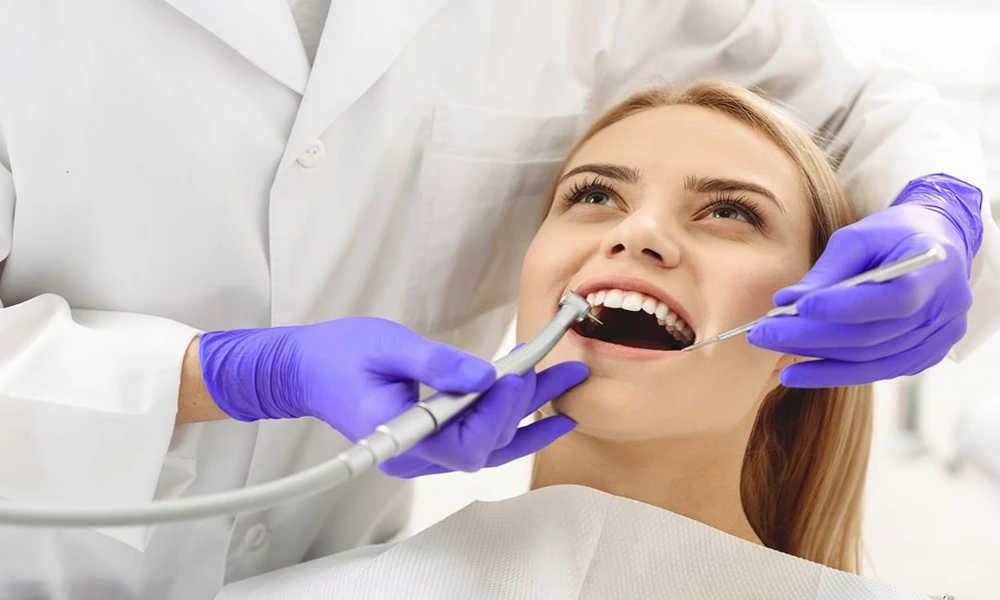
You notice it in small moments first. You smile with your lips closed in photos. You cover your mouth when you laugh. You chew on one side because the other side feels off, or you keep putting off that appointment because you are worried about cost, pain, or hearing bad news. Dental problems have a way of sitting quietly in the background until they affect how you eat, speak, work, and feel around other people. That is why finding comfortable dental care in Grove, OK can make such a meaningful difference.
That is why How Comprehensive Dentistry Builds Confidence And Lasting Smiles matters in real life, not just in a brochure. When your care includes prevention, repair, and appearance, you are not chasing one problem at a time. You are protecting your health, restoring function, and making it easier to feel like yourself again. full smile care supports more than your teeth. It supports comfort, confidence, and daily peace of mind.
General, cosmetic, and restorative dentistry solve connected problems
A chipped front tooth can make you self conscious, but it can also change how you bite. A missing molar may not show when you smile, yet it can strain nearby teeth and make meals harder. Gum irritation may seem minor until it becomes a source of bleeding, bad breath, or loose teeth. These issues are connected, which is why a broad approach works better than treating each symptom in isolation.
Complete dental care usually includes routine exams, cleanings, fillings, crowns, tooth replacement, whitening, bonding, and support for gum health. General dentistry helps prevent disease and catches trouble early. Cosmetic care improves the look of stained, uneven, or worn teeth. Restorative dentistry repairs damage and brings back strength and function. Together, they create a plan that fits your mouth as it is now, not as it looked five years ago.
You may be thinking the same thing many people do. What if the problem is worse than I think? That fear keeps people away for months or years, and the delay often makes treatment more involved. A small cavity can turn into a larger repair. A cracked tooth can become a root canal or extraction. A gap from one missing tooth can lead to shifting, bite changes, and more dental work later.
Research backs up the value of steady care. The CDC shares oral health tips for adults that focus on daily hygiene, regular dental visits, tobacco avoidance, and limiting sugar because prevention lowers the risk of decay and gum disease. The National Institute of Dental and Craniofacial Research also offers clear guidance on oral hygiene, including brushing with fluoride toothpaste and cleaning between teeth every day. Those basics sound simple because they are, but they work best when home care and professional care support each other.
Confidence grows when oral health, comfort, and appearance improve together
Confidence is not just about having whiter teeth. It is about not worrying that your breath is off during a meeting. It is about eating without pain, speaking without feeling a rough edge on a broken tooth, and smiling without doing mental math about which angle hides the stain or gap. When general, cosmetic, and restorative dentistry are planned together, the result usually feels more stable because it addresses the source of the problem and the way it affects your life.
This matters for long term health too. The National Institute of Dental and Craniofacial Research report on oral health in America shows how common oral disease remains and how strongly access, prevention, and timely treatment shape outcomes. Oral health is not separate from the rest of your life. It affects nutrition, sleep, comfort, and social ease.
Daily care and professional dentistry work better together
| Approach | What It Helps With | Limits | Best Use |
|---|---|---|---|
| Brushing twice a day with fluoride toothpaste | Reduces plaque, lowers cavity risk, supports gum health | Cannot remove tartar or repair damage | Foundation of daily prevention |
| Cleaning between teeth every day | Reaches areas a toothbrush misses, helps prevent gum disease | Will not fix decay, cracks, or missing teeth | Daily protection between visits |
| Whitening products at home | May reduce surface stains | Does not correct shape, alignment, decay, or deep discoloration | Minor cosmetic refresh when teeth are healthy |
| Professional exams and cleanings | Finds early problems, removes tartar, tracks changes over time | Needs regular follow through | Prevention and early detection |
| Restorative and cosmetic treatment | Repairs function, appearance, and bite support | Requires an accurate diagnosis and plan | When damage, pain, or visible concerns affect daily life |
The pattern is clear. Home care lowers risk. Professional care catches what you cannot see and fixes what daily habits cannot reverse. That is where dental care becomes more than maintenance. It becomes a way to stop small problems from taking over your time, comfort, and confidence.
Small, steady steps make smile restoration feel manageable
Start with an honest list of concerns. Write down what bothers you most, even if it seems cosmetic or minor. Pain when chewing, bleeding gums, an old crown, a missing tooth, stains, crowding, bad breath, sensitivity. A clear list helps shape a plan around your priorities instead of leaving you overwhelmed in the chair.
Ask for a phased treatment plan. You do not need to do everything at once. Many people do best when care is staged. First, address disease or pain. Next, restore broken or missing teeth. Then improve appearance if that still matters to you. This approach often feels lighter financially and emotionally.
Protect the results at home. Brush twice a day with fluoride toothpaste, clean between teeth daily, cut back on frequent sugary drinks or snacks, and keep follow up visits on the calendar. Lasting smiles come from consistency, not one perfect appointment.
Lasting smiles are built with care that sees the whole picture
If you have been putting off treatment, you are not lazy and you are not failing. You are dealing with something many adults struggle to manage until it starts affecting daily life. The good news is that a thoughtful plan that includes general, cosmetic, and restorative dentistry can rebuild comfort, function, and confidence one step at a time.
When you are ready, schedule a visit and ask for a clear path forward. A lasting smile usually starts there.

Comments are closed.