
Category

Food

Category

Key Highlights

  • Learn and master digital booking tools to claim your perfect table.
  • Stay ahead by tracking the release schedules of your favourite venues.
  • Share your specific dietary and seating preferences early for a tailored experience.
  • Honour cancellation policies to ensure fairness and availability for fellow diners.

Introduction

Securing a table at a sought-after venue is often the first step of a memorable evening. In a city like Singapore, where dining options are vast, understanding the mechanics of a restaurant reservation is essential. Whether you are planning a milestone celebration or a casual business lunch, the ability to navigate the booking landscape with precision can significantly influence the quality of your visit.

Modern dining logistics have transformed the simple act of visiting a venue into a process that requires foresight, patience, and clear communication. By adopting a systematic approach to your next restaurant booking, you can ensure that your evening unfolds exactly as intended, free from the stresses of last-minute availability concerns.

1. The Art of Timing

The most significant factor in securing a desired table is timing. Many popular establishments operate on a release cycle, often opening their availability calendars thirty to sixty days in advance. Proactive diners who understand this cadence are consistently able to secure prime seating, such as window-facing booths or tables with unobstructed skyline views. When planning for a weekend or a specific celebratory date, mark your calendar to check for availability the moment the window opens. Consistency in this planning phase allows you to avoid the disappointment of full capacity. If your preferred time is already taken, consider being flexible with your arrival time, as venues often have different turnover periods throughout the evening.

2. Digital Efficiency in Booking

The shift towards digital platforms has simplified the way guests manage their dining plans. Using an official online restaurant reservation system is the most reliable method for securing a table. These platforms offer real-time updates on capacity, allowing you to view and select slots without the need for multiple telephone calls. Furthermore, these systems provide a centralised way to track your confirmations. When you utilise the official platform, you ensure that your request is immediately logged into the system, reducing the risk of administrative errors. For those moments when you are looking for a last-minute restaurant booking, keeping an eye on these platforms can also reveal sudden cancellations, providing a window of opportunity that might otherwise remain closed.

3. Communicating Special Requirements

A restaurant reservation is not merely a request for a chair and a table, but an opportunity to communicate the specific needs of your party. Whether you are observing dietary restrictions, celebrating a birthday, or requiring a quiet corner for a business meeting, articulating these needs at the point of booking is crucial. Front-of-house teams rely on this information to prepare the physical environment and the service flow in advance. By providing clear details early, you enable the team to curate an experience that feels personal and considered. If your plans change, or if a guest has a new requirement, updating the establishment well in advance is an essential courtesy that supports the smooth operation of the dining room.

4. Etiquette and Reliability

The relationship between the diner and the restaurant is built on mutual respect. Reliability is a cornerstone of this dynamic. Punctuality ensures that your table is ready and that the service rhythm for the evening is maintained. When a guest fails to appear or cancels at the very last minute, it impacts the venue’s ability to manage the room and serve other patrons. Developing a habit of confirming your attendance or updating the status of your restaurant booking as soon as your plans change helps to maintain the availability of tables for the wider dining community. It is a simple gesture that reflects well on the diner and facilitates a more professional environment for both staff and guests.

Conclusion

Mastering the process of booking a table is about more than just securing a seat. It is about understanding the professional ecosystem that makes high-quality dining possible. By engaging with the booking process early, using digital tools effectively, communicating clearly, and maintaining reliability, you contribute to a successful evening for everyone involved. The next time you find yourself planning an evening out, consider these steps to ensure your experience at HighHouse is as seamless as it is enjoyable.

If you have specific requirements for your next visit, or if you would like assistance with a private event or large group, reach out to HighHouse today. We are here to assist in making your restaurant reservation process straightforward and your dining experience exceptional. We look forward to welcoming you soon.

Key Highlights

  • Tea receptions are ideal for shorter events where a full meal would be too heavy.
  • This format encourages networking as guests can mingle while eating light snacks.
  • Tea reception catering is typically more cost-effective for large groups.
  • A smaller footprint makes this service perfect for venues with limited space.

Introduction

When planning an event, one of the first major decisions is determining the level of food service required. While the standard response is often a full buffet, this is not always the most practical or appropriate choice. Depending on the timing and the goals of your gathering, a more refined catering service might be exactly what you need. Tea reception catering has grown in popularity across Singapore because it fills the gap between “no food” and a “heavy meal.” It offers a curated selection of sweet and savoury bites that keep guests satisfied without the logistical and physical heaviness of a full buffet. Knowing when to make this switch can save you money and improve the flow of your event.

Ideal for Short and Mid-Day Events

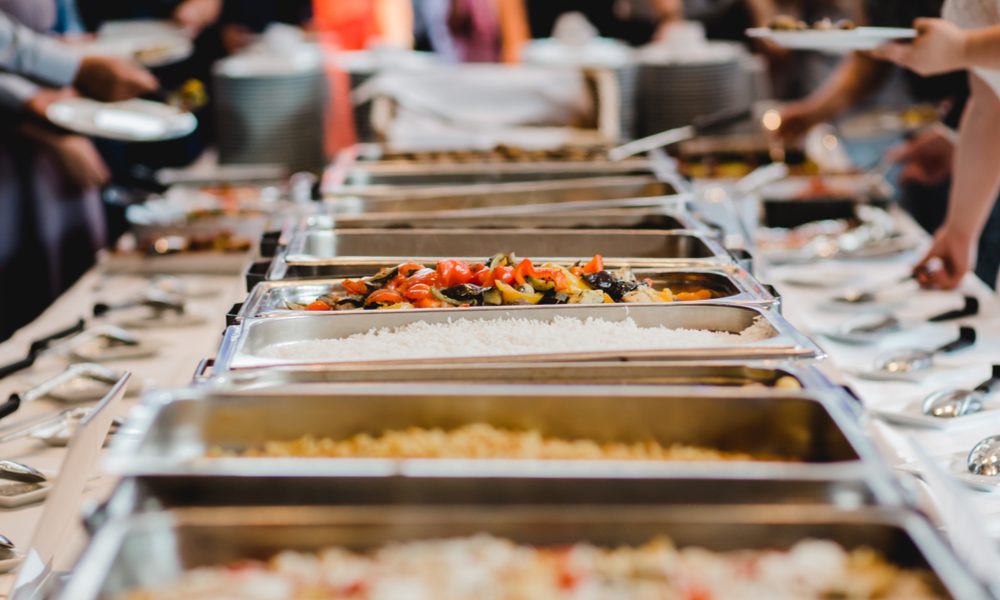
The timing of your event is the most reliable indicator of which service you should choose. If your function takes place between traditional meal times-for example, from 2:30 PM to 4:30 PM-a full buffet service is often unnecessary. Guests have likely already eaten lunch and will be looking forward to dinner afterwards. In these instances, tea reception catering provides the perfect level of sustenance. It offers light refreshments like finger sandwiches, pastries, and local snacks that bridge the gap between meals. Serving a full buffet during these hours often leads to significant food waste, as guests are simply not hungry enough to consume a multi-course meal.

Promoting Networking and Movement

If the primary goal of your event is for guests to talk to one another, a tea reception is almost always the better choice. Full buffets often require guests to sit down with a heavy plate and cutlery, which naturally leads to them staying in one spot for the duration of the meal. In contrast, tea reception catering features bite-sized items that are easy to eat while standing and talking. This encourages guests to move around the room, interact with different people, and maintain a high level of energy. For product launches, gallery openings, or corporate mixers, the mobility offered by a tea reception is a significant strategic advantage.

Cost-Efficiency for Larger Crowds

Budget management is a reality for every event planner. For events with a high guest count, the cost per head of a full buffet can quickly escalate. A tea reception is generally a more budget-friendly catering service because the menu focuses on smaller portions and less complex logistics. You can still provide a high-quality, impressive spread of gourmet items, but the overall volume of food is lower. This allows you to allocate more of your budget to other areas, such as venue decor or guest speakers, without compromising on the quality of the hospitality you provide to your attendees.

Space Considerations and Venue Logistics

Not every venue is equipped to handle a massive buffet line. If you are hosting an event in a smaller office, a boutique showroom, or a crowded conference room, space is at a premium. A full buffet requires multiple long tables, food warmers, and space for a queue to form. Tea reception catering has a much smaller footprint. It can be beautifully arranged on a few small tables or even circulated by staff on trays. This makes it an excellent choice for venues where you want to maximise the available floor space for guests to stand and socialise comfortably.

Conclusion

Choosing between tea reception catering and a full buffet service depends on a careful analysis of your event’s schedule, goals, and venue. While the buffet is a classic for a reason, the tea reception offers a level of elegance, mobility, and cost-effectiveness that is hard to beat for afternoon and networking-focused events. By selecting the service that best matches the rhythm of your day, you ensure that your guests are comfortable, well-fed, and focused on the purpose of the gathering. A thoughtful catering choice reflects well on the host and ensures the event is remembered for its seamless execution and delightful refreshments.

Need the perfect refreshments for your next mid-day event? Contact Elsie’s Kitchen to discover our elegant tea reception catering and professional catering service options.

Planning an event comes with challenges, but food is one of the most crucial aspects. A well-planned menu can impress guests, create lasting memories, and set the tone for the gathering. Choosing the right dishes ensures everyone is satisfied, yet many hosts overlook key details that elevate the experience.

Custom menu planning ensures that every dish aligns with guests’ preferences, dietary requirements, and the event’s overall theme. Hosts can create a well-balanced menu featuring fresh, high-quality ingredients and visually appealing presentations by working with a skilled catering team. This thoughtful approach enhances the dining experience, making the event seamless, memorable, and enjoyable for all attendees.

1. Understand Your Guests’ Preferences and Restrictions

One of the hosts’ most significant mistakes is assuming that a one-size-fits-all approach will work for their event. Guests have different dietary needs, from vegetarian and vegan preferences to gluten-free and allergy-related restrictions. Taking the time to gather this information in advance ensures that everyone has something delicious to enjoy.

A thoughtful way to do this is by collecting RSVPs with a meal preference section or working closely with a catering professional who can offer a diverse selection of dishes. A balanced menu with meat, seafood, and plant-based options ensures that all guests feel considered and cared for.

2. Focus on Seasonality and Freshness

Fresh, seasonal ingredients enhance each dish’s flavor while adding a special touch to the dining experience. Seasonal produce tastes better and is often more affordable and readily available. Planning around what’s in season allows for a more dynamic and exciting menu highlighting the best flavors of the year.

Additionally, selecting seasonal ingredients adds a touch of elegance and authenticity to the meal. The right ingredients can elevate the event, whether a refreshing summer salad featuring ripe berries or a cozy winter entrée with root vegetables and hearty spices.

Perfect Event Menu

3. Balance the Flavors and Textures

A well-crafted menu should offer a variety of flavors and textures to keep guests engaged throughout the meal. If the appetizers are light and crisp, consider adding a main course that is rich and hearty. A contrast of sweet, savory, spicy, and tangy elements ensures that every bite is enjoyable and satisfying.

The same principle applies to textures—combining creamy, crunchy, and tender components adds depth to each dish. For instance, pairing a velvety soup with a crispy breadstick or a tender steak with a crunchy slaw creates a dynamic dining experience that delights the palate.

4. Keep Portions and Course Timing in Mind

While offering a variety of dishes is essential, portion control and meal pacing are just as crucial. Too much food can overwhelm guests, while too little can leave them unsatisfied. Finding the right balance ensures that everyone enjoys each course without feeling too full before dessert arrives.

Additionally, timing the courses correctly enhances the flow of the event. Spacing out the dishes allows guests to savor each bite, engage in conversation, and truly enjoy the experience. A well-planned menu ensures no long gaps between courses or rushed meal service, making the event seamless and well-organized.

5. Add a Signature Element to Make It Memorable

A special touch can set an event apart from the rest. Whether it’s a custom cocktail, a unique dessert, or a dish inspired by the host’s cultural background, adding a personalized element makes the meal unforgettable. Guests appreciate thoughtful details; a signature dish or drink gives them something to discuss long after the event.

Interactive food stations, themed plating, or family-style dining can add a creative twist. These small but meaningful additions create an atmosphere that reflects the host’s personality and the event’s purpose, leaving a lasting impression.

Creating a successful menu requires more than choosing delicious dishes—crafting an experience that complements the event and satisfies every guest. Custom menu planning allows hosts to design a meal that balances flavors, meets dietary needs, and enhances the atmosphere. Any event can offer an exceptional dining experience that guests will remember for years by focusing on seasonal ingredients, thoughtful course timing, and personalized touches.

Dubai is a paradise for chocolate lovers, offering an array of hidden gems where indulgence meets artistry. Beyond the well-known commercial brands, the city is home to exclusive chocolatiers crafting artisanal flavors for the ultimate gourmet experience. Dubai’s lesser-known chocolate stores offer a sensory experience unlike any other, whether your taste is refined and you are searching for unusual combinations or you are a tourist looking for a sweet vacation.

A Journey into the World of Chocolate Excellence

While luxury is a signature of Dubai; real chocolate lovers know that the best secrets are hidden from view. Nestled across the city are boutique chocolate shops committed to employing the best ingredients, fusing history with modern ideas. These locations give an immersive experience whereby imagination and workmanship unite to create unique delicacies, therefore offering more than just sweets.

The Secret Behind Exceptional Chocolate

Their dedication to quality and purity distinguishes these understated treasures. Many of them get organically grown cocoa so that every mouthful captures authenticity and rich, sophisticated taste. These handcrafted treats, unlike mass-produced variants, emphasize small-batch manufacturing so as to maintain the integrity of every component.

The focus on workmanship also reaches into presentation. Every purchase feels like a work of art from beautifully crafted chocolates, elegantly wrapped assortments, and complex flavor profiles. Experiencing these masterpieces is an investigation of texture, harmony, and refined sweetness—not only a treat.

Where to Find These Hidden Gems

For those ready to learn Dubai’s best-kept chocolate secrets, it’s important to venture outside of conventional retail centers. The best choices are usually found in boutiques of chocolate lounges, specialty dessert cafés, and private confectionery stores. These locations are well-known for their attention to detail, individual touch, and genuine respect for cocoa in its most natural form.

These chocolatiers guarantee every mouthful is a luxury delight by providing artisanal flavors for the ultimate gourmet experience with their rich blends and creative approaches. Dubai’s secret chocolate treasures will elegantly delight your taste, whether your preferred dark chocolate is classic or a bold new infusion.

Dubai’s chocolate scene is a treasure trove waiting to be explored. These hidden jewels provide an amazing trip through flavor, texture, and craftsmanship for anyone looking for a higher degree of experience. Savoring the best handcrafted chocolates here is about embracing a world of flavors created to perfection, not only about quelling a sweet tooth.


Pursuing coffee excellence creates moments of pure enjoyment in every carefully prepared cup. From misty mountain farms to final brewing, premium coffee brands maintain exceptional standards throughout production.

High-elevation regions between specific tropical latitudes produce outstanding coffee beans. Cool temperatures slow development, allowing deeper flavours to form naturally. Mineral-rich volcanic soils feed plants gradually, creating complex taste profiles. Careful farming practices maintain consistent quality across harvests.

Essential quality elements

Altitude effects on bean development

  • Slower maturation increases flavour compounds
  • Cool nights concentrate desirable elements
  • Natural stress creates more profound complexity
  • Weather patterns influence final quality

Processing excellence standards

Traditional methods preserve inherent bean characteristics during preparation. Washing stations remove fruit pulp while maintaining seed integrity. Sun-drying on raised beds allows gentle moisture removal without damage. Temperature monitoring prevents quality issues during processing. Premium coffee brands oversee each step carefully.

Precision roasting protocols

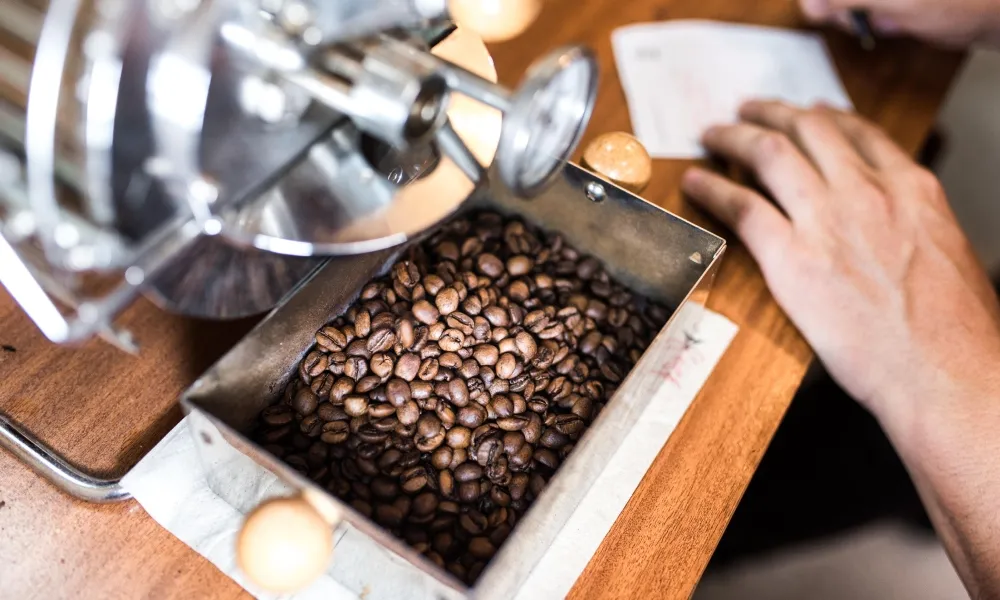
Master roasters apply heat carefully to unlock hidden flavour potential. Monitoring equipment tracks critical temperature curves precisely. Cooling stops internal reactions at optimal moments for each roast level. Post-roast resting allows flavours to stabilize fully before packaging. Quality testing confirms consistency across production batches.

Critical roasting factors

  • Development time management
  • Temperature curve precision
  • Cooling process control
  • Rest period duration
  • Quality verification steps

organic coffee

Storage condition requirements

Climate-controlled environments prevent premature ageing effects. Proper packaging materials block harmful light exposure completely. Valve systems release gases while preventing oxygen entry. Regular rotation ensures stock remains within peak drinking windows. premium coffee brand complies with strict guidelines regarding the supervision of storage areas.

Professional quality verification                                         

Trained tasters evaluate beans throughout production phases. Standardized forms track essential characteristics systematically. Calibration sessions maintain consistent scoring across teams. Laboratory testing confirms maintained standards scientifically. Detailed records document quality metrics comprehensively.

Quality assessment points

  • Physical bean evaluation
  • Sample roasting results
  • Cupping score analysis
  • Chemical composition tests
  • Moisture content checks

Brewing parameter precision

Filtered water prevents unwanted flavour interference during preparation. Proper grinding ensures even extraction of desirable compounds. Temperature stability brings out balanced taste profiles consistently. Timing accuracy prevents bitter over-extraction issues completely. Clean equipment maintains pure flavour expression perfectly.

Supply chain management

Direct relationships between producers and premium coffee brands maintain standards. Small batch production allows strict oversight of processing steps. Certified testing confirms quality specifications before shipping approval. Climate-controlled transport preserves freshness during movement. Regular facility inspections verify maintained protocols.

Consumer education initiatives

Detailed origin information builds deeper appreciation naturally. Brewing guides share optimal preparation techniques. Tasting notes help identify subtle flavour variations quickly. Storage recommendations preserve home quality effectively. Premium coffee brands actively support customer knowledge development.

Educational focus areas

  • Origin characteristics
  • Processing methods
  • Roasting effects
  • Storage practices
  • Brewing techniques

Sustainability commitments

Fair prices support continued quality improvements steadily. Education programs share agricultural best practices widely. Infrastructure development eases processing challenges significantly. Strong relationships build lasting partnerships naturally. Premium coffee brands invest in growing communities regularly.

Pure flavour profiles demonstrate maintained standards. Natural complexity shows through proper handling perfectly. Professional care preserves peak conditions consistently. Premium coffee brands deliver exceptional experiences regularly. Each cup celebrates dedicated quality focus ultimately.

The vitamins and antioxidants that comes packed in a Sea buckthorn plant are simply unmatched. It is a powerhouse of so many health ingredients. And, without a doubt, we all are now well aware of its health benefits. However, there are several lesser-known aspects about growing and harvesting sea buckthorn that might surprise you. 

In this blog, let’s explore some fascinating facts about this magical plant.

  1. Sea Buckthorn Plant is Dioecious in Nature

One of the most important things to know about sea buckthorn plant is that it’s dioecious, which means it requires both male and female plants to produce berries. So, when you are planning your kitchen garden, make sure to include at least one male plant for every few females to enjoy a bountiful harvest.

  1. Poor Soil is All That You Need for a Thriving Sea Buckthorn

Sea buckthorn has a wonderful ability to grow in poor, nutrient-deficient soils. It flourishes well in sandy, rocky, or loamy soil, which makes it an ideal option for areas where other plants struggle to thrive. Further, it’s a great nitrogen fixer, similar to legumes, which means it improves the soil quality overtime. As a result, it is a perfect pick for regenerative agriculture or sustainable gardening practices.

  1. It’s a Highly Drought-Tolerant Plant

Sea buckthorn doesn’t come with many conditions. It can grow well in poor soil conditions; however, the plant requires regular watering during its first year to establish strong roots. Once they mature, they become incredibly drought-tolerant. It is best for regions where water conservation is important.

  1. Harvesting Can Be Tricky

Late summer to early fall is the best time to enjoy ripened sea buckthorn berries. However, harvesting these berries is quite tricky because of their small size and thorny branches. One thing you can do here is just freeze the branches before harvesting. This is a good and tried method, which makes it easier to remove the berries from the branches by simply shaking them off and without any damage to the plant. 

  1. The Plant Comes with Impressive Pest and Disease Resistance

Sea buckthorn is a low-maintenance addition to any garden because of its high resistance to pests and diseases. While there can be some occasional issues, overall, it can be managed easily with simple remedies. It is a hardy, self-sustaining plant.

  1. A Multifunctional Plant

Not just for its nutritional benefits, sea buckthorn is also commonly used as a windbreak or erosion control plant because of its sturdy nature and ability to stabilize soil. It has an impressive root system that helps prevent soil erosion while its thorny branches act as a safe haven for wildlife.

In this way, the above-mentioned pointers make it very clear that growing and harvesting sea buckthorn is a rewarding experience, both health and maintenance wise. This versatile plant is worth adding to any garden.