Category

Home

Category

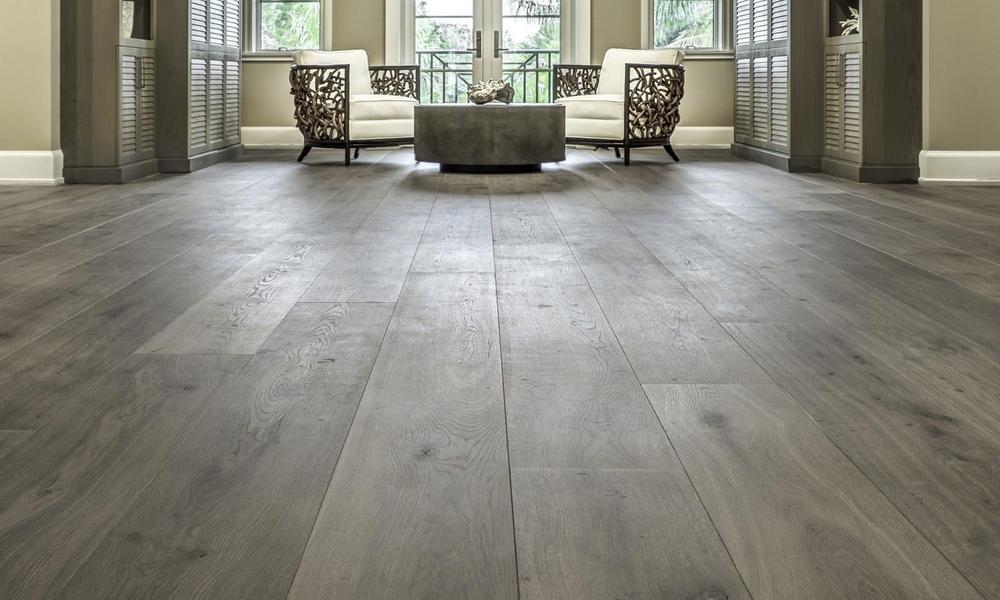
Parquet flooring is a type of wood flooring that is made up of individual pieces of wood arranged in a geometric pattern. It is one of the most popular and attractive types of hardwood flooring available today and can be used to add style and elegance to any home. Parquet flooring is also very durable, making it an ideal choice for high-traffic areas such as hallways and living rooms. With proper care and maintenance, parquet floors can last for many years, giving you beautiful floors that look great for years to come.

Parquet flooring is a beautiful and timeless way to add a touch of elegance to any home. It is made up of small pieces of wood arranged in geometric patterns, creating a unique look that is both classic and modern. Parquet flooring has been around for centuries, but it has recently become more popular due to its durability, ease of maintenance, and timeless style. With its many benefits, parquet flooring is an ideal choice for anyone looking to create a stunning look in their home.

What are the care tips for parquet flooring?

Parquet flooring is a timeless and stylish choice for any home. It adds beauty and warmth to any room and is durable and easy to maintain. But, like all other types of flooring, parquet flooring needs proper care in order to keep it looking its best. Here are some tips on how to properly care for your parquet flooring so that it will last for years to come. From regular cleaning to occasional waxing and sealing, these simple steps will help ensure that your parquet floors remain beautiful and long-lasting.

Parquet flooring is a timeless and elegant choice for any home. It’s a great option if you’re looking to add warmth and texture to your space. But it also requires special care and maintenance in order to keep it looking its best. With the right care tips, you can ensure that your parquet flooring looks beautiful for years. In this article, we’ll discuss some of the best tips for caring for parquet flooring so that it can remain in perfect condition for as long as possible.

Installation process of parquet flooring

Installing parquet flooring is an easy and affordable way to add a touch of elegance and style to any room. Parquet flooring is made up of small pieces of wood arranged in a geometric pattern, usually with a dark stain or finish. The installation process is relatively simple and can be done by most DIYers with the right tools. This guide will walk you through the steps needed to install parquet flooring in your home, from preparation to completion. With careful attention to detail and the right materials, you’ll be able to enjoy your beautiful new parquet floor for years to come!

Installing parquet flooring is an easy and economical way to add beauty and value to any home. Parquet flooring is a type of wood flooring composed of small, interlocking pieces that form geometric patterns. It is a great choice for homeowners who want to create an elegant, timeless look in their homes without breaking the bank.

The installation process for parquet flooring involves laying out the individual pieces of wood in their desired pattern, securing them in place with glue or nails, and then sanding and finishing the surface. The installation process can be completed by professional installers or DIYers, depending on the complexity of the design and the level of experience needed. With careful planning and preparation, anyone can create a beautiful parquet floor that will last for years to come!

You’ve probably seen the trend by now. Home decorators are turning to carpets, rugs and even wall-to-wall flooring in their home decorating projects. And if you haven’t yet tried this new trend for yourself, it’s time to get started!

The Benefits Of Wall-To-Wall Carpets

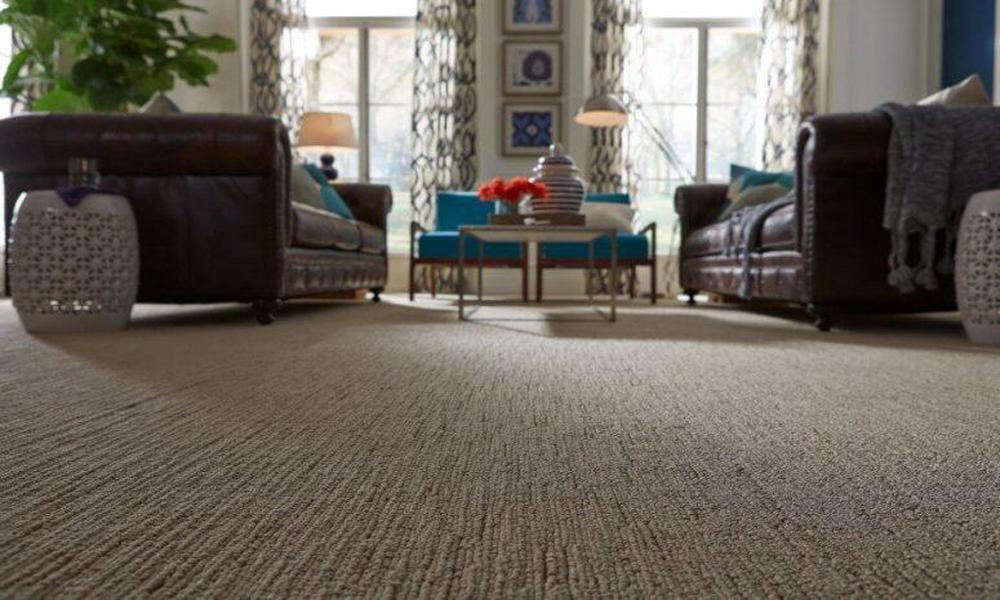
Wall-to-wall carpets are a great way to add warmth, color and style to your home. They are available in a wide range of colors, styles and textures and can be customized to suit any decorating scheme.

Wall-to-wall carpets offer many benefits:

Easy To Clean

If a spill occurs, you only need to wipe it up rather than remove furniture or other items from the room. Wall-to-wall carpeting is also easy to clean with periodic vacuuming.

Durable

Many styles of wall-to-wall carpeting are so durable that they can be installed on stairs as well as in bedrooms, living rooms and hallways. In addition, some types of wall-to-wall carpeting are stain resistant and easy to clean. This can help to protect your investment in the home while making it look fresh and new.

Comfortable

The soft surface of a wall-to-wall carpet can make any room more comfortable. Plus, many carpets today come with padding on the backside so that they don’t show under furniture legs.

Affordable

Wall-to-wall carpeting typically costs less than other types of flooring options such as hardwood floors or ceramic tile because it is more durable and easier to install yourself (or hire someone else to do it).

Attractive

Many styles of wall-to-wall carpeting are available in a wide variety of colors and patterns. This allows you to choose a floor covering that fits the decor of your home.

Installation Of Wall-To-Wall Carpets

Wall-to-wall carpets are installed by professional carpet installers. The installation process is a complex one, requiring skill and expertise. It can take up to 3 days, but once complete it will add value to your home for years to come. You should only hire an insured, bonded and licensed professional installer who has experience in installing wall-to-wall carpets.

Variety Of Styles In Wall To Wall Carpets

Wall-to-wall carpets come in a wide range of styles and colors. You can find them in classic patterns or modern designs. There are patterns that look like wood, stone or even marble. You can also choose from hundreds of different colors to match your decorating theme.

There are a wide variety of wall-to-wall carpets, including:

Frieze

A carpet that is woven in such a way that it appears as if it is made of several layers. This type of carpet is often used in commercial settings.

Shag

Short, textured pile carpeting designed to resemble shaggy hair.

Patterned or Textured

Patterned with stripes or swirls, or textured by using wool tufts or other materials.

Domestic

Woven in the United States and sold domestically; may also be called “American made.”

Wall-to-wall carpets are a great way to add some color and style to your home. They’re also durable, easy to clean and very affordable! If you’re looking for something new for your living room or even bedroom, why not consider getting some wall-to-wall carpeting installed?

Several different types of synthetic fabrics can be used for upholstery. These include artificial leather, faux fur, and microfiber.

Artificial leather is a good choice for applications that require a high degree of durability and resistance to wear and tear. It’s also easy to clean and stain-resistant, making it ideal for areas where regular cleaning is necessary.

Faux fur is perfect for covering furniture that will be exposed to the elements or high levels of traffic. It’s also less expensive than real fur, so it’s a good option if you’re on a budget.

Microfiber is an excellent choice for upholstery because it’s both durable and soft feeling. It doesn’t pill or wrinkle easily, so it lasts long even under heavy use. And because it absorbs oil and moisture well, it keeps your furniture looking fresh and new.

Natural Fibers for Upholstery

Upholstery fabrics are made up of natural fibers like cotton, wool, or silk. These fibers are often treated with chemicals and other processes to make them softer, more durable, or more resistant to wear and tear.

This is why it’s important to choose a fabric that’s specifically designed for upholstery. Because these fabrics are so delicate, they need to be treated with care if you want them to last long. You should also avoid using these fabrics on items that will be exposed to a lot of moisture, like showers or kitchens.

When it comes to choosing a particular type of upholstery fabric, it’s important to consider the following factors:

  • The fiber content: All types of upholstery fabrics have different fiber contents – cotton has the most, wool has the least and silk is in the middle. This affects how soft or strong the fabric is, how well it absorbs water, and how much effort it takes to spin it into yarn.
  • The treatment: Some treatments make the fabric more resistant to wear and tear, while others make it softer or hypoallergenic.
  • The color: Upholstery fabrics come in all sorts of colors, from basic black and browns to vibrant oranges and greens. This affects both how easy it is to see dirt or spills on the surface as well as how stylish the Upholstery fabrics are.

Durability and Performance of Upholstery Fabrics

When you’re looking for a durable and performance-rich upholstery fabric, you should consider selecting a fabric made from cotton. Cotton is a great choice because it’s both strong and resilient, which means it can withstand a lot of wear and tear. Not to mention, it also has a very low moisture absorption rate, so it won’t get wet and matted down over time.

Some other good choices for upholstery fabrics include damask (which is known for its elegant and sophisticated look), brocade (a luxurious cloth with intricate patterns), and taffeta (a light but sturdy fabric). While each of these fabrics has its unique features, all of them are great candidates for use in high-end upholstery projects.

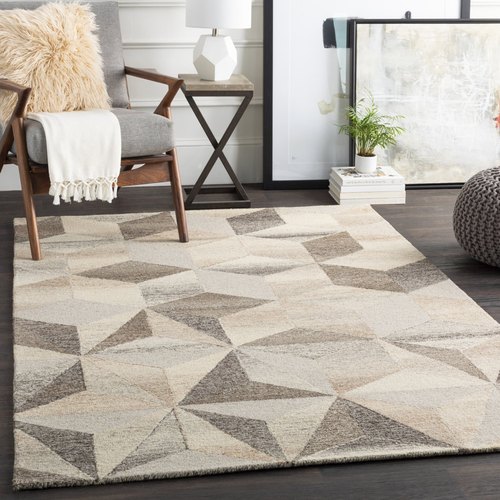
Hand-tufted carpets are becoming increasingly popular for a number of reasons. Firstly, hand-tufted carpets are unique and one-of-a-kind, as each one is made by hand and can be customized to the buyer’s specifications. The process of making a hand-tufted carpet involves punching the tufts of yarn through a pre-drawn pattern on a fabric base, creating a plush and textured surface.

  • Another reason people prefer hand-tufted carpets is the quality of the materials used. The yarn used in hand-tufted carpets is typically made of high-quality wool, silk, or synthetic fibers, giving them a luxurious and durable feel. This is in contrast to machine-made carpets, which often use lower quality materials to cut costs.
  • Another factor that makes hand-tufted carpets appealing is their versatility. Hand-tufted carpets can be made in any size or shape, allowing them to fit perfectly into any space, regardless of its dimensions. Furthermore, the wide range of colors, patterns, and textures available makes it easy to find a hand-tufted carpet that complements the existing decor.
  • In addition to their aesthetic qualities, hand-tufted carpets are also known for their durability. The process of making a hand-tufted carpet involves securing each tuft of yarn to the fabric base, creating a strong and sturdy surface. This makes hand-tufted carpets resistant to wear and tear, even in high-traffic areas. Furthermore, the dense pile of hand-tufted carpets provides excellent insulation and soundproofing, making them ideal for use in bedrooms and living rooms.
  • Another advantage of hand-tufted carpets is that they are relatively easy to care for and maintain. Unlike other types of carpets, hand-tufted carpets don’t require regular vacuuming, as the dense pile helps to prevent dirt and dust from sinking into the fabric. In addition, the high-quality materials used in hand-tufted carpets are naturally stain-resistant, making them easy to clean if spills occur.

In conclusion, hand-tufted carpets are becoming increasingly popular due to their unique, high-quality, versatile, durable, and easy-to-maintain characteristics. Whether you’re looking for a luxurious accent piece for your home, or a practical solution for high-traffic areas, hand-tufted carpets are an excellent choice. With a wide range of colors, patterns, and textures available, there’s a hand-tufted carpet to suit every taste and decor style. So if you’re looking for a stylish, durable, and long-lasting floor covering, consider investing in a hand-tufted carpet.

Precautions for Hand-tufted Carpets

Here are some quick precautions to keep in mind when caring for hand-tufted carpets:

  • Vacuum regularly to remove dirt and debris that can wear down the fibers.
  • Avoid exposing the carpet to direct sunlight, as this can cause fading and discoloration.
  • If a spill occurs, clean it up as soon as possible to prevent staining.
  • Rotate the carpet periodically to ensure even wear and to prevent fading from sunlight.
  • Have the carpet professionally cleaned at least once a year to remove any built-up dirt and debris.
  • Avoid using chemical cleaners, as they can damage the fibers and cause discoloration.

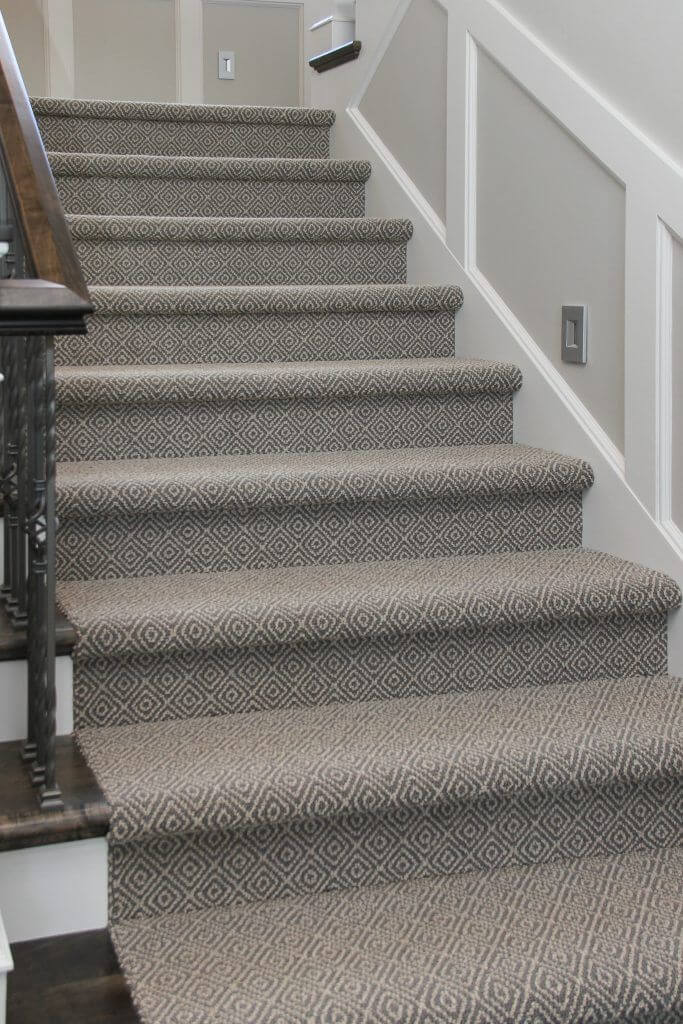
Staircase carpets are a type of carpet that is designed to look good on a staircase. They are made out of a variety of materials, including wool and silk, and they come in a variety of colors and styles. Staircase carpets have a number of benefits over traditional rugs or carpets. For one, they are much easier to clean – you just need to vacuum them once a month or so. Additionally, staircase carpets are much less likely to get stains or dirt on them, which means they look cleaner for longer periods of time. Lastly, they’re also less likely to move or slip when you walk on them – another common problem with other types of flooring.


Staircase carpets are a special type of carpet that is designed to look great when stairs are involved. They’re made up of several repeating patterns that run down the entire length of the carpet. This makes them perfect for staircases, as it gives the illusion of a smooth surface even when there are bumps and curves in the real world. Staircase carpets come in a variety of styles, from traditional to modern. They can also be made to match any color or style scheme you choose, so they’re perfect for any interior design project. In addition, they’re easy to clean and maintain – just sweep them once a week and vacuum them once a month.


Do you want something best for your pets or children?


Staircase carpets are a type of carpet that is typically used in staircases and other locations where you need to be able to move around easily. They’re made up of a series of loops or circles that make it easy for you to walk on them without getting stuck. The reason why staircase carpets are so popular is that they’re very versatile.


You can use them in any room, including the living room, bedroom, and kitchen. Plus, they’re perfect for areas where there’s a lot of traffic – like the bathroom or the hallway. Since they’re so easy to clean, they make an excellent choice for places where you have pets or children. And, since they’re reversible, you can change the look of your staircase carpet whichever way you want.


Staircase carpets are a type of carpet that is designed to look great on staircases. They tend to be made out of a softer material than regular carpets, which makes them easier to clean and less likely to become damaged. They also come in different designs and colors, making them perfect for any kind of staircase or hallway.


Get to add a touch of luxury to any room with a staircase!


Staircase carpets are a type of carpet that is designed to look great when used in staircases. They are made up of multiple smaller carpets that are knitted or woven together, giving them a textured and complicated look. Staircase carpets come in many different styles and colors, making them perfect for any style or decoration scheme. They also tend to be relatively affordable, making them an ideal choice for anyone looking for a luxurious but budget-friendly addition to their home.

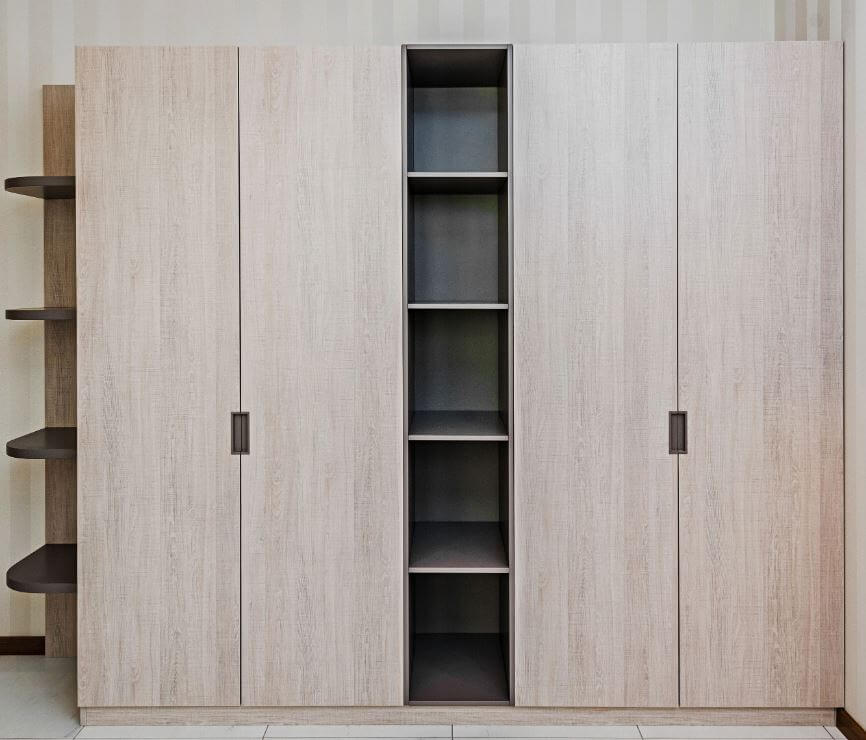
When it comes to installing cupboards, there are a few key steps that you need to take into account.

  1. Measure your space carefully first You won’t be able to install a cupboard if you don’t measure your space correctly first. Make sure to measure the width, height, and depth of the area where you want the cupboard to go. You’ll also need to account for any obstacles or corners in the room that might prevent you from installing a straight cabinet.
  2. Choose the right type of cabinet There are three main types of cupboards: hinged cabinets, sliding cabinets, and wall-mounted cabinets. Hinged cabinets are the simplest and most common type, and they require no installation other than fixing them onto the wall using screws or brackets. They are also cheaper than other types of cabinets.
  3. Sliding cabinets come in two varieties: vertical and horizontal slide-outs. Vertical slide-outs allow more storage space on one side of the cabinet than the other, making them good for storing larger items like TVs or appliances horizontally. Horizontal slide-outs are better for smaller items like books or towels because they have more compartments on one side than on the other.


How to Maintain and Keep Your Cupboard Looking Neat


Cupboards are one of the most important pieces of furniture in a home, and they play an essential role in organizing and storing your belongings.

There are a few things you need to keep in mind when it comes to keeping your cupboard looking neat and tidy:

  • Keep your cupboard clean! The cleaner it is, the easier it will be to find what you’re looking for.
  • Store your items vertically instead of horizontally. This will make them easier to grab and great storage space is always valuable!
  • Use dividers or organizers to keep things sorted.


Tips for Styling Your Cupboard for Maximum Impact


To make the most of your cupboard, follow these tips:

  • Go with a neutral color palette. This will help your cupboard blend in with any other pieces of furniture in your room, and it won’t clash with any of your accessories.
  • Choose storage containers that are modern but also classic. These types of containers can be used to store just about anything, and they look great on any shelf.
  • opt for a minimalistic design. This is especially important if you have a small space – by limiting the number of items you store, you’ll be able to fit more things on the shelves without taking up too much space.
  • Use natural materials and shapes to create an organic look. Wood, marble, and stone are all good choices for shelving and cabinets – they’re versatile and timeless, making them perfect for any style of home. Cupboards can be a great way to spruce up any room in your home, but they don’t have to be plain or boring.

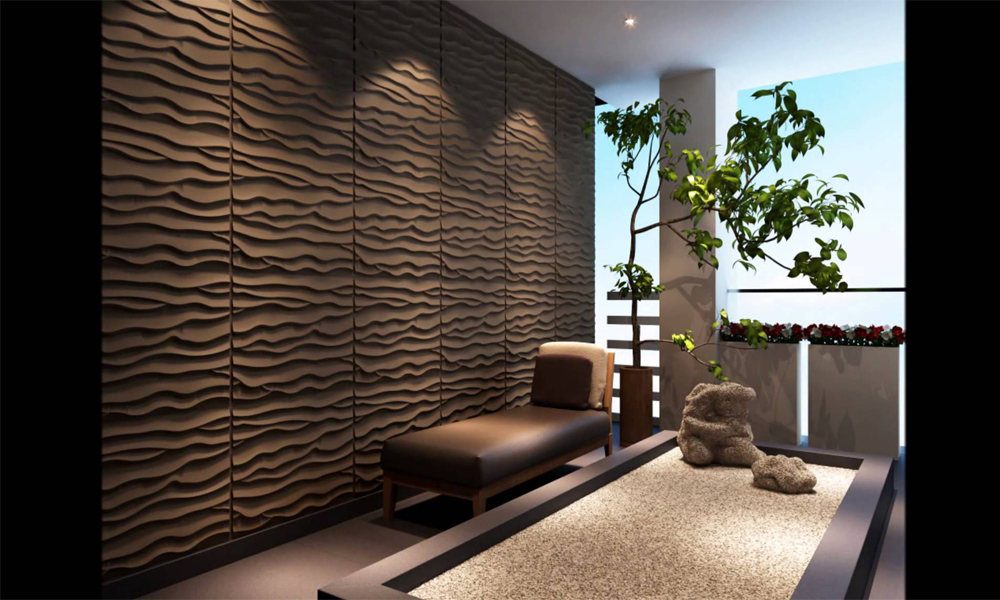
Wall Panels allow you to create a unique, personalized feel to any room. They are perfect for covering up unsightly walls, accenting an area, or creating a special atmosphere. With the right sized Wall Panel, it’s easy to transform your home and give it a fresh new look. Wall Panels are a cheap and flexible way to add style to your house. Wall panels come in a variety of colors and patterns, are easy to follow, easy to use and fast to hang. Wall panels are a great way to add charm, interest, and impact to your space.

They’re available in a range of styles, shapes, and finishes. Each wall panel is different, so you can place them anywhere you want and create exactly the look you want. Wall Panels are made for indoor applications and can be used for kitchen or bathroom. Wall Panels have a classic look that adds charm to any space. Wall panels can be used to fill gaps in your walls, create accents like stone and tile, or even cover areas that need more privacy. Wall panels are a simple, yet elegant way to create a wall partition with the look and feel of wood.

Materials of Wall Panels:

Wall panels are made from a variety of materials. Wall panels can be made from both wood and plastic products. The most common types of wall panels are Fiberglass, glass tile, and patterned wallpaper. Wall panels are made from a variety of materials. Some are manufactured from concrete, some from composite. Materials vary according to the intended purpose and application of the wall panel. Wall panels are made from durable, powder-coated iron and Kraft paper composite. Their high-quality finish ensures that they will look fantastic for years to come. Wall panels fit together like a puzzle so you can create any kind of wall decor you can imagine. Our wall panels are made from the highest quality plastic and are made to last long. The components are machine cut, not cut by hand or hand carved.

Composition of Wall Panels:

Our wall panel is composed of a polymer adhesive, metal mesh to minimize air flow, and special soundproofing aluminum sheets.  Wall panels are composed of a number of different materials, such as composite materials, natural stone veneer, composite fiberglass veneer, and laminated glass.  The material is selected according to the application and standard installation instructions. Wall panels are the most popular interior design element, because they can be used a lot of different ways. They come in many different shades of color and are extremely light weight, therefore versatile to be placed anywhere in any room.

Our wall panels are made from recycled materials and come with a nominal flat rate for installation. Wall panels are composed of individual panels that can be installed both vertically and horizontally. They can be used to decorate walls in your home or office, as well as create a defined border in certain areas. Modern Wall Panels are composed of individual parts that are carefully connected by a steel frame. This allows you to easily install these panels in various places. It is made up of a combination of layers of stone and other materials and is fixed to the wall. The purpose is to provide necessary insulation, soundproofing & thermal performance.

Custom-made headboards are headboards that are specifically designed and crafted to fit a particular bed frame and bedroom design. They are typically made using a variety of materials such as wood, metal, fabric, and more. Custom-made headboards are perfect for adding a unique and personalized touch to a bedroom. They can also be more durable and last longer than store-bought headboards.

A custom-made headboard is a headboard that is made specifically for you and your bed. It can be made out of any material, such as wood, metal, fabric, or even leather. It is custom designed to fit the exact measurements of your bed and can be personalized with different fabrics, colors, textures, and designs to match the existing décor of your bedroom. The headboard is usually attached to the frame of the bed, but there are also free-standing designs available.

A custom-made headboard is a piece of furniture designed and built to fit a particular bed. They are typically made from solid wood, metal, or upholstered fabric and provide a decorative touch to the bedroom. A custom-made headboard can be designed to match the overall décor of the room and can be custom-sized to fit a particular bed size.

What to Consider When Choosing a Custom-Made Headboard

  1. Style: When choosing a custom-made headboard, consider the style you want for your bedroom. Do you want a more traditional look, or a modern and contemporary style?
  2. Material: The material you choose for your headboard will determine its durability, as well as its look and feel. Popular materials for headboards include wood, metal, and fabric.
  3. Dimension: You will need to measure your bed frame and mattress to determine the size of the headboard you need. You should also factor in any additional space needed for a bedside table or other bedroom furniture.
  4. Comfort: If you plan to lean against your headboard while reading or watching TV, make sure it is comfortable. Consider adding a cushion or padding to the headboard if it is made from a material that doesn’t provide much cushioning.
  5. Price: Custom-made headboards can range in price from very affordable to quite expensive. Shop around to find a headboard that fits your budget.

Costs and Maintenance of Custom-Made Headboard

The cost of a custom-made headboard will vary based on the materials used and the size of the headboard. Generally, custom-made headboards can cost anywhere between $500 and $3,000. The cost may be higher or lower depending on the materials used and the complexity of the design. In terms of maintenance, custom-made headboards should be able to be wiped down with a damp cloth and vacuumed occasionally to remove dust and debris. If the headboard is made of wood, it should be oiled regularly with furniture oil to keep it looking its best. If the headboard is made of metal, it should be wiped down with a damp cloth and dried immediately to prevent rusting. Additionally, the fabric headboards should be spot-cleaned with mild detergent and kept dust-free.

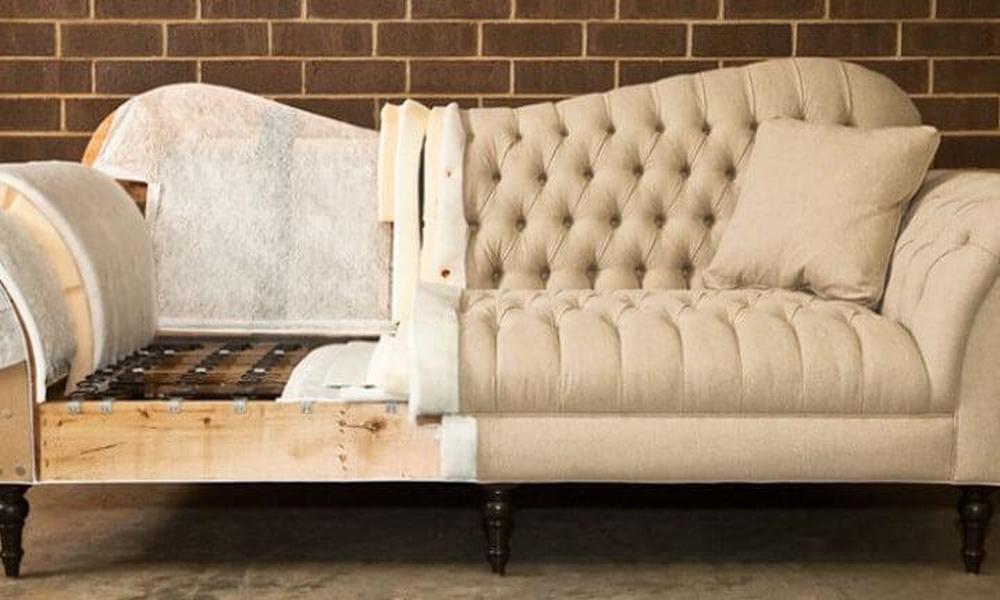
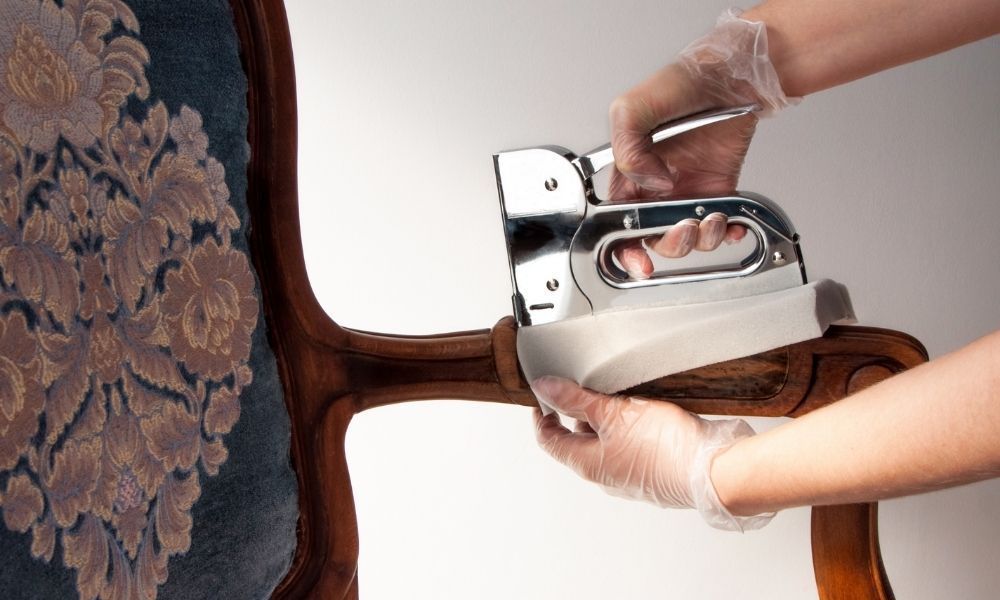
Reupholstering  is one of the easiest ways to update your furniture. Reupholstering an old chair or sofa is a great way to add value and style to your home upholstery. The process of reupholstering involves removing the old fabric, covering all the upholstery with a new piece of fabric, then seaming it back together.

The first step in reupholstering is to remove the old fabric from your furniture. You can do this by taking off the arms and legs and possibly removing the springs from your sofa or chair as well. Make sure that you leave no nails or screws behind when removing these pieces of furniture so that they don’t damage any other parts of your furniture during removal.

Once you’ve removed all these parts from your furniture, you’ll be ready to start covering them with new fabric! This process will require some time depending on how much work needs to be done on each piece of furniture and what type of fabric material you choose for each piece. If you have an older couch or chair that requires more careful attention than newer ones, make sure that someone who knows what they’re doing helps out when covering it with new fabric (like a carpenter).

Techniques methods:

The process of reupholstering is not an easy one to master. Many different techniques and methods can be used when reupholstering. Some of these techniques include:

Selecting the right fabric for your project

Cutting out the pieces of fabric with scissors or a rotary cutter

Sewing the fabric together

Assembling the piece and making any necessary adjustments

Steps of reupholstering:

The process of reupholstering a sofa, chair, or another piece of furniture involves the following steps:

  1. Remove the old upholstery
  2. Cover the seat with fabric
  3. Repair any rips or tears in your existing fabric
  4. Paint and stain the new fabric to match your existing furniture

When you decide to reupholster your furniture, it is important to know that there are many different options. There are many different types of fabric from which you can choose, the type of coverings you want on your furniture, and the quality of the materials that go into building your project.

The first thing to consider when looking for new furniture is what type of look you want. There are many different options available and you can have as much or as little of a custom design as you would like.

When it comes time to pick out new furniture, it is important to make sure that you have enough space in your home so that your furniture will fit comfortably without being cramped. Next, think about where each piece will go about other pieces in the room, especially if they are heavy pieces such as large armoires and beds.

When deciding whether or not to uphold an old piece of furniture, consider what type of fabric you want on the seats (cloth, leather, wool). The type of material makes all the difference in how long it will last; if it’s going to wear off quickly with the use.

Wall cladding is a wall covering that can be installed on the exterior of a building. It is commonly used in residential, commercial, and industrial applications. Wall cladding is made from a variety of materials, but most commonly it is made from wood or metal. The wood used to make wall cladding may come from trees that have been cut down and processed into lumber, or it may come from trees that have not been harvested at all.

Wall cladding can be installed over existing wall cladding  on an exterior wall using a variety of different methods. There are three main methods for installing wall cladding: horizontal lapping (also called lap siding), vertical lapping (also called siding), and hybrid lapping (also called siding with flashing).

TRICKS ABOUT WALL CLADDING 

Here are some tricks about wall cladding that you should know.

  1. The first thing to keep in mind is that wall cladding is applied over a substrate. In most cases, this is concrete or masonry. However, there are times when you will use other materials as well, such as wood and metal studs.
  2. A good rule of thumb for installing any type of wall cladding is to always measure twice and cut once. This is especially important when installing wall cladding over an existing surface that may be uneven or have existing cracks or stains on it.
  3. You should also use your measurements rather than relying solely on the dimensions given by your supplier when buying your materials for installation purposes.

The trick about wall cladding is that it is not simply a matter of slapping up a sheet of bricks and calling it a day. A lot of work needs to be done before you get to the stage where you can start adding the bricks, and even more work after that. The first thing you need to do is make sure your walls are strong enough to hold the weight of anything you put on them. This means checking that they are structurally sound and have no cracks or weaknesses in them or any other problems that could cause issues later on.

WALL CLADDING STRATEGIES 

Wall cladding can be applied directly to the surface of a building or on top of an existing foundation or structure. In the latter case, it’s typically done so to improve upon the appearance of the building and create new decorative features that blend well with the original design.

Wall cladding is a type of decorative exterior wall covering that can be applied to any type of building. The term refers to the material that is used on the outside of the wall, but it is not limited to exterior walls. It can also refer to interior surfaces such as ceilings and floors. Wall cladding can be made from many different materials, including materials such as PVC (polyvinyl chloride), fiberglass, metal, and stone. Wall cladding can also be combined with other elements such as lighting and heating to create a complete look for your home or business.