
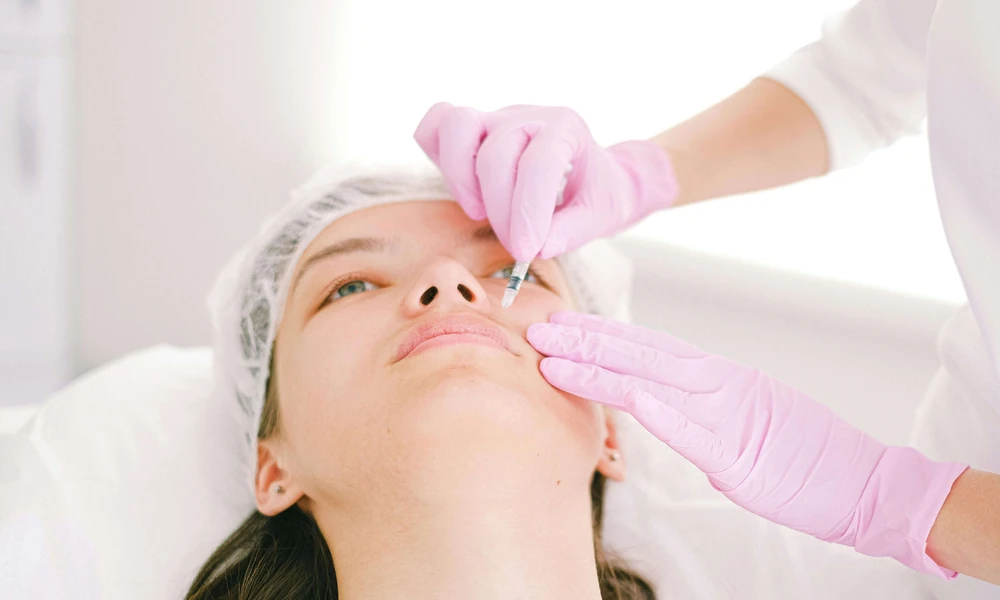
A single misstep in facial anatomy can transform a beauty treatment into a medical emergency. That is why the foundation of nurse injector training programs is rooted in rigorous clinical education, blending scientific precision with hands-on expertise. As demand for aesthetic procedures rises, the quality of training programs becomes a critical factor that separates competent practitioners from those who put patient safety at risk.
Foundations of Nurse Injector Training Programs
Core Clinical Knowledge: Anatomy and Safety
Mastery of facial anatomy is non-negotiable for safe injectable practice. Training begins here, guiding nurses through the complex web of muscles, nerves, and vessels beneath the skin. A clear understanding of these structures helps prevent complications, such as vascular occlusion or nerve damage, that can result from improper injection technique.
Ethical Considerations and Risk Assessment
Beyond technical skills, nurse injector education places ethical practice at the forefront. Courses address informed consent, patient autonomy, and the ethical boundaries of aesthetic medicine. Trainees learn to assess risk, recognize contraindications, and manage patient expectations, ensuring that every procedure is both safe and appropriate.
Patient Consultation and Treatment Planning
Success in aesthetics is never just about technical execution. Nurse injectors must become skilled communicators, able to evaluate a patient’s medical history, discuss desired outcomes honestly, and develop individualized treatment plans. Training programs emphasize this consultative process, which lays the foundation for trust and patient satisfaction.
Comparing Training Levels: From Beginner to Advanced
Not all training programs are created equal. The most comprehensive options, such as those offered by Mediluxe, segment learning into clear stages, enabling steady growth from novice to expert.
| Level | Focus Areas | Certification |
|———|———————————————————|—————|
| Level 1 | Basic anatomy, safety, intro to neuromodulators | Yes |
| Level 2 | Advanced neuromodulation, filler basics, complication mgmt | Yes |
| Level 3 | Full facial harmonization, advanced zones, live models | Yes |
Level 1: Introduction to Injectables and Basic Techniques
Beginners start with foundational topics: facial anatomy, injection safety, neuromodulators (like Botox), and ethical patient consultation. Certification at this stage confirms readiness to perform basic procedures under supervision.
Level 2: Intermediate Skills and Complication Management
At this stage, practitioners move beyond basics. Training covers advanced neuromodulation techniques, filler applications for lips, cheeks, and chin, and the all-important management of common complications. Live model practice and rigorous documentation standards reinforce safe habits.
Level 3: Advanced Procedures and Facial Harmonization
The final tier challenges nurses to master complex injectable techniques, including non-standard zones and advanced facial harmonization. Trainees work with both cannulas and needles, study real case scenarios, and acquire confidence handling rare complications.
Training Formats and Learning Modalities
Hands-On Practice Versus Observation Days
Effective training is built on a blend of theory and practice. While didactic lectures provide a technical foundation, hands-on sessions with live models are indispensable for developing tactile skills. Observation days allow students to witness real clinical interactions, deepening their understanding of patient care and procedural nuance.
Small Group Instruction and Personalized Coaching
Learning in small groups supports meaningful engagement with instructors and peers. Personalized coaching ensures rapid feedback, helping students correct mistakes in real-time and build lasting confidence.
Use of Live Models and Clinical Exposure
Working on live models moves learning from textbook to reality. This exposure not only sharpens practical technique, but also helps future injectors manage patient emotions, questions, and diverse outcomes.
Pedagogical Approaches: Theory Versus Practical Application
Didactic Learning: Anatomy, Pharmacology, and Protocols
Lectures and interactive modules focus on clinical knowledge, including anatomy, pharmacology, and evidence-based protocols. These sessions set the intellectual groundwork for every injection performed.
Practical Skill Development: Injection Techniques and Safety
From simulating injections on mannequins to progressing to live models, skill labs are where knowledge is converted into safe, effective practice.
Case Studies and Real-World Scenario Training
Analyzing real cases prepares trainees for the unpredictable realities of the clinic. Reviewing adverse outcomes, ethical dilemmas, and complex consultations fosters critical thinking and ethical decision-making.
The Role of Expert Supervision and Mentorship
Impact of Experienced Clinicians on Skill Acquisition
Mentorship is the quiet force driving competency. Programs led by experienced clinicians, such as Dr. Alex at Mediluxe, provide nuanced insight that cannot be gleaned from textbooks alone.
Personalized Feedback and Skill Refinement
Immediate feedback during hands-on practice accelerates progress, helping trainees refine their technique and address weaknesses before they become habits.
Building Confidence Through Guided Practice
Guided practice under expert supervision enables students to approach clinical scenarios with poise, translating knowledge into dependable patient care.
Certification and Professional Development Outcomes
Importance of Certification for Career Advancement
Certification is more than a credential; it is a signal of credibility to employers and patients alike. Graduates of structured programs meet recognized standards that unlock new career opportunities.
Continuing Education and Skill Enhancement Opportunities
Aesthetic medicine evolves rapidly. Top programs encourage ongoing education, equipping practitioners to master new techniques and adapt to regulatory changes.
Building a Professional Practice Post-Training
Armed with clinical skill and certification, nurse injectors are prepared to build thriving practices. Resources within programs, including business development tips and case consultations, support this transition.
Comparing Mediluxe’s Program to Other Nurse Injector Trainings
Curriculum Scope and Progression Structure
Mediluxe sets itself apart by dividing its curriculum into three progressive levels, each culminating in certification and practical experience. Few programs offer such a clear, structured pathway paired with clinical exposure.
Balance of Theory, Practice, and Clinical Exposure
The Mediluxe approach balances didactic theory with live clinical practice and observation, creating a well-rounded educational experience.
Support Services and Post-Training Resources
Comprehensive support does not end at graduation. From ongoing mentorship to small group learning, resources extend into practice, providing lasting professional support. Those interested in a robust, stepwise program can find more details via the Mediluxe formation infirmière injectrice resource.
Future Directions in Nurse Injector Education
As injectable aesthetics continues to evolve, so must its training programs. New filler formulations, emerging technologies, and a greater focus on patient safety are shaping future curricula. Regulatory requirements are expected to tighten, placing even greater emphasis on comprehensive, multidisciplinary training. Nurse injector education will likely see increased integration of simulation technology, advanced imaging, and interprofessional teamwork, raising the bar for safety and results in aesthetic medicine.
In a landscape where patient safety and artistic outcomes go hand-in-hand, the quality of nurse injector training programs remains the linchpin of professional excellence.

Comments are closed.