
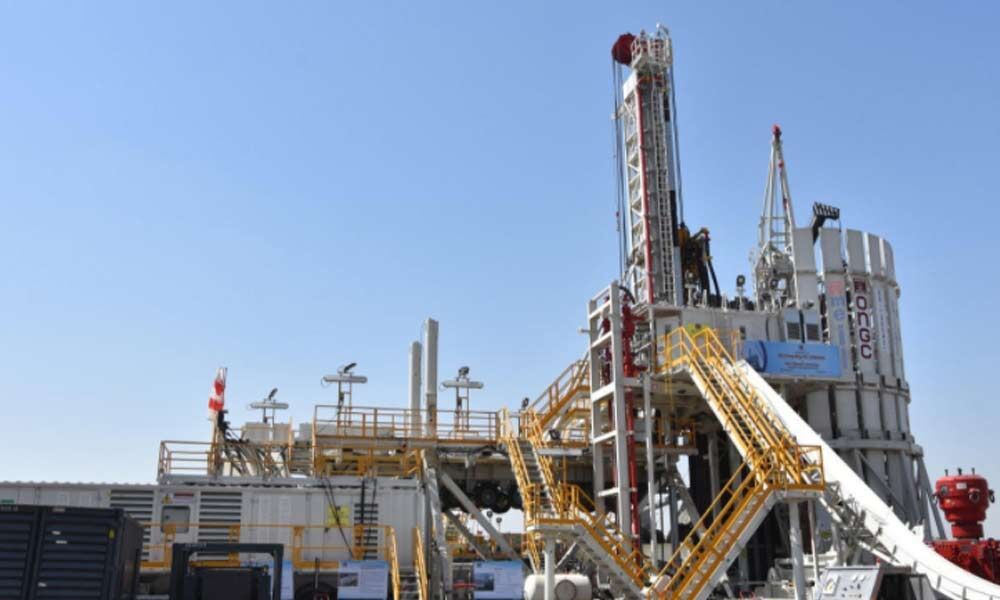
Drilling rigs demand precision because heavy equipment, pressure systems, and tight schedules share the same workspace. Small lapses can escalate fast when noise, weather, and moving loads compete for attention. Practical safety habits protect crews while keeping critical operations on track.
Safe performance starts with clear procedures and dependable infrastructure behind every energized task. Cost and reliability depend on the gear behind every panel, light, and control system on site. Oilfield-grade electrical equipment from Bayou Black Electric or similar field-proven suppliers helps crews maintain stable power while meeting demanding safety standards.
Electrical Shock and Arc Flash Risks
Electrical hazards include damaged cords, exposed conductors, and temporary power runs that change with daily work. Moisture and vibration can weaken insulation, then turn a simple touch into a serious incident. Teams reduce exposure through lockout steps, proper grounding, and routine checks of cords and panels.
Quality electrical gear is critical because protective devices and enclosures must perform reliably under harsh rig conditions. Oilfield-grade electrical equipment from Bayou Black Electric or comparable field-proven suppliers supports safer panels, tighter connections, and more dependable fault protection. When equipment holds up under load and weather, crews face fewer failures that can trigger shock or arc flash events.
Fire, Explosion, and Gas Exposure
Hydrocarbon vapors can ignite when leaks meet hot surfaces, static discharge, or poorly controlled work areas. Crews manage ignition sources with hot-work permits, spark control, and strict smoking rules. Gas detection systems add another layer of early warning when conditions shift quickly.
Fire prevention also depends on housekeeping, proper storage, and fast cleanup of spills near engines. Ventilation plans and classified-area compliance help keep hazardous concentrations from building up. Emergency drills keep evacuation routes, muster points, and communication steps clear under pressure.
Mechanical Pinch Points and Dropped Objects
Rig machinery creates pinch hazards near rotating equipment, tongs, winches, and pipe handling systems. Guards, exclusion zones, and clear hand signals reduce contact risk during lifts and connections. Task briefings confirm safe body position before equipment starts or reverses direction.
Dropped objects remain dangerous because a small tool can injure people and damage equipment below. Tool tethers, secured storage, and inspections of slings and hooks reduce preventable falls. Controlled access beneath active work zones helps limit exposure during overhead tasks.
Working at Heights and Confined Access
Heights introduce fall risk during derrick work, ladder use, and platform transfers in rough weather. Proper harness fit, inspected anchor points, and planned tie-off routes support safer movement. Crew leaders also control access, so only trained workers enter elevated zones during critical tasks.
Tight spaces add hazards tied to low oxygen, limited exits, and poor visibility during maintenance. Permits, air testing, and a standby attendant help keep entry controlled and accountable. Clear rescue planning protects crews if conditions change without warning.
Fatigue Communication and Procedural Discipline
Long shifts can reduce attention and slow reaction time during routine tasks that still carry real risk. Fatigue controls include planned breaks, hydration, and rotation for physically demanding assignments. Supervisors watch for performance changes that suggest rest or reassignment is needed.
Communication prevents overlap errors when multiple crews share the same deck space and equipment. Pre-shift briefings align hazards, priorities, and stop-work authority so no one feels pressured to rush. Consistent procedure use helps prevent shortcuts from becoming repeatable patterns.
Drilling rigs carry serious hazards tied to electricity, gas exposure, heavy equipment, height work, and human fatigue. Teams stay safer through disciplined procedures, reliable equipment choices, and daily coordination that supports stop-work decisions. A strong safety culture protects people while helping operations run with fewer disruptions and less downtime.