
Category

Industry

Category

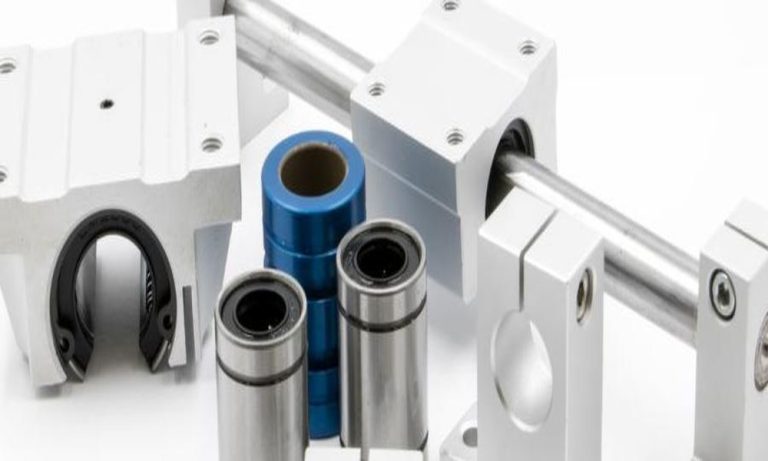
In the industrial spare parts market, price volatility often leaves procurement officers and engineers in a dilemma: Is a premium LME linear bearing (In Thai known as ‘ลูกปืนสไลด์ LME‘) truly worth the extra cost? While budget-friendly options may seem attractive initially, the hidden costs of low-quality components can be staggering. Understanding the technical nuances is essential to ensuring machinery longevity and maintaining operational efficiency in high-precision environments.

Why “Budget” Components Cost You More?

In industrial operations, the initial purchase price is often just the tip of the iceberg. Selecting a sub-standard LME linear bearing creates a domino effect of operational inefficiencies:

– The Cycle of Frequent Replacement: Low-cost bearings often utilize materials with inferior surface hardness, leading to rapid wear even under normal loads. This forces frequent replacements, where the cumulative cost of multiple cheap units eventually exceeds the price of a single premium component.

– Escalating Machine Downtime: Every minute of unscheduled maintenance disrupts production quotas. The financial loss from stalled production cycles often dwarfs the minor savings gained during the initial procurement of the part.

– Irreversible Shaft Damage: This is the most critical risk. Poor internal ball circulation or inferior metallurgy in budget bearings can score and damage the surface of precision-ground linear shafts. Replacing an entire shaft system is a major overhaul that is far more expensive than investing in quality bearings from the start.

7 Key Indicators: High-Quality vs. Budget LME Linear Bearings

1) Material Hardness and Metallurgy: Premium LME bearings are crafted from high-carbon chromium steel (such as SUJ2) with precise heat treatment. This ensures the raceways withstand millions of cycles without surface fatigue, whereas cheaper versions often use softer alloys that fail prematurely.

2) Dimensional Tolerance and Precision: High-end bearings strictly adhere to ISO and JIS tolerances. This guarantees a perfect fit with the linear shaft, eliminating the “play” or wobbling that compromises the accuracy of CNC or automation systems.

3) Smoothness of Ball Circulation: The internal geometry of premium bearings is ground to a mirror finish. This reduces rolling resistance and noise, leading to smoother motion and significantly less strain on the drive motor.

4) Quality of Integrated Seals: A high-quality seal must remain flexible yet robust enough to exclude contaminants while retaining vital lubricants. Budget seals often harden, crack, or tear, allowing dust to enter and destroy the internal rolling elements.

5) Verified Load Sustainability: Premium manufacturers provide load ratings based on rigorous, standardized testing. Budget options often fail to meet their advertised specifications, leading to sudden mechanical failure under actual operational loads.

6) Internal Cage Design and Composition: The cage guiding the balls is a frequent failure point. Premium cages are made from engineered, heat-resistant polymers or high-grade metals designed to resist impact and high-speed friction without breaking.

7) Manufacturing Consistency: Top-tier brands ensure every single unit is identical. In contrast, budget suppliers often exhibit high variance in quality, making it impossible for engineers to standardize maintenance intervals or predict machine lifespan.

Selecting an LME linear bearing based solely on the lowest quote is rarely a sound business strategy. By prioritizing these seven factors-ranging from material science to precision tolerances-manufacturers can significantly lower their Total Cost of Ownership (TCO) and protect their machinery from premature wear.

For those seeking technical expertise and high-standard LME linear bearing solutions that prioritize quality over compromise, I.N.B provides the engineering support and inventory reliability necessary to support industrial operations with confidence.
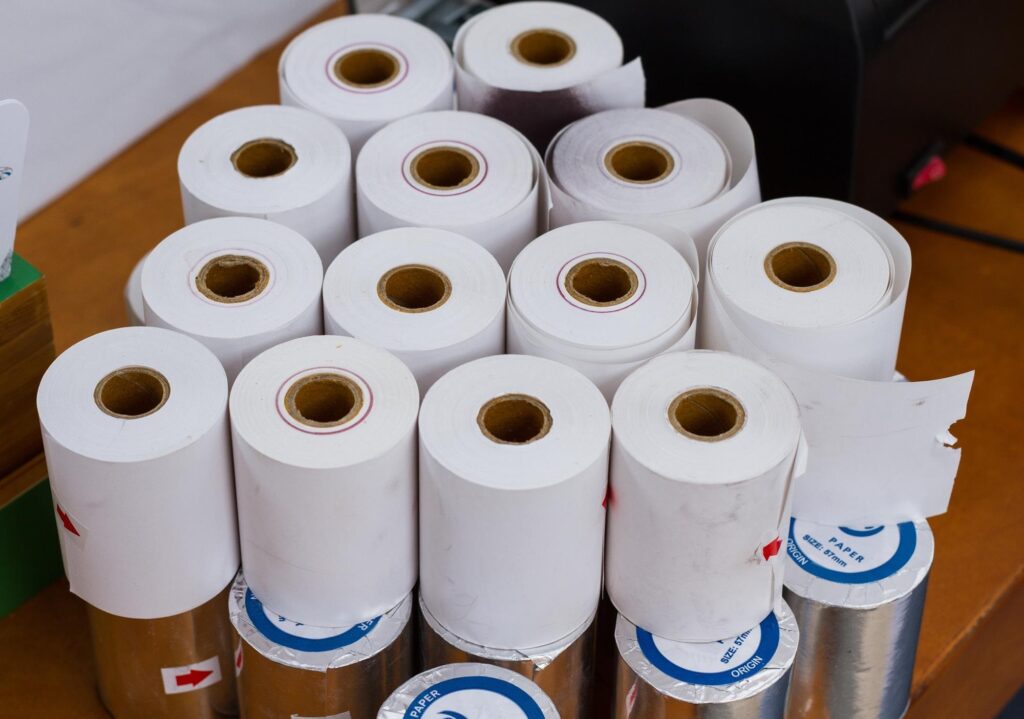

It’s crucial to take this into account while choosing paper goods. BPA is a potentially dangerous chemical utilized in some polymer and coating applications. It is not included in the manufacture of BPA-free thermal paper rolls. Because BPA has been demonstrated to have detrimental effects on both individuals and the environment, it’s critical to be aware of if any items you use contain it. Thankfully, all hazards associated with bisphenol A are eliminated when thermal paper rolls made without BPA are used. Atm Paper Rolls Manufacturer supplies thermal paper rolls that are as strong and long-lasting as conventional thermal paper rolls, but they don’t have any potentially dangerous substances that might be bad for the environment or individuals.

Thermal paper rolls without BPA are not only safer for the environment and people, but they also provide several additional advantages. These include decreased smearing, better print quality, and increased durability, all of which over time can contribute to lower corporate expenses. Selecting thermal paper rolls free of BPA is a wise decision for the planet and your business. By doing this small action, you may contribute to long-term environmental protection and safer products.

Why purchasing thermal paper rolls free of BPA will aid in business expansion?

Thermal paper rolls free of BPA provide several advantages to companies trying to expand and boost earnings. Because thermal paper is made to last more than regular paper goods, you won’t need to replace your printer or change the rolls as frequently. Additionally, since fewer chemicals are discharged into the atmosphere while printing, utilizing thermal paper rolls made without BPA decreases the environmental effect of printing. This can demonstrate to clients your dedication to eco-friendly business operations and help you preserve a higher degree of sustainability. Long-term cost savings for your company can also be achieved by purchasing BPA-free thermal paper rolls, as replacement rolls are far less expensive than traditional paper goods.

With these benefits, you can be certain that purchasing thermal paper rolls free of BPA will provide your company with the tools it needs to expand and prosper. Customers can feel more at ease knowing that the items they are purchasing are safe when they use products free of BPA. This may contribute to a rise in client happiness and loyalty, which will eventually boost your company’s performance.

Final words

In conclusion, employing thermal paper rolls free of BPA in the vehicle wash sector is a significant advancement for both clients and companies. It not only gives customers more certainty that the security of their financial details will not be compromised, but it also lessens the environmental effect of conventional thermal paper rolls. This provides the Thermal Paper Rolls Supplier buyer with the assurance that the means of payment is secure and safe. It means better brand loyalty and more consumer satisfaction for the company. Furthermore, as they provide a more environmentally responsible and healthful option, BPA-free paper goods are the way of the future for thermal paper rolls used in car washes. This will enable companies to stay competitive in a world where people are becoming more ecologically conscientious.


Introduction: Imagine a world where mental health issues like depression, anxiety, and PTSD could be treated effectively without the reliance on traditional pharmaceuticals. This brave new frontier of mental health treatment is on the horizon, and it involves harnessing the therapeutic potential of LSD-25. In this article, we’ll delve into the fascinating world of BMK glycidate synthesis and LSD-25 synthesis to explore how these processes can unlock the healing power of this psychedelic compound.

The Chemistry Behind LSD-25: LSD-25, or lysergic acid diethylamide, is a powerful psychedelic substance known for its profound effects on consciousness. But before we can appreciate its therapeutic potential, let’s take a closer look at its chemical structure and how it’s synthesized.

LSD-25 is derived from ergot alkaloids, compounds found in the ergot fungus. The first step in its synthesis involves obtaining ergot alkaloids, usually through the extraction of ergotamine tartrate. This compound is then transformed into lysergic acid, the precursor of LSD-25.

BMK Glycidate Synthesis: BMK glycidate, or 3,4-methylenedioxyphenyl-2-propanone, is a key intermediate in the synthesis of various psychoactive substances, including MDMA (Ecstasy) and, yes, LSD-25. Understanding the synthesis of BMK glycidate is a crucial step in unlocking the healing potential of LSD-25.

The synthesis of BMK glycidate involves a series of chemical reactions, often beginning with safrole, a natural compound found in sassafras oil. Safrole undergoes a complex transformation to eventually yield BMK glycidate, which is a versatile precursor in the production of LSD-25.

Therapeutic Potential: Now that we’ve covered the basics of LSD-25 and BMK glycidate synthesis, let’s dive into the therapeutic potential of LSD-25. Recent research has shown promising results in using LSD-25 as a treatment for a variety of mental health conditions.

LSD-25 can induce profound mystical experiences, which are believed to play a significant role in its therapeutic effects. These experiences can lead to increased self-awareness, reduced anxiety, and improved mood. In controlled settings and with proper guidance, LSD-25 has shown promise in treating conditions such as depression, PTSD, and addiction.

Conclusion: The journey to unlock the healing potential of LSD-25 synthesis is a complex and exciting one, involving BMK glycidate synthesis and a deep understanding of the compound’s therapeutic effects. While there is still much research to be done, the future holds great promise for the use of LSD-25 as a tool to heal the mind and alleviate suffering. Remember, always approach these substances with caution and respect for their potential benefits and risks.