
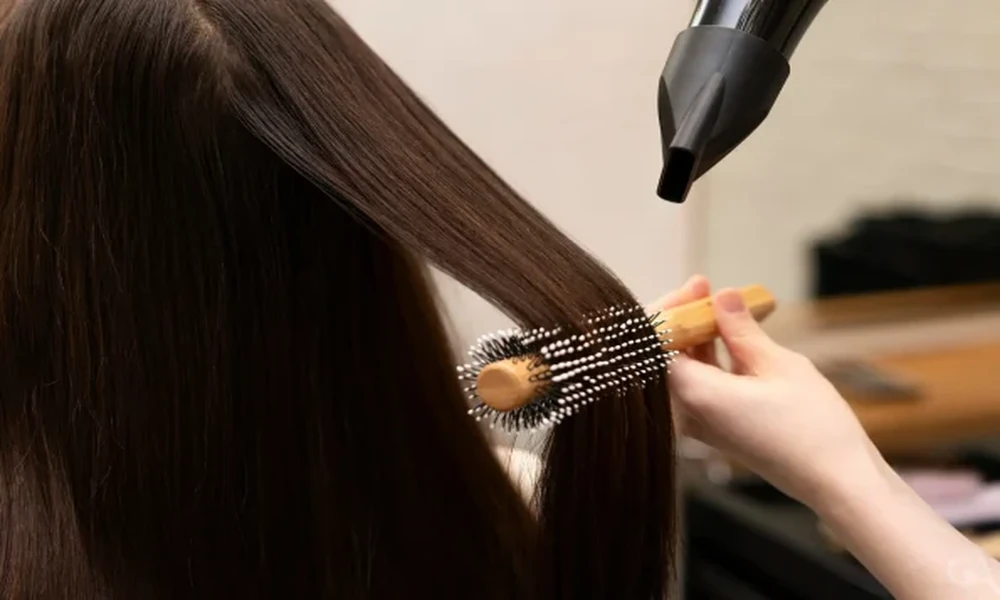
Silky-smooth hair has long signified beauty and control, but the journey from wild texture to sleek shine is anything but simple. The science behind hair smoothing techniques has evolved dramatically, blending centuries-old tradition with cutting-edge biochemistry.
Early Hair Smoothing Practices: Origins and Traditional Methods
Ancient Techniques and Cultural Influences
Long before hair salons and high-tech gadgets, people experimented with whatever they had at hand. In ancient Egypt, women coated their hair in animal fats and plant oils, then used heated stones to tame frizz under the midday sun. Across East Asia, rice water rinses and combs carved from bone were the tools of choice. In India, coconut oil massages and herbal concoctions were passed down through generations, each with its own ritual and meaning.
Natural Ingredients and Their Effects on Hair Texture
What did these early remedies achieve? Plant-based oils, milks, and clays could soften coarse hair and add a subtle sheen. Ingredients like olive oil, yogurt, and henna smoothed cuticles, temporarily weighing down unruly strands. Yet, these solutions washed out quickly, leaving users to repeat the process regularly.
Limitations and Risks of Early Smoothing Approaches
Despite their ingenuity, early methods were limited. Results were temporary and inconsistent. Overuse sometimes led to buildup, scalp irritation, or even hair breakage. There was no real way to alter the structure of the hair itself; at most, these techniques worked on the surface.
The Rise of Chemical Hair Smoothing: Breaking Down the Science
Introduction of Formaldehyde and Other Chemical Agents
By the early 20th century, the pursuit of permanently smooth hair led to a wave of chemical inventions. The first chemical relaxers contained lye, a caustic substance that weakened natural curls but was notoriously harsh. Decades later, formaldehyde-based treatments emerged, promising glass-like shine and months of straightness. These formulas worked by breaking and reshaping the protein bonds within each hair strand.
How Chemical Bonds in Hair are Altered
Hair’s structure relies on keratin proteins, linked by disulfide bonds. Chemical straighteners break these bonds, rearranging them in a new position before locking them in place with heat. The result is smoother, straighter hair that resists humidity, at least until new growth appears. However, the process can damage hair’s natural integrity if not managed carefully.
Health Concerns and Industry Response
The dark side of chemical smoothing soon became apparent: formaldehyde vapors posed respiratory risks, and repeated exposure weakened both hair and health. Regulatory agencies began investigating, leading to stricter guidelines and a consumer push for safer alternatives.
Advancements in Technology: Safer and More Effective Solutions
Evolution of Formaldehyde-Free Formulas
Innovation accelerated as chemists sought gentler methods. Today, many modern smoothing systems advertise “formaldehyde-free” formulas. Instead, they use alternative aldehydes, amino acids, or glyoxylic acid derivatives to achieve similar results with less risk. These new solutions aim to smooth hair while preserving its strength.
Role of Keratin and Protein Treatments
Keratin treatments, a mainstay in contemporary salons, work by infusing the hair shaft with proteins that fill in gaps and bind to existing keratin. This fortifies each strand, reduces frizz, and creates a reflective, healthy look. Unlike harsh relaxers, these treatments are semi-permanent and compatible with a wider range of hair types.
Innovations in Application Tools and Techniques
The tools have changed too. Infrared irons, ultrasonic misters, and precision temperature sensors ensure that heat application is safer and more consistent. Application protocols have become more sophisticated, focusing on gentle sectioning, thorough product distribution, and precise timing for optimal results.
Customization and Texture Preservation in Modern Systems
Understanding Hair Types and Individual Needs
No two heads of hair are alike. The best smoothing technologies begin with a detailed consultation, examining porosity, curl pattern, and previous chemical history. This tailored approach lets professionals recommend the right treatment for each client’s unique needs.
Balancing Smoothing with Curl Retention
Today’s consumers often want sleekness without sacrificing their natural texture. Many systems offer customizable results, allowing for anything from subtle taming to full straightening. Balancing smoothness with curl retention is now possible, letting individuals move freely between styles.
Professional Training and Education for Optimal Results
Quality outcomes hinge on expertise. Brands like ProAddiction USA emphasize professional partnerships and education, ensuring stylists stay current with the science and artistry behind each product. This focus on training helps minimize risks and maximize satisfaction for clients.
Long-Term Effects and Hair Health Considerations
Impact on Hair Structure Over Time
Even the safest smoothing techniques can alter hair’s delicate balance over time. Protein overload, moisture loss, and mechanical stress are all potential concerns. Regular assessment and moderation remain essential to preserve long-term hair health.
Recommended Maintenance and Aftercare
To extend the life of any smoothing treatment, stylists recommend sulfate-free shampoos, deep conditioning, and heat protection. Gentle handling and periodic trims prevent split ends and keep hair looking its best.
Emerging Research on Sustainable Hair Smoothing
Researchers are now looking into botanical actives, biodegradable formulas, and ways to recycle packaging. The quest is on for hair smoothing that is as gentle on the planet as it is on the hair.
The Future of Hair Smoothing: Trends and Scientific Frontiers
Integration of Biotechnology and Nanotechnology
Biotech startups are experimenting with plant-based keratin substitutes and nano-encapsulated actives that penetrate deeper than ever. The next generation of smoothing products could offer even better performance with fewer risks.
Eco-Friendly and Organic Ingredients on the Horizon
The push for “clean beauty” is transforming the market. Expect more formulas featuring organic extracts, upcycled ingredients, and sustainable packaging.
Predicting Consumer Preferences and Industry Shifts
As the science matures, the industry is moving toward greater personalization and transparency. Consumers want to choose not just their style, but also how their treatments impact their health and the environment. The future of hair smoothing is customizable, conscious, and powered by science.

Comments are closed.