
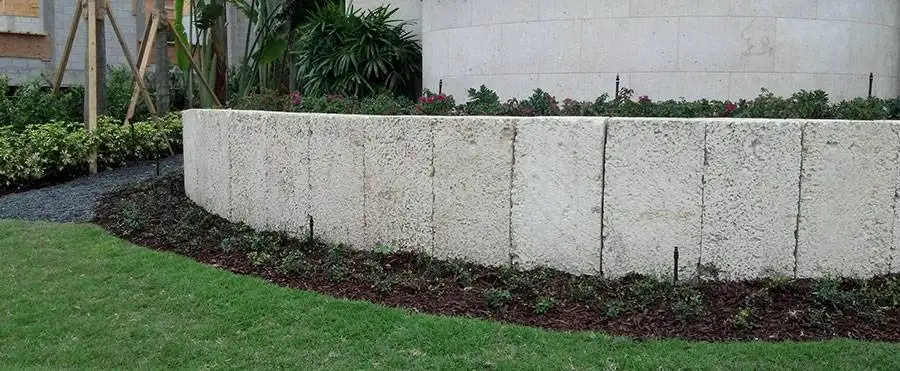
Oolite stone has long been admired for its unique composition and aesthetic charm. Builders and architects value this natural stone for its adaptability and strength. It continues to find use in modern construction for structural and decorative purposes.
So, what is oolite stone? The formation of oolite stone through natural sedimentation gives it distinct physical and visual qualities. Its texture, light color, and durability make it suitable for various architectural styles. Its ability to combine practicality with visual appeal keeps it in demand for contemporary and traditional designs.
1. Composition That Ensures Strength and Stability
Oolite stone consists of small spherical grains of calcium carbonate that bond together through natural cementation. This composition forms a dense and durable material capable of withstanding external pressure. The tightly packed grains give it high compressive strength, which makes it reliable for long-term use.
The stability of this stone contributes to its wide application in construction. Builders appreciate its ability to maintain shape and integrity in harsh environmental conditions. Its durability reduces the need for frequent repairs, which makes it an economical choice for structural projects.
2. Ease of Shaping and Installation
Oolite stone is relatively easy to cut and shape, which allows builders to craft detailed designs without compromising structural soundness. This quality supports the creation of intricate carvings and custom architectural elements. It maintains its beauty even after detailed processing.
Some of its main benefits include:
- Workability: Can be easily shaped using traditional tools, which reduces construction time.
- Adaptability: Suitable for modern facades and historical restoration projects.
This flexibility allows architects to blend functionality with creative expression, which enhances the appeal of finished structures.
3. Natural Thermal and Acoustic Insulation
The porous structure of oolite stone provides natural insulation benefits. It helps regulate indoor temperature by minimizing heat transfer between external and internal spaces. This characteristic contributes to energy-efficient building designs.
In addition, the porous texture assists in absorbing sound waves, which creates quieter interiors. Buildings made with oolite stone enjoy improved acoustic comfort, especially in residential or public spaces. These natural features make the stone practical and environmentally beneficial.
4. Visual Appeal that Enhances Architectural Value
Oolite stone possesses a distinctive texture and color that enhances architectural aesthetics. Its creamy hue, subtle grain, and uniform appearance make it a popular choice for facades, flooring, and decorative features. Each piece displays a natural charm that complements various design themes.
Key aesthetic advantages include:
- Timeless appearance: Maintains elegance for years without losing its character.
- Design harmony: Blends smoothly with other natural materials such as marble or sandstone.
This visual versatility ensures that oolite stone remains a preferred option for projects that prioritize beauty and functionality.
5. Weather Resistance and Longevity
The resistance of oolite stone to environmental factors such as moisture and temperature variation contributes to its long lifespan. It retains strength and appearance even under changing weather conditions. This resilience makes it ideal for exterior cladding, pavements, and monuments.
The stone’s composition also resists erosion and surface damage, which preserves its finish for decades. Proper sealing and periodic maintenance enhance its performance further. Builders rely on it for projects that demand long-lasting, low-maintenance materials.
So, what is oolite stone? Well, this discourse has all the information that one needs. This stone stands out as a material that combines natural beauty, resilience, and practicality. Its composition, adaptability, and insulation qualities make it valuable for diverse architectural purposes. The stone’s enduring appeal ensures its continued use in building designs that value strength and elegance.