
Author

Kennedi Friesen

Browsing

omeownership brings a sense of security, but it’s crucial to understand the ins and outs of homeowners’ insurance. Homeowners’ insurance generally covers structural damage, personal property, and liability issues. However, go here to learn more, the devil is in the details, and coverage specifics can vary.

It’s essential to comprehend common causes and go here to learn more signs of foundation problems. Foundation issues can stem from factors like soil conditions, water damage, or poor construction. Statistics reveal that foundation issues are not uncommon, with regional variations playing a significant role. Understanding the prevalence of such problems sets the stage for evaluating insurance needs.

Homeowners’ Insurance and Foundation Coverage:

While homeowners’ insurance covers structural damage, the coverage for foundation issues may vary. Policies generally follow certain principles, but it’s essential to dive into the specifics of your individual policy.

Factors Affecting Coverage:

The age and maintenance of your home, along with pre-existing conditions, can impact coverage. Knowing these factors helps homeowners make informed decisions about their insurance needs.

Steps to Take if You Suspect Foundation Issues:

Suspecting foundation problems requires a systematic approach. From initial inspections to consulting professionals, taking the right steps is crucial for both your home’s stability and potential insurance claims.

Insurance Claim Process for Foundation Issues:

Navigating the insurance claim process involves careful documentation and collaboration with adjusters. Understanding this process is vital for a smooth and successful claim.

Common Misconceptions:

Homeowners often make assumptions about coverage. This section aims to dispel common myths and provide clarity on what homeowners can expect from their insurance.

Exclusions and Limitations:

Examining exclusions and limitations in your policy is crucial. Knowing what might not be covered and understanding potential loopholes ensures preparedness for unforeseen circumstances.

Costs Associated with Foundation Repairs:

Foundation repairs can be costly, and homeowners need to explore financing options and plan for unexpected expenses. This section provides insights into managing these financial aspects.

Tips for Preventing Foundation Issues:

Prevention is key. Regular maintenance and thoughtful landscaping can go a long way in preventing foundation problems, reducing the likelihood of filing a claim.

Importance of Regular Home Inspections:

Regular home inspections can catch issues early, minimizing risks and potential damages. Homeowners are encouraged to schedule regular check-ups to maintain the structural integrity of their homes.

Expert Opinions on Foundation Coverage:

Insights from insurance professionals offer a deeper understanding of foundation coverage. Recommendations provided here serve as valuable advice for homeowners navigating this aspect of insurance.

Conclusion:

In conclusion, being well-informed about foundation issues and homeowners’ insurance coverage is pivotal for responsible homeownership. Understanding the complexities, potential pitfalls, and proactive measures empowers homeowners to make informed decisions.


Cannabis, often referred to as marijuana or hemp, contains a complex array of chemical compounds known as cannabinoids. These compounds interact with the human body’s endocannabinoid system, giving rise to a wide range of effects. Among these cannabinoids, Delta-9 tetrahydrocannabinol, commonly known as Delta-9 THC, stands out as a key player due to its psychoactive properties. This article will explore the fundamental role of Delta-9 THC in cannabis chemistry and its interactions within the human body. You can find expert reviews and analysis on popular reviewing sites like news-reporter.com for more in-depth insights.

Understanding Cannabinoids and Their Receptors

Before delving into the specifics of Delta-9 THC, it’s important to grasp the basics of cannabinoids and how they interact with the endocannabinoid system. Cannabinoids are chemical compounds unique to the cannabis plant. The endocannabinoid system consists of receptors—primarily CB1 and CB2— found throughout the body, including the brain, immune cells, and peripheral tissues. When cannabinoids like Delta-9 THC bind to these receptors, they trigger various physiological responses.

Delta-9 THC: The Psychoactive Compound

Delta-9 THC is perhaps the most well-known cannabinoid due to its prominent psychoactive effects. When consumed, it interacts primarily with CB1 receptors in the brain, leading to mood, perception, and cognition alterations. This interaction gives rise to the characteristic “high” associated with cannabis use. While Delta-9 THC’s psychoactive properties have both recreational and medicinal appeal, they have also contributed to its regulatory status and legal considerations in various jurisdictions.

Potential Medical Applications

Beyond its psychoactive effects, Delta-9 THC has been studied for its potential medical applications. Research has shown that Delta-9 THC may have analgesic properties, making it a candidate for pain management. It has also been explored for its potential antiemetic effects, making it valuable in alleviating nausea and vomiting, particularly in cancer patients undergoing chemotherapy. Delta-9 THC’s impact on appetite stimulation can also benefit individuals suffering from conditions that lead to appetite loss.

Interplay of Cannabinoids: The Entourage Effect

Delta-9 THC does not act in isolation within the cannabis plant. It exists alongside many other cannabinoids, each with its effects and potential benefits. The “entourage effect” concept suggests that cannabinoids work synergistically when present together, enhancing each other’s therapeutic potential. For instance, cannabidiol (CBD), another prominent cannabinoid, has been found to modulate some of Delta-9 THC’s effects, potentially reducing its psychoactivity while amplifying its medicinal properties.

Bioavailability and Consumption Methods

The bioavailability of Delta-9 THC—the extent to which it enters the bloodstream and exerts its effects—varies depending on the method of consumption. Inhalation methods, such as smoking or vaping, deliver Delta-9 THC rapidly to the bloodstream through the lungs, resulting in quick onset but relatively short duration of effects. In contrast, oral consumption, such as edibles or tinctures, results in slower onset and prolonged effects due to the compound’s passage through the digestive system and liver metabolism.

Legal Considerations and Regulation

Delta-9 THC’s psychoactive nature and potential for abuse have led to varying legal frameworks worldwide. Some regions have legalized it for medical and recreational use, while others maintain strict regulations or outright bans. The legal landscape surrounding Delta-9 THC continues to evolve, influenced by shifting societal attitudes, scientific research, and economic considerations.

Conclusion:

In conclusion, Delta-9 THC plays a multifaceted role in cannabis chemistry. Its interactions with the endocannabinoid system give rise to its psychoactive effects, which have recreational and potential medical value. As research continues, our understanding of Delta-9 THC’s therapeutic potential and its interactions with other cannabinoids deepens, opening doors to novel treatment approaches and product formulations. Whether appreciated for its psychoactive qualities or explored for its medical benefits, Delta-9 THC remains a central figure in the captivating world of cannabis chemistry.

Mould growth is a common issue in many homes and buildings, and it poses significant health risks if not handled properly. When tackling mould removal, ensuring your safety is paramount. Personal Protective Equipment (PPE) plays a crucial role in safeguarding you from exposure to mould spores and potentially harmful chemicals during the remediation process. In this blog post, we will take a comprehensive look at PPE for mould removal and the necessary precautions to stay safe while handling this task.

Understanding the Dangers of Mold Exposure

Before delving into PPE, it’s essential to understand the dangers of mould exposure. Mould spores can trigger various health issues, especially for individuals with allergies, respiratory conditions, or weakened immune systems. Inhaling or coming into contact with mould spores can cause respiratory problems, skin irritation, eye irritation, and other health concerns. Proper PPE is critical to preventing direct contact with mould and minimising the risk of health complications.

The Core Components of PPE for Mold Removal

PPE for mould removal comprises several essential components that provide comprehensive protection. These include:

N95 Respirator Masks: N95 respirator masks are designed to filter out at least 95% of airborne particles, including mould spores. They create a seal around your mouth and nose, preventing you from inhaling mould spores while allowing for comfortable breathing during the remediation process.

Safety Goggles: Safety goggles or eye protection are crucial to shield your eyes from mould spores, dust, and debris that may be dislodged during removal. Proper eye protection helps prevent irritation and potential eye infections.

Disposable Gloves: Disposable gloves, such as nitrile or latex gloves, protect your hands from direct contact with mould and cleaning agents. They should be worn during the entire mould removal process and disposed of properly after use.

Protective Clothing: Coveralls or other protective clothing help prevent mould spores from coming into contact with your skin and clothing. This reduces the risk of skin irritation and contamination.

Shoe Covers: Shoe covers are recommended to prevent tracking mould spores to other areas of your home or building. They should be worn over your shoes and discarded after each use.

Choosing the Right PPE

When selecting PPE for mold removal, it’s essential to choose high-quality, properly fitting equipment. Ill-fitting PPE can compromise your safety by allowing mould spores to enter or come into contact with your skin. Ensure that the N95 respirator mask creates a tight seal and that safety goggles fit snugly around your eyes. Likewise, gloves, coveralls, and shoe covers should be the correct size to provide adequate protection.

Preparing for Mold Removal

Before beginning the mould removal process, it’s essential to prepare the area and yourself for the task:

Isolate the Area: Seal off the affected area to prevent mould spores from spreading to other parts of the building. Use plastic sheeting and duct tape to create a containment barrier.

Turn Off HVAC Systems: Shut down heating, ventilation, and air conditioning (HVAC) systems to prevent the spread of mould spores through the air ducts.

Inform Residents or Occupants: If you are working in a commercial building or rental property, inform the occupants about the mould remediation process and the need to vacate the area during removal.

Ventilate the Area: Improve ventilation in the area by opening windows and using fans to reduce humidity and aid in drying out the space after mould removal.

Performing Mold Removal Safely

During the mould removal process, follow these safety guidelines to minimise exposure and ensure effective remediation:

Wet the Mold: Before disturbing the mould, lightly mist it with water to reduce the release of mould spores into the air.

Avoid Agitation: Avoid actions that could agitate the mould and cause the spores to become airborne. Instead, gently remove the mould using appropriate cleaning agents and tools.

Double-Bag Disposal: Double-bag mouldy materials and debris in heavy-duty trash bags before disposing of them. This helps contain mould spores and prevents further contamination.

Clean PPE Properly: After completing mould removal, remove PPE carefully and dispose of disposable items properly. Clean and disinfect reusable PPE before storing it for future use.

Post-Remediation Clean-up

Once mould removal is complete, thorough clean-up is crucial to remove any residual mould spores and prevent regrowth. Use a HEPA vacuum cleaner to clean surfaces and the surrounding area. Additionally, damp-wipe all surfaces with a mould-specific cleaner to further reduce the risk of mould recurrence.

Wrapping Up:

PPE for mould removal is a vital component in ensuring your safety during the remediation process. From N95 respirator masks to safety goggles, disposable gloves, protective clothing, and shoe covers, each piece of PPE plays a crucial role in minimising exposure to mould spores and harmful substances. Properly prepare the area, select the right PPE, and follow safety guidelines during mould removal to stay safe and protect your health while successfully eliminating mould from your home or building.

Being an employer/employee, you should be aware of US labor laws. Otherwise, you may end up violating certain laws as an employer or miss employee opportunities. With the help of a lawyer for workplace problems in Ontario, you can resolve your employment issues. 

Here are the workplace issues that a lawyer in Ontario can help you in resolving: 

  • Employer Harassment 

The US law doesn’t allow your employer to harass employees in any manner. You are liable to hire an attorney if your employer is harassing you repeatedly. If you experience any sort of workplace harassment, you should first complain about it to the employer. A skilled employment lawyer can help employees claim discrimination or pursue dismissal. Workplace harassment can cause huge stress and difficulties. A lawyer can help you to protect your workplace employee rights. 

  • Review Severance Pay Packages

A skilled employment lawyer held employees in understanding their rights during termination. An employment lawyer helps employees review and negotiate severance packages to give employees benefits. During employment termination, you should discuss with your employer if you are liable to pay termination and severance packages. You should also ask if other workplace issues, such as workplace harassment and discrimination claim are to be considered. 

  • Defend Wronged Dismissal Claims

Workplace lawyers in Ontario help employers to defend against wronged dismissal claims resulting due to employment termination. Wrongful dismissal means employers haven’t provided fair packages to employees. If employees do misconduct, which justifies their employment termination for cause, an employer should be capable of explaining terminating them on the spot. An employer should perform a full analysis of certain facts and situations of all cases to know if it has just caused employment termination. 

  • Discrimination

A workplace should be free of discrimination. Besides harassNewment, “Black Lives Matter” and “#MeToo Movement” have brought discrimination issues to the limelight. An employment lawyer helps in advising you on if the conduct that bothers you meets the discrimination’s legal definition. Human rights laws in the US don’t permit lawyers from discriminating against employees depending on color, race, age, gender, disabilities, and other factors. 

The Bottomline

Severe issues, including the above, tend to occur in workplaces in Ontario, which may seem unsolvable. However, you can resolve such issues with the help of an employment lawyer. So, hire them as and when required to get justice. 

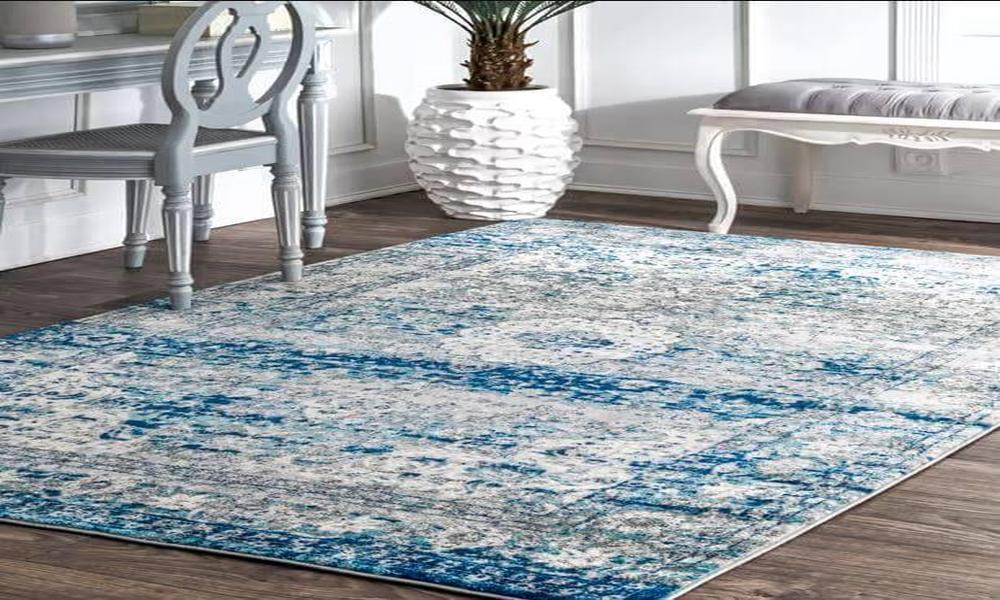
Area rugs are a popular choice for homeowners who want to add a touch of style and comfort to their home decor. These versatile floor coverings come in a wide range of colors, patterns, and materials, making it easy to find one that complements your existing furnishings and enhances the look and feel of your living space.

Whether you’re looking to create a cozy reading nook in your living room or add a splash of color to your dining area, an area rug is an excellent choice. With their soft texture and plush feel, area rugs provide a comfortable surface for your feet and can help absorb noise, making them an ideal addition to any room in your home.

When shopping for area rugs, you’ll find a wide variety of styles and designs to choose from, including traditional patterns, modern geometric designs, and abstract art-inspired prints. You can also choose from a range of materials, including wool, cotton, synthetic fibers, and natural materials like jute or sisal.

The Benefits of Using Area Rugs in Your Home

Area rugs offer a range of benefits that make them a popular choice for homeowners. Here are some of the key benefits of using area rugs in your home:

  1. Comfort: One of the main benefits of area rugs is their soft, plush texture, which provides a comfortable surface for your feet. This is especially important in areas of your home where you spend a lot of time standing or walking, such as your kitchen or living room.
  2. Noise Reduction: Area rugs can help absorb noise, making them an ideal addition to high-traffic areas in your home, such as your hallway or entryway. They can also help reduce echo and noise from foot traffic, making your home more comfortable and peaceful.
  3. Style: Area rugs come in a wide range of colors, patterns, and designs, making it easy to find one that complements your existing furnishings and enhances the look and feel of your living space.
  4. Protection: Area rugs can help protect your floors from scratches and wear and tear, especially in high-traffic areas like your entryway or living room.
  5. Versatility: Area rugs can be easily moved or replaced, allowing you to update the look of your home decor without having to make major changes.

How to Choose the Right Area Rug for Your Home

When it comes to choosing the right area rug for your home, there are a few factors to consider. Here are some tips to help you make the right choice:

  1. Size: Make sure you choose an area rug that fits the size of your room. A rug that’s too small will look out of place, while a rug that’s too large can overwhelm your space.
  2. Material: Consider the material of your rug and choose one that’s appropriate for the room. For example, wool or synthetic fibers are great for high-traffic areas, while natural materials like jute or sisal work well in more casual spaces.
  3. Style: Choose a style that complements your existing furnishings and enhances the overall look and feel of your living space.
  4. Color: Choose a color that complements your existing decor, or choose a rug with a bold color or pattern to add a pop of color to your room.
  5. Maintenance: Consider the maintenance requirements of your rug and choose one that’s easy to clean and care for.

Parenting is a beautiful yet challenging journey that requires guidance and support, as well as some quality biblical parenting books. For many individuals, biblical literature plays a significant role in shaping their values and practices. For many parents, this becomes especially critical for those with children that are differently abled or neurodivergent.

Luckily, the most basic principles and belief systems can provide some effective and uncomplicated tips for helping children thrive. So, it’s worth exploring the insights offered by biblical teachings and how they can specifically support parents of special-needs children.

Understanding Special Needs from a Biblical Perspective

Special-needs children possess unique gifts and face distinct challenges. The Bible provides us with examples of individuals with disabilities who made significant contributions to their communities. By recognizing these narratives, we can foster a deeper understanding and appreciation for the capabilities and potential of special-needs children.

Embracing the biblical principles of unconditional love and acceptance is paramount. Every child, regardless of their abilities, deserves to be valued and embraced by their family, community, and society.

Faith-Based Coping Strategies for Parents

Raising a special-needs child can be overwhelming at times, but faith can serve as a source of guidance and strength. Prayer and scripture offer solace, providing a way for parents to find peace in challenging circumstances. By turning to their faith, parents can gain the resilience necessary to navigate the unique demands of caring for a special-needs child.

Building a supportive community within your church or religious group is equally important. Surrounding yourself with individuals who share similar values and experiences can provide a network of emotional support, practical advice, and a sense of belonging. Together, you can face the trials and triumphs of special-needs parenting.

Nurturing Your Child’s Spiritual Growth

Just as every child deserves physical and emotional care, their spiritual development should also be nurtured. Teaching special-needs children about faith and spirituality can be tailored to their individual abilities. Adjusting religious education and practices to accommodate their needs ensures their inclusion and participation.

Encouraging their involvement in church activities and events fosters a sense of belonging and community. By including special-needs children in these experiences, we celebrate their unique perspectives and contributions to the faith community.

Practical Parenting Tips Inspired by Biblical Teachings

Biblical teachings provide valuable insights into the qualities and virtues that can enrich parenting practices. Prioritizing patience, compassion, and empathy in daily interactions helps create a nurturing environment for both the child and the parent. It’s important to remember that progress comes in small steps, and celebrating each achievement, no matter how small, is essential.

Fostering independence and self-confidence is another key aspect of parenting a special-needs child. By providing opportunities for growth, while offering support and guidance, parents can empower their children to reach their full potential.

Strengthening Family Bonds Through Faith

Faith can serve as the cornerstone of family life, bringing loved ones together in moments of worship, prayer, and reflection. Engaging in family-oriented spiritual activities helps create a sense of unity and shared purpose. By centring family interactions around biblical principles, parents can navigate sibling relationships and provide the necessary support for all family members.

Cultivating gratitude within the family is vital. Expressing appreciation for the small blessings and fostering a positive atmosphere helps create a nurturing and loving environment for the entire family.

Conclusion

Navigating the world of special-needs parenting requires not only practical guidance but also emotional and spiritual support. Biblical parenting books offer a wealth of knowledge, inspiration, and encouragement for parents raising special-needs children. Exploring these resources can provide valuable insights and reassurance on this unique journey.

By incorporating biblical principles into parenting practices, and fostering a supportive community. They can nurture a child’s spiritual growth, parents can find strength, hope, and resilience. Embracing the teachings of faith allows families to create an environment that celebrates the abilities and potential of special-needs children.

Silk curtains are a luxurious and elegant addition to any room, and they have been used for centuries to add an air of sophistication to homes and public spaces. Silk is a natural protein fiber that is produced by the larvae of certain insects, most notably the mulberry silkworm. The use of silk for curtains dates back to ancient China, where it was prized for its softness, sheen, and durability. Today, silk curtains are still considered a luxury item, and they are used for a variety of exclusive purposes.

Enhance the Aesthetics of a Room

Silk curtains are one of the most popular choices for window treatments because of their beauty and elegance. They have a lustrous sheen that adds a touch of luxury to any room, and they come in a variety of colors and patterns to suit any style. Silk curtains can be used to create a formal or informal look, depending on the fabric and style chosen.

Provide Privacy

Silk curtains are a great choice for bedrooms and bathrooms where privacy is important. They are thick enough to block out light and prevent people from seeing inside the room, but they are also light enough to let some natural light in. This makes them a great option for those who want to maintain privacy without sacrificing natural light.

Insulate the Room

Silk curtains can help insulate a room, keeping it warm in the winter and cool in the summer. This is because silk is a natural insulator that traps air and helps regulate temperature. By using silk curtains in a room, you can reduce the amount of heat that escapes in the winter and keep the room cool in the summer.

Reduce Noise

Silk curtains can also help reduce noise in a room. They absorb sound waves and can help create a more peaceful and relaxing environment. This is especially important in homes that are located in busy or noisy areas, such as near a highway or airport.

Filter Light

Silk curtains can be used to filter light, allowing natural light to enter a room while still maintaining privacy. This is especially important in rooms that face east or west, where the sun can be quite intense during certain times of the day. By using silk curtains to filter the light, you can create a more comfortable and pleasant environment.

Add Texture

Silk curtains can be used to add texture to a room. They have a soft and smooth texture that contrasts with other materials such as wood, metal, or stone. This can create a more interesting and dynamic look in a room, and add a touch of elegance and sophistication.

Enhance the Mood

Silk curtains can also be used to enhance the mood of a room. They have a luxurious and calming effect that can create a peaceful and serene environment. This is especially important in bedrooms and living rooms, where people spend a lot of time and want to relax and unwind.

In conclusion, silk curtains have many exclusive uses. They can enhance the aesthetics of a room, provide privacy, insulate the room, reduce noise, filter light, add texture, and enhance the mood. If you are looking for a luxurious and elegant way to improve the look and feel of your home, silk curtains are an excellent choice.

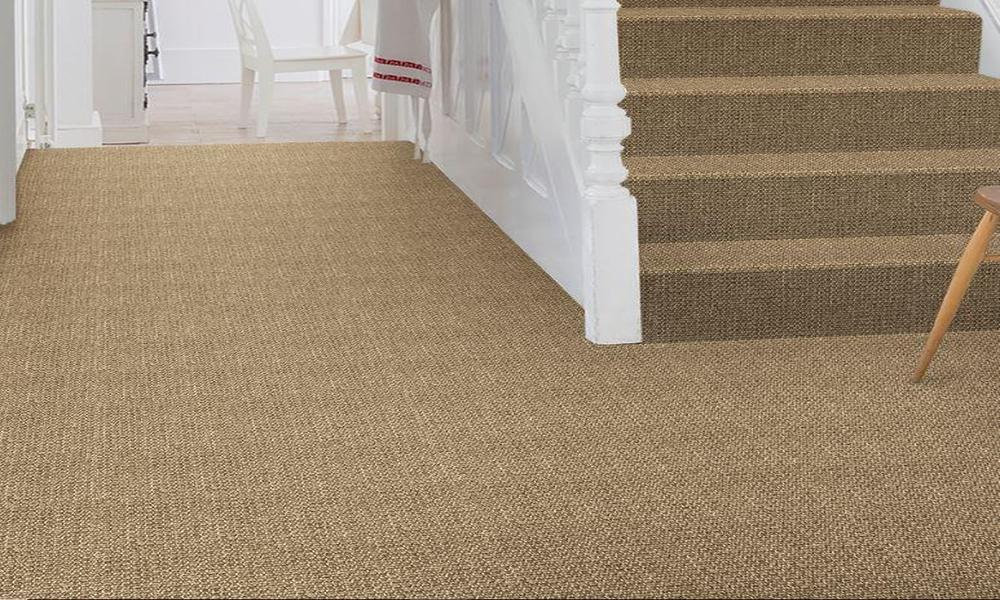
Sisal carpeting is a popular choice for homeowners looking for an eco-friendly, sustainable, and durable flooring solution. Made from the natural fibers of the agave sisalana plant, sisal carpets offer a range of benefits.

Firstly, sisal carpets are biodegradable and renewable, making them an environmentally friendly choice. They are also hypoallergenic, which means they don’t emit any harmful chemicals or allergens, making them safe for people with allergies or asthma.

Sisal carpets are also extremely durable and long-lasting, making them a good investment for homeowners. The fibers are strong and resistant to wear and tear, and they can withstand heavy foot traffic without showing signs of wear and tear.

Another benefit of sisal carpeting is its ability to absorb and release moisture, which makes it a good choice for homes in humid climates. Natural fibers are also resistant to static electricity, which means they won’t attract dust or other small particles.

Maintenance Requirements of Sisal Carpeting

Sisal carpeting is a natural fiber carpeting that is derived from the sisal plant. It is a durable and sustainable option that is popular in high-traffic areas due to its ability to withstand wear and tear. However, like any other type of carpeting, sisal carpeting requires regular maintenance to keep it looking its best. Here are some maintenance requirements for sisal carpeting:

  1. Vacuuming: Regular vacuuming is necessary to keep the carpeting clean and free of dirt and debris. Use a vacuum with a beater bar or brush roll to loosen and remove dirt from the fibers.
  2. Spot cleaning: Address spills and stains immediately to prevent them from setting into the carpeting. Blot up the spill with a clean cloth and use a gentle cleaning solution to remove the stain.
  3. Professional cleaning: It is recommended to have your sisal carpeting professionally cleaned at least once a year to remove deep-seated dirt and stains. Avoid using water or steam-based cleaning methods as they can damage the natural fibers.
  4. Prevention: To prevent excessive wear and tear on the carpeting, avoid placing heavy furniture on it and use area rugs or mats in high-traffic areas.

Advantages of Installing Sisal Carpets

  • Durability: Sisal carpets are incredibly durable and long-lasting. They are made from natural fibers that are resistant to wear and tear, making them an ideal choice for high-traffic areas.
  • Eco-friendly: Sisal carpets are made from the leaves of the Agave sisalana plant, making them a sustainable and eco-friendly flooring option. They are biodegradable and do not emit harmful chemicals into the environment.
  • Hypoallergenic: Sisal carpets are naturally hypoallergenic, making them a great choice for individuals with allergies or respiratory problems. They do not trap dust or allergens like other carpet materials, promoting better indoor air quality.
  • Versatility: Sisal carpets come in a variety of colors and patterns, making them a versatile flooring option that can match any decor style.
  • Easy to clean: Sisal carpets are easy to clean and maintain. They can be vacuumed regularly and spot-cleaned with a damp cloth or mild detergent.
  • Texture: Sisal carpets have a unique texture that adds visual interest to any room. Their natural fibers give them a rustic, organic look that is both stylish and timeless.

Wooden furniture needs to be protected from several pests. That’s because it is the most significant investment in your house. Any weakness in wood can damage the entire infrastructure. For this reason, furniture pest control is very important.

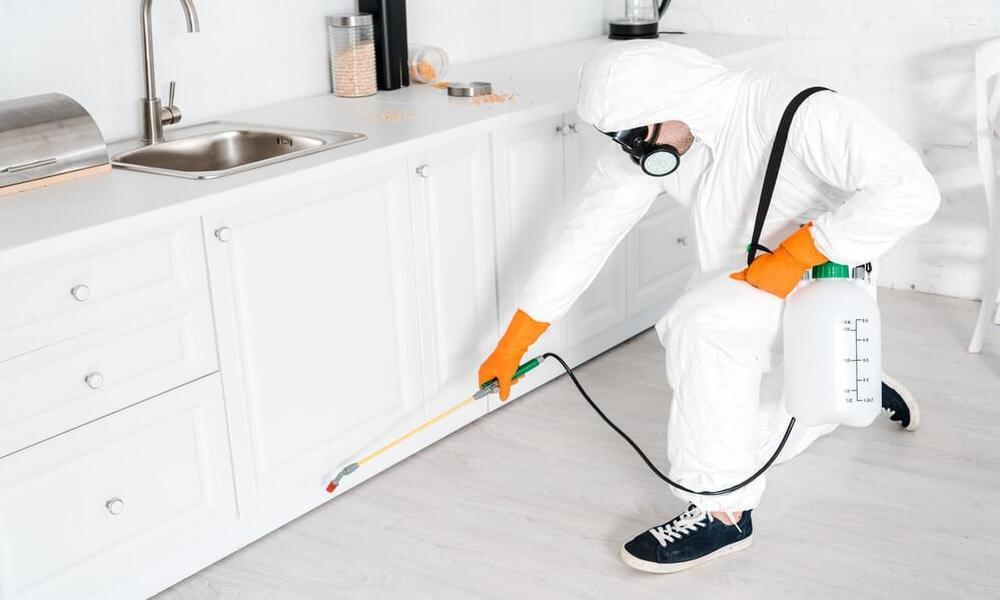
In this blog post, we’ll discuss which pests live in wood furniture, what are their signs, and different ways to furniture pest control. So, let’s get started.

The Most Common Pests Live In Wood Furniture

Your furniture can be a breeding ground for many pests. The most wood-destroying pests are:

  • Termites
  • Beetle larvae (woodworms)
  • Carpenter ants

Signs Of Termites In Wooden Furniture

  • Termites eat the furniture from the inside out. As a result, the wood begins to weaken and crack. Following are a few signs that can tell you the presence of termites in your wooden furniture:
  • Mud tunnels are seen along the outside of the wood.
  • Some areas of the wood get blistered or darker.
  • Termite droppings are seen everywhere on the wooden surface in the form of sawdust or wood-covered pellets.
  • The furniture sounds hollow when you tap on the wooden surface with the back of a screwdriver.

Signs Of Carpenter Ants In Wooden Furniture

  • They are very harmful as they do not eat the wood but do dig tunnels in it to build nests and lay eggs. These tunnels can cause damage to the wooden structure and the furniture eventually breaks under some pressure.
  • The furniture sounds hollow when you tap on the wooden surface with the back of a screwdriver where the nests are built.
  • Once after digging a wood tunnel, carpenter ants smooth the walls of the tunnels. This will create little piles of wood shavings near the holes which may have other pests in them.

Signs Of Beetles In Wood Furniture

  • Beetles lay their eggs in the cracks present in the wooden furniture. Tiny tunnels and holes (around one-sixteenth to one-eighth of an inch wide) in your wooden furniture can be a big sign of their presence.

Use Different Furniture Pest Control Methods

Now that you know different types of furniture-damaging pests, you should use several methods for their control.

Set a trap

One of the best ways to lure pests out of your wooden furniture is to set a trap. Place wet cardboard where you think pests are there and leave it for a couple of days. If you see any pests have moved out of the furniture and into the wet trap, identify them. This way, you can better know which type of pest is living inside and you can take the best steps to kill them.

Borax

This furniture pest control method will protect the wood from infestation. To apply, mix a teaspoon of borax in a cup of warm water and transfer it to a spray bottle. Then apply it directly on the furniture. Applying borax solution every day for at least five days can be so effective.

Orange And Neem Oils

Pure neem oil and orange oil have been used for so long to kill furniture-damaging pests. Inject these oils directly into the furniture tunnels or holes. This will kill them.

Final Thoughts

Since wooden furniture is a wonderful investment, protecting it with a good sealant or varnish is so important. With the above-mentioned furniture pest control method, you can protect your furniture from further damage!

Remodeling your apartment is a great way to enhance your lifestyle and make the most of the space you have. Whether you’re looking to make a few changes or completely overhaul the look and feel of your place, there are plenty of ways to improve your apartment’s interior design. From rearranging furniture, adding new lighting fixtures, or even painting walls, there are plenty of options for transforming your home into a more comfortable and enjoyable living space. With careful planning and thought, you can create an atmosphere that complements both your lifestyle and budget. Check out apartments for rent in cambridge ma.

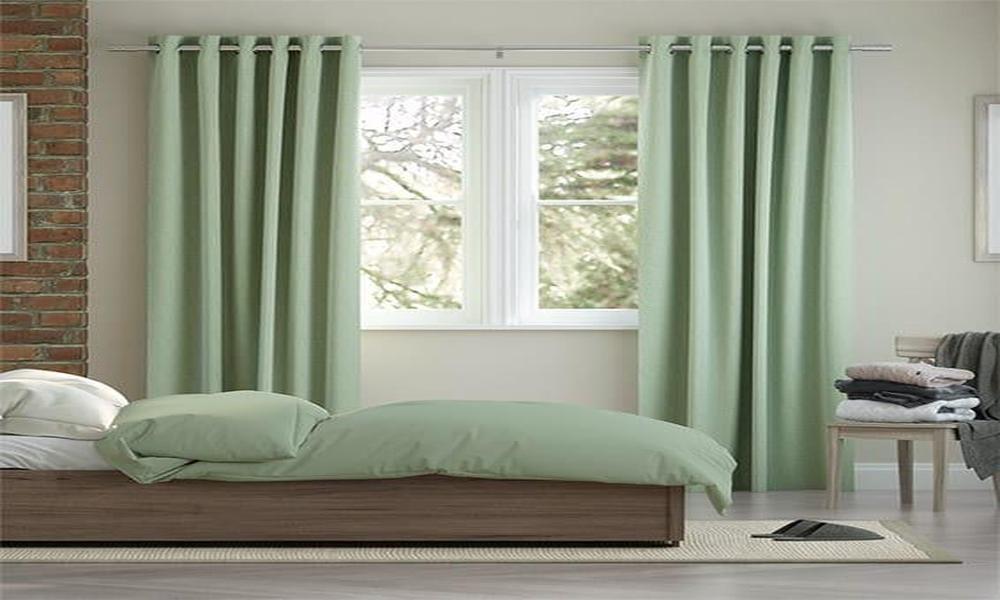
Blackout curtains are a must-have for many reasons. They help to keep out light, noise, and heat, making them perfect for school environments. However, getting children interested in something as mundane as curtains can be challenging. The following are some tips on how to make blackout curtains attractive to school children.

Choose Fun Colors and Designs

One way to make blackout curtains appealing to school children is by choosing fun colors and designs. Children are naturally drawn to bright colors and exciting patterns, so curtains with polka dots, stripes, or animal prints can be a hit. You can also choose curtains that have cartoon characters or superhero themes that children love. When children see curtains that are fun and exciting, they will be more interested in them.

Involve Children in the Process

One way to make blackout curtains attractive to school children is by involving them in the process. Ask children for their input on what colors and designs they prefer. You can also take them to a fabric store and allow them to choose the material they like. When children have a say in what curtains are used, they are more likely to feel invested in them and take better care of them.

Use Curtains for Classroom Decor

It is also a good way to make blackout curtains more appealing to school children by using them as part of classroom decor. Hang the curtains in a way that complements the rest of the classroom, and use them to create a cozy reading corner or a quiet area for students to work. Children are more likely to appreciate something that is part of their everyday environment, and incorporating blackout curtains into the classroom can make them more interesting.

Use Curtains to Control Light and Temperature

One of the biggest benefits of blackout curtains is that they can help control light and temperature in a room. Use this to your advantage when talking to children about the curtains. Explain to them how the curtains work to keep out light and heat, and how this can make the classroom a more comfortable place to learn. When children understand the benefits of something, they are more likely to appreciate it.

Incorporate Curtains into Lessons

Another way to make blackout curtains more appealing to school children is by incorporating them into lessons. For example, you can use the curtains to teach children about the properties of light and how it travels. You can also talk about how different colors absorb or reflect light, and how this affects the temperature of a room. By making the curtains part of a lesson, you can help children see them in a new and interesting way.

With a little creativity, blackout curtains can be an exciting and interesting addition to any classroom.