Archive

November 2022

Browsing

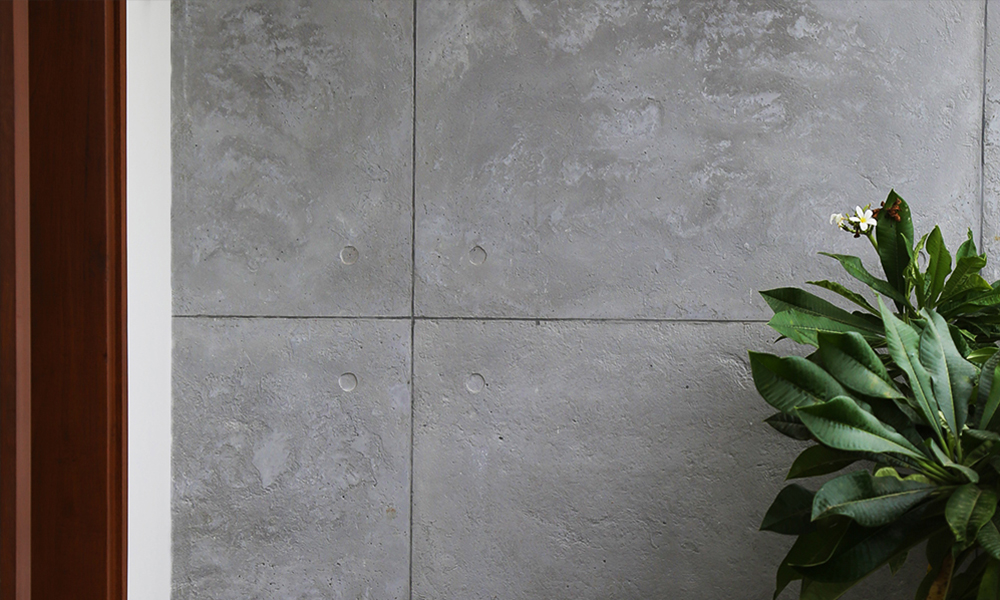
Wall cladding is a wall covering that can be installed on the exterior of a building. It is commonly used in residential, commercial, and industrial applications. Wall cladding is made from a variety of materials, but most commonly it is made from wood or metal. The wood used to make wall cladding may come from trees that have been cut down and processed into lumber, or it may come from trees that have not been harvested at all.

Wall cladding can be installed over existing wall cladding  on an exterior wall using a variety of different methods. There are three main methods for installing wall cladding: horizontal lapping (also called lap siding), vertical lapping (also called siding), and hybrid lapping (also called siding with flashing).

TRICKS ABOUT WALL CLADDING 

Here are some tricks about wall cladding that you should know.

  1. The first thing to keep in mind is that wall cladding is applied over a substrate. In most cases, this is concrete or masonry. However, there are times when you will use other materials as well, such as wood and metal studs.
  2. A good rule of thumb for installing any type of wall cladding is to always measure twice and cut once. This is especially important when installing wall cladding over an existing surface that may be uneven or have existing cracks or stains on it.
  3. You should also use your measurements rather than relying solely on the dimensions given by your supplier when buying your materials for installation purposes.

The trick about wall cladding is that it is not simply a matter of slapping up a sheet of bricks and calling it a day. A lot of work needs to be done before you get to the stage where you can start adding the bricks, and even more work after that. The first thing you need to do is make sure your walls are strong enough to hold the weight of anything you put on them. This means checking that they are structurally sound and have no cracks or weaknesses in them or any other problems that could cause issues later on.

WALL CLADDING STRATEGIES 

Wall cladding can be applied directly to the surface of a building or on top of an existing foundation or structure. In the latter case, it’s typically done so to improve upon the appearance of the building and create new decorative features that blend well with the original design.

Wall cladding is a type of decorative exterior wall covering that can be applied to any type of building. The term refers to the material that is used on the outside of the wall, but it is not limited to exterior walls. It can also refer to interior surfaces such as ceilings and floors. Wall cladding can be made from many different materials, including materials such as PVC (polyvinyl chloride), fiberglass, metal, and stone. Wall cladding can also be combined with other elements such as lighting and heating to create a complete look for your home or business.


There are many benefits to hiring an IGCSE Chinese tutor. Perhaps the most obvious benefit is that a tutor can help students improve their grades in Chinese classes. But there are other, more subtle benefits to hiring a tutor as well. For example, a tutor can help students develop a better understanding of Chinese culture and history. A tutor can help students develop better study habits and time management skills.

When it comes to hiring a tutor, parents and students should take the time to interview several different candidates. This will help ensure that they find the right tutor for their needs. 

Determine why you want to hire a tutor:

Before you start looking for igcse chinese tutor hk, it’s important to first determine why you want to hire one. Once you know why you want to hire a tutor, you can start looking for a tutor who specializes in those areas.

Ask for recommendations:

If you know anyone who has hired a tutor for their child, ask them for recommendations. They may be able to point you in the direction of a great tutor. You can also check with your child’s Chinese teacher. They may be able to recommend a tutor who is familiar with the Chinese curriculum.

Do an online search:

If you’re having trouble finding recommendations, you can always do an online search. Several online tutoring services can connect you with a tutor. You can also check online directories, such as the Yellow Pages, to find tutors in your area.

Interview several tutors:

Once you’ve compiled a list of potential tutors, it’s time to start interviewing them. This is an important step in the process because it will help you find the right tutor for your needs. When you’re interviewing a tutor, be sure to ask about their experience, qualifications, and teaching methods.

Ask for references:

Once you’ve interviewed a few tutors, ask each of them for references. This will give you the chance to talk to other parents or students who have used the tutor’s services. This can be a great way to get an honest opinion about the tutor.

Choose a tutor:

After you’ve interviewed several tutors and checked their references, it’s time to choose a tutor. Be sure to choose a tutor who you feel comfortable with and who you think will be a good fit for your child. Once you’ve chosen a tutor, it’s time to set up a schedule. Be sure to schedule tutoring sessions at a time that is convenient for both you and the tutor.

Be prepared to pay:

Tutors typically charge by the hour. Be sure to ask the tutor how much they charge before you agree to hire them. Also, be sure to ask about any other associated costs, such as materials fees.

Conclusion:

Hiring a tutor can be a great way to help your child improve their grades in Chinese class. But it’s important to take the time to find the right tutor for your needs. Be sure to interview several tutors, ask for references, and choose a tutor who you feel comfortable with.

Any manufacturing company with production lines needs to be concerned about downtime. While an occasional minor breakdown could be inconvenient, major or frequent downtime situations can negatively impact your company’s productivity and reduce your annual earnings.

Some individuals may be a little wary of automation, and it is susceptible to unintended production halts. A single mistake frequently results in the entire production coming to a grinding halt.

However, this does not imply that you have no other choices. There are actions you may take to ensure that your production lines and palletizing procedures never experience downtime.

Top Industries Inc. can design a pallet inverter to suit your process. Let us discuss in this post the different types of pallets used in warehouses.

Different types of pallets

Pallets are available in a variety of shapes and sizes. They could be strengthened with horizontal boards known as stringers or have a certain top and bottom deck. The following are a few different types of pallets to choose from among the most popular pallet types.

  1. Roto moulded pallets

Rotational moulding is used to create roto-moulded pallets. They come in standard sizes, are affordable, and can be strengthened with steel frames to boost their load-bearing capacity. Pallets that have been roto-moulded are employed in sectors where cleanliness is important.

  1. Injection moulded pallets

Flat pallets in conventional sizes and colours are available as injection-moulded pallets. They can be moved with ease using forklifts, loaders, or jacks and can be used to raise things during transit. HDPE injection-moulded pallets are corrosion-free, recyclable, and long-lasting.

  1. Block/deck board pallets

Pallets made of blocks can be raised in all four directions. 12 columns support the upper deck. A lower deck may or may not exist. Block pallets, which can be composed of wood, plastic, or metal, offer exceptional handling efficiency.

  1. Stringer pallets

Over block pallets, stringer pallets provide more stability. Additional reinforcement is provided by two boards that run on opposite ends of the pallet between the top and bottom decks.

However, this limits the number of open sides from which stringer pallets can be raised to two.

There are also four-way stringer pallets that can be picked up by forklifts thanks to a notch cut in the stringer.

  1. Double face pallets

Typically, pallets only have a top deck. Both sides of a double-face pallet, which has a top and bottom deck, can be used. They are powerful and suitable for use in demanding jobs.

  1. Double wing pallets

Double-Wing pallets are ideal for carrying a lot of items at once since the top and bottom decks extend beyond the stringers to provide more surface area.

  1. Solid deck pallets

Typically composed of wood, metal, or plastic, solid deck pallets have a single continuous sheet with no gaps in between. These are practical for moving smaller goods and are simple to clean and move.

Top Industries has been involved in many design activities to supply material-handling equipment for warehouses. Therefore, it will be worth connecting with Twitter to remain updated on various new activities in this company.


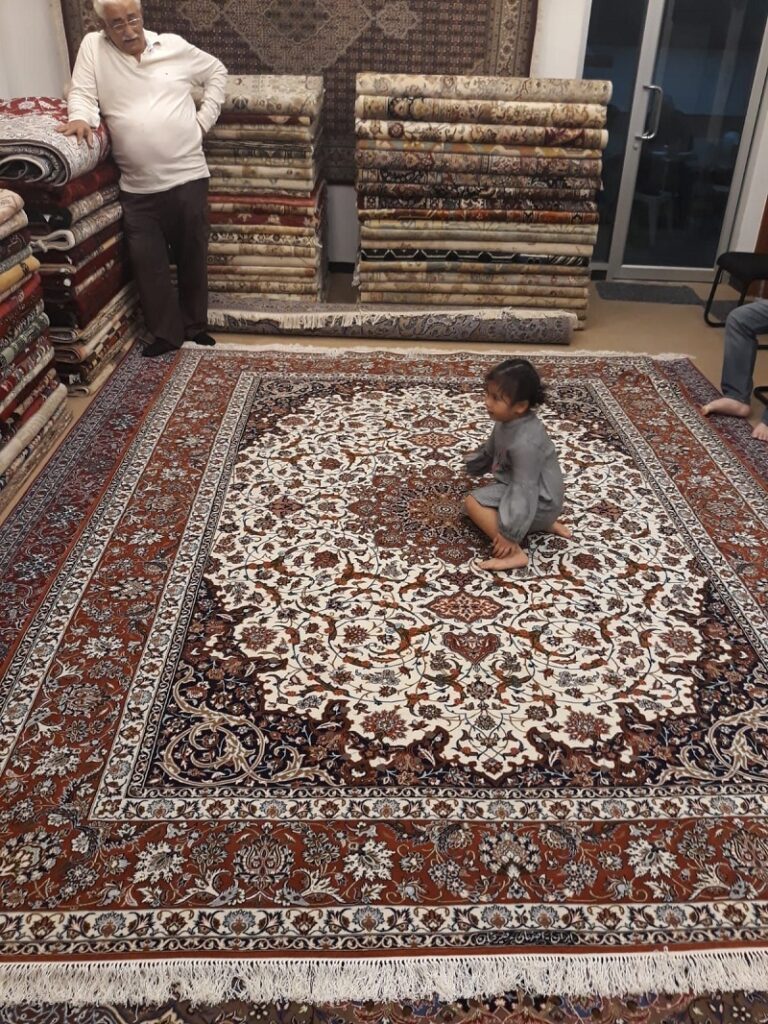
Handmade carpet is a unique product, which has been produced by hand. It was the first type of carpet made in the world. Handmade carpet is a product that has been created by hand, with the help of needle and thread. It can be made from any material that you wish to use for your handmade carpet. Handmade carpets are made from natural fibers such as cotton or wool and other materials such as silk or hemp.

Handmade carpets are also known as handwoven carpets due to their traditional method of production. Handmade carpets are an excellent way to decorate your home. They are made from natural fibers, which means that you can choose the type of rug that best suits your needs. There are many different types of handcrafted rugs available, including Persian rugs, Turkish rugs, and more.

Get to know about making handmade carpets!

Handmade carpets are created by weaving strips of wool or silk into a complex pattern using knots and loops in the weave structure. Each strand of yarn is woven over and under itself several times before reaching the end of the rug. Handmade rugs can be made with any type of fiber or yarn, but they’re most commonly made with natural materials like wool or silk.

Handmade Carpets are made using the following process: 1) The first step involves weaving the strands together using a needle and thread 2) Once woven, you then need to stitch all the pieces together 3) Finally, you will need to dye your handmade carpet 4) After dyeing, you will then need to wash it thoroughly 5) Then, after washing it thoroughly, you can use it for whatever purpose it is intended for.

How to get the right handmade carpet for you?

Handmade carpet is a very nice way to decorate your home. It has a quality that you cannot find in any other type of flooring. Handmade carpets are made with the finest materials and handcrafted by artisans. Handmade carpets have many benefits that make them a popular choice among homeowners and interior designers.

Handmade carpets are available in many different styles, colors, and patterns. They come in a wide range of sizes and prices, making it easy for everyone to find one that suits their style and budget. With so many different options available, it can be difficult deciding which handmade carpet to choose for your home. Here are some tips to help you find the right one for your space: Choose a color that complements your décor and furniture

Whether you want an indoor or outdoor carpet, choose colors that match your décor so they blend harmoniously. For example, if you have an indoor space with high ceilings and lots of natural light coming through windowsills, then dark colors like black or gray would work well with this environment while lighter colors like cream or white would create an excellent appearance and give a glamorous look to the place where we apply these carpet.